coral reef studies blog

Conservation & Science

Respecting Marine Protected Areas While Traveling
Respecting Marine Protected Areas While Traveling

Marine protected areas exist in pockets around the world – some well-marked, others barely visible from the water. I’ve spent enough time around coral reefs, seagrass beds, and coastal reserves to understand that the line between respecting these boundaries and…

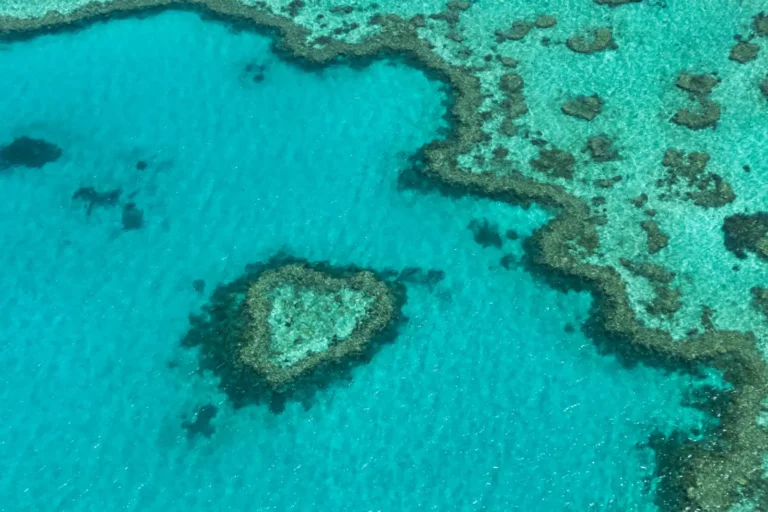
Living on One Tree Island: A Coral Cay Research Station

Living on One Tree Island: A Coral Cay Research Station

One Tree Island sits in the southern Great Barrier Reef, about 60 kilometers northeast of Gladstone on the Queensland coast. It’s a small coral cay, barely a kilometer across, and it functions as something between a field station and an…

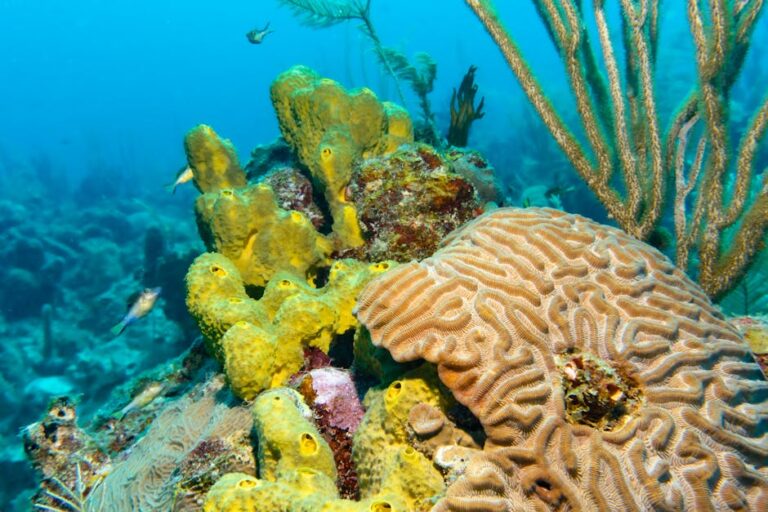
Caribbean Coral Restoration: Growing Hope on Damaged Reefs

Caribbean Coral Restoration: Growing Hope on Damaged Reefs

Caribbean reefs were decimated in the 1980s. Disease, overfishing, and environmental stress reduced living coral cover from 50% to as low as 10% on some reefs. Today, restoration science is actively rebuilding these degraded ecosystems. The Caribbean Coral Crisis In…

Red Sea Heat-Tolerant Corals: Climate Change Lessons

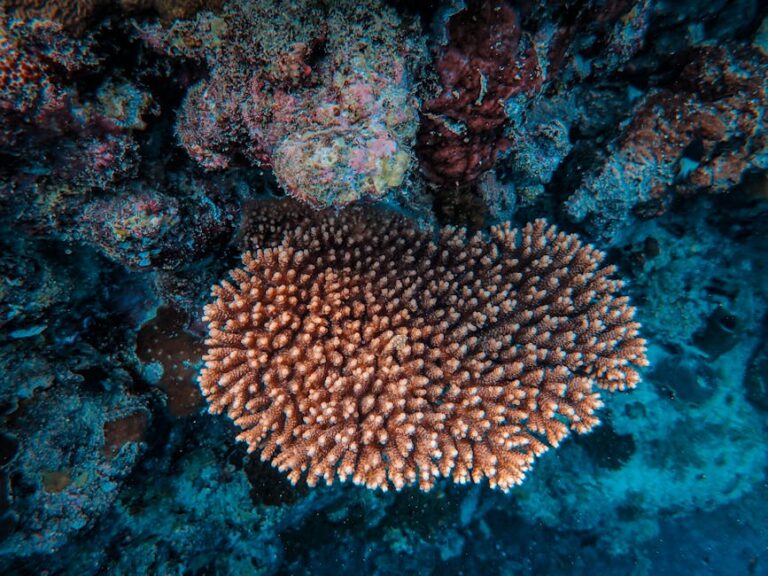
Red Sea Heat-Tolerant Corals: Climate Change Lessons

Red Sea corals survive temperatures that cause bleaching elsewhere. Understanding their heat tolerance mechanisms offers crucial insights for coral conservation in a warming world. Adaptive Heat Tolerance Heat tolerance involves multiple factors: symbiotic algae relationships, cellular heat-shock proteins, antioxidant defenses,…

Indigenous Communities and Reef Conservation in the Coral Triangle

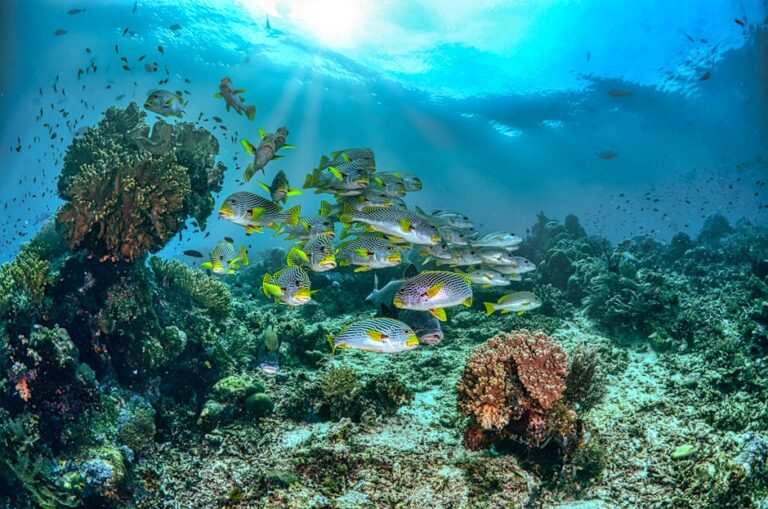
Indigenous Communities and Reef Conservation in the Coral Triangle

The Coral Triangle’s reefs have sustained indigenous populations for millennia. From the Bajau “sea gypsies” to Indonesian coastal communities, traditional knowledge and sustainable practices offer lessons for modern conservation. The Bajau People The Bajau are a seafaring ethnic group inhabiting…