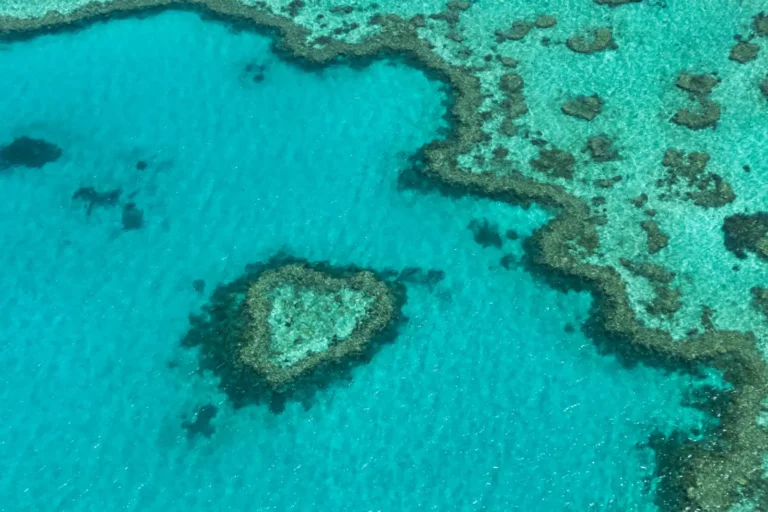
The Great Barrier Reef stretches along Queensland’s coast for over 2,300 kilometers, a sprawling system of coral gardens that once felt almost indestructible. If you’ve spent time diving or snorkeling there, you know the reef has a particular rhythm – the way light filters through the water column in early morning, how certain sections feel densely populated with life while others appear noticeably sparse. That variation isn’t random. It’s the visible consequence of bleaching events, cyclones, and warming ocean temperatures that have damaged significant portions of the reef over the past two decades.
What’s happening now, though, is different from passive observation or concern. Scientists and conservation teams have moved beyond simply monitoring decline. They’re actively growing coral in laboratories and transplanting juvenile colonies back onto degraded reef sections. It’s a hands-on intervention that requires understanding both the biological mechanics of coral cultivation and the practical logistics of working in a marine environment that doesn’t always cooperate with human timelines.
How Coral Nurseries Work
The process begins on land, in facilities where temperature, salinity, and light are controlled with precision. Coral fragments – small pieces collected from healthy colonies – are placed in tanks where they’re encouraged to grow. The environment mimics reef conditions without the unpredictability. Water flow, nutrient levels, and lighting are adjusted to promote growth rates faster than what occurs naturally on the reef.
The advantage is obvious: corals in these nurseries can reach transplant size in months rather than years. A fragment that might take five or six years to become a viable colony in the wild can be ready for replanting in a fraction of that time. The disadvantage is equally clear. These are still living organisms, and even in controlled environments, mortality happens. Disease, unexpected temperature fluctuations, or simple biological stress can kill batches of corals before they ever reach the reef.
The species chosen for cultivation matters significantly. Fast-growing branching corals like Acropora are common choices because they establish quickly and provide shelter for fish and other reef organisms. But different reef sections have different ecological needs, so nurseries cultivate multiple species depending on where transplants are destined.
The Physical Work of Replanting
Once corals are large enough, they’re transported to the reef in containers that keep them submerged and protected. The actual transplanting happens underwater, which means divers must work within their air supply limits and manage the physical demands of securing coral fragments to reef substrate. It’s not complicated in theory – fragments are attached using epoxy, cement, or cable ties – but executing it at depth, managing buoyancy, and ensuring placement is correct requires skill and experience.
The timing of transplanting operations depends heavily on weather and sea conditions. The reef’s accessibility changes dramatically with seasons. During cyclone season, which runs from November through April, rough seas and unpredictable swells make diving operations difficult or impossible. The best window for intensive restoration work is typically May through October, when conditions are more stable and visibility is clearer. Even then, a single day of poor weather can delay operations by weeks.
Divers working on restoration projects often describe the work as methodical and somewhat meditative, but also physically taxing. You’re managing equipment, monitoring air consumption, positioning coral fragments at precise angles, and ensuring they’re secure enough to survive surge and movement. A single dive might involve planting dozens of fragments, which means repetitive motion in a weightless environment. Fatigue is real, and so is the awareness that mistakes made at depth are harder to correct than mistakes made in a lab.
What Happens After Transplanting
Survival rates for transplanted corals vary. In ideal conditions, with proper placement and favorable environmental factors, transplants can achieve 70 to 80 percent survival in the first year. But the reef doesn’t offer ideal conditions consistently. Predation, algae competition, disease, and temperature stress all take their toll. Some transplanted corals thrive and integrate into the reef ecosystem. Others don’t establish and gradually decline.
The real test comes after the first year. A coral that survives initial transplant shock still needs to grow, reproduce, and become a functioning part of the reef community. This is where patience becomes essential. Restoration isn’t a quick fix. A single transplanted coral might take another five to ten years to reach the size and structural complexity of a mature colony. Scale that across thousands or tens of thousands of transplants, and you’re looking at restoration efforts that span decades.
Monitoring transplanted corals happens regularly. Divers return to marked sections to photograph, measure, and assess health. This data feeds back into refinement of techniques. Teams learn which species perform best in particular reef zones, which attachment methods are most durable, and which environmental factors most strongly influence survival. It’s iterative work, not a one-time intervention.
The Broader Reality
Coral restoration on the Great Barrier Reef is meaningful work, and the results are measurable. Sections of reef that were bleached and degraded are being actively restored. Fish populations return to areas where corals have been replanted. The ecosystem begins to recover some of its former complexity and productivity.
But restoration also exists within a larger context that restoration alone cannot solve. The corals being grown in nurseries and transplanted back to the reef are doing so in an ocean that’s warming, becoming more acidic, and experiencing increasingly severe disturbance events. A transplanted coral might thrive for years, only to be killed by another bleaching event triggered by ocean temperatures that exceed the species’ thermal tolerance. The restoration work is genuine and necessary, but it’s also a form of active management in an ecosystem that’s fundamentally stressed by climate-scale changes.
If you visit the reef and encounter areas where restoration work is happening, you’ll notice the markers and sometimes the obvious patches of newer coral growth. The water clarity, the density of fish life, and the overall feel of those sections often differs from heavily degraded areas nearby. It’s a tangible reminder that human intervention can make a difference, even in systems as vast and complex as the Great Barrier Reef. The work continues because the alternative – allowing the reef to degrade further without intervention – is unacceptable to the people who understand what’s at stake.