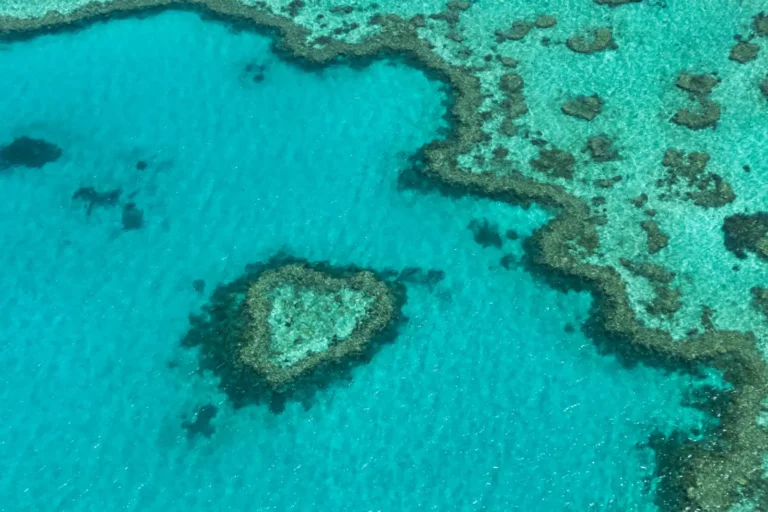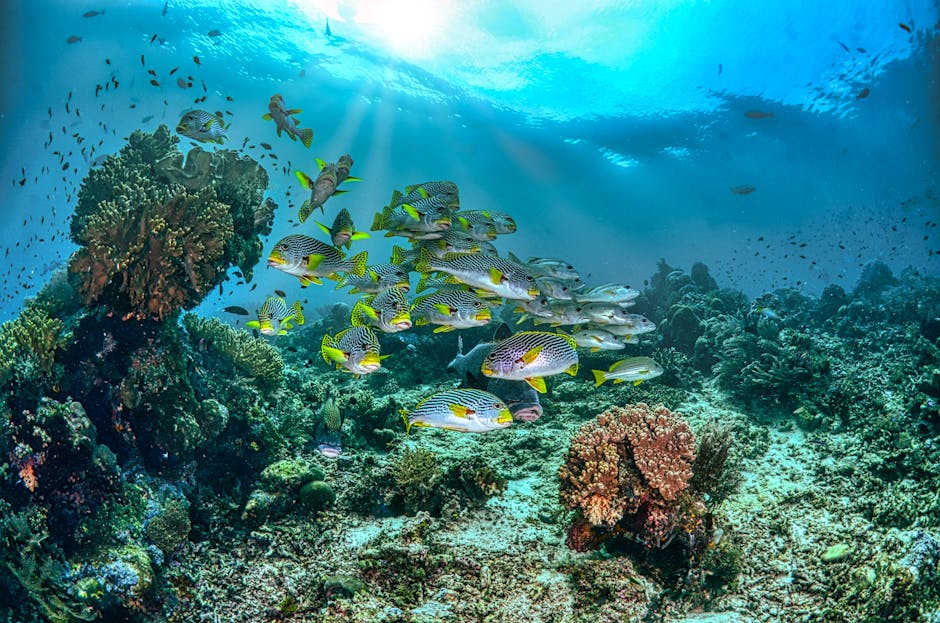
The Coral Triangle’s reefs have sustained indigenous populations for millennia. From the Bajau “sea gypsies” to Indonesian coastal communities, traditional knowledge and sustainable practices offer lessons for modern conservation.
The Bajau People
The Bajau are a seafaring ethnic group inhabiting coastal regions across Indonesia, Malaysia, and the Philippines. Historically, they relied exclusively on freediving and traditional knowledge to harvest seafood. Their deep understanding of reef ecology, seasonal patterns, and sustainable harvesting shaped reef conservation practices centuries before modern marine protection existed.
Traditional Ecological Knowledge
Indigenous communities possess detailed knowledge of seasonal fish migrations and spawning aggregations, sustainable harvest levels for various species, identifying overfished areas requiring rest periods, medicinal and cultural uses of reef organisms, and recognizing early signs of reef degradation.
Conservation Conflicts
Industrial fishing operations and tourism development often conflict with indigenous subsistence practices. Blast fishing decimates reefs that indigenous communities depend on. Marine protected areas, while ecologically necessary, sometimes restrict traditional harvesting rights.