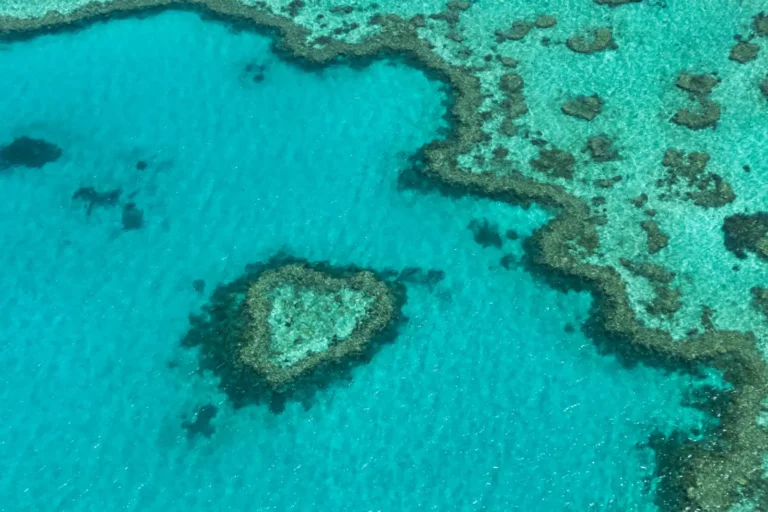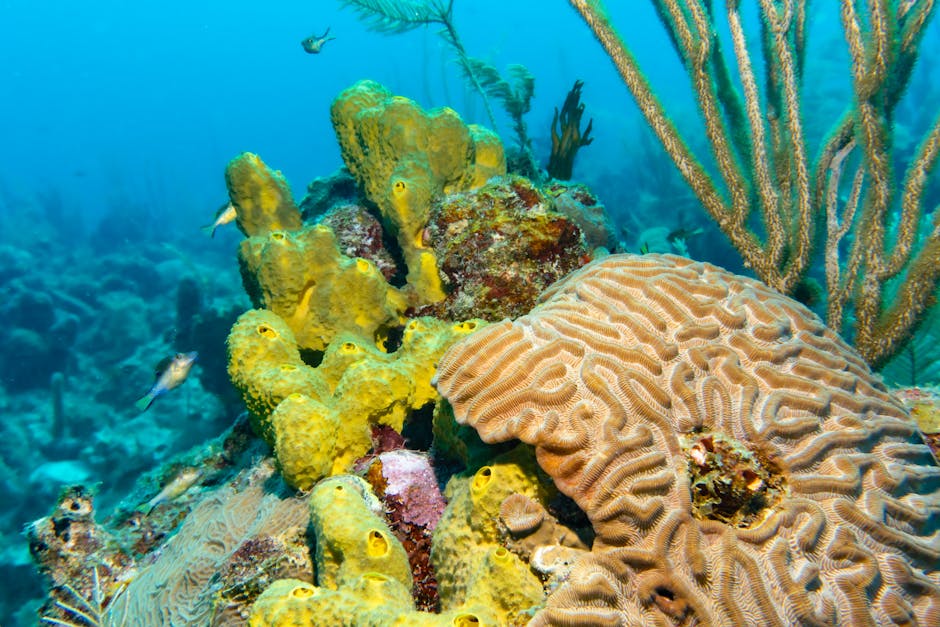
Caribbean reefs were decimated in the 1980s. Disease, overfishing, and environmental stress reduced living coral cover from 50% to as low as 10% on some reefs. Today, restoration science is actively rebuilding these degraded ecosystems.
The Caribbean Coral Crisis
In the 1980s, a sea urchin disease eliminated most long-spined sea urchins that graze algae and maintain reef balance. Simultaneously, a pathogenic bacterium called white band disease devastated elkhorn and staghorn corals. The combination triggered ecosystem collapse.
Restoration Approaches
Coral Nurseries: Scientists cultivate young corals in underwater nurseries, protecting them during vulnerable early stages. Fragmenting healthy colonies and allowing growth in controlled conditions accelerates restoration.
Outplanting: Once corals reach transplantable size, divers attach them to reef rubble. Success rates vary but can exceed 70% under optimal conditions.
Restoration Genetics: Scientists are exploring whether heat-tolerant coral lineages can be selectively propagated for greater climate resilience.