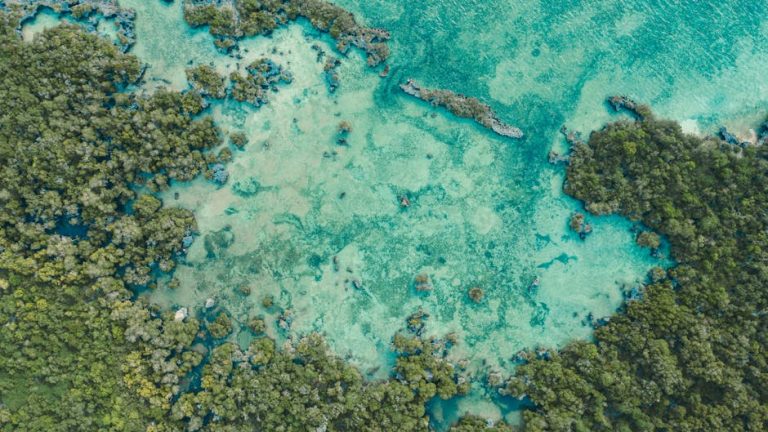
Lady Elliot Island sits at the southern end of the Great Barrier Reef, roughly 46 kilometers northeast of the Queensland coast. It’s small enough that you can walk its perimeter in under an hour, yet isolated enough that the ocean dominates every view. Most people arrive by small plane from the mainland, a 30-minute flight that immediately signals you’re entering a different kind of space – one where the reef, not the resort, is the main event.
The island itself is a coral cay, low and windswept, with minimal infrastructure. There’s accommodation, a restaurant, and dive operations, but nothing feels polished or designed for comfort. The vegetation is sparse. The beaches are narrow. What draws people here isn’t the island itself but what lives in the water immediately offshore. Manta rays, sea turtles, reef sharks, and dense coral gardens exist within wading distance of the shore. This proximity is what makes Lady Elliot feel different from other reef destinations.
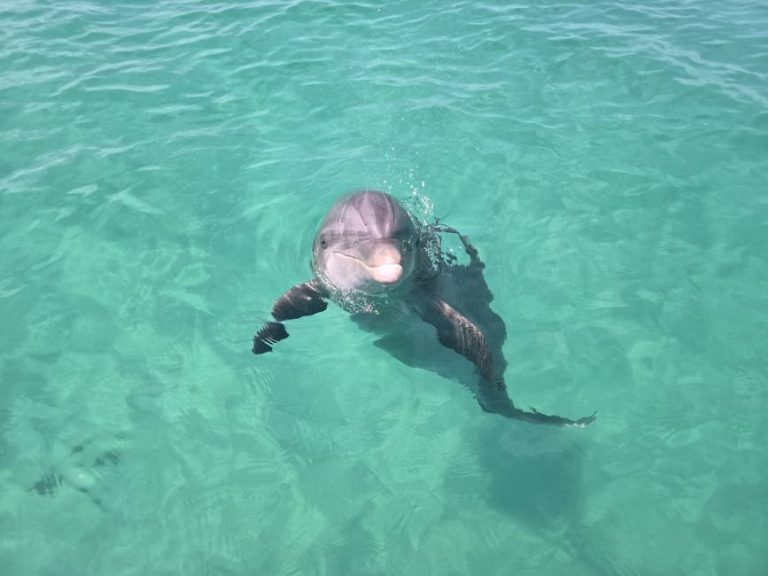
The manta rays typically arrive between November and March, though timing varies. During peak season, you might encounter them within minutes of entering the water. They’re enormous – some with wingspans exceeding four meters – yet they move with an almost graceful indifference to human presence. Watching one glide past is disorienting at first. Your brain registers the size and the alien geometry of the creature, and there’s a moment where instinct and reason compete. The rays are harmless, but that knowledge doesn’t fully settle until you’ve seen one up close.
Water conditions and seasonal patterns
The water temperature and clarity change throughout the year, and this affects everything about the experience. From June through September, the water is cooler – around 21 to 23 degrees Celsius – and visibility can be exceptional, sometimes exceeding 30 meters. Winter is also when fewer tourists visit, which means the reef feels less crowded. However, the cooler water demands a thicker wetsuit, and some marine life is less active during these months.
Summer months bring warmer water and higher rainfall, which can reduce visibility. The trade-off is that marine activity increases. Manta rays are more abundant. Turtles are more active. The water feels alive in a way that winter, for all its clarity, sometimes doesn’t. Choosing when to visit depends on whether you prioritize seeing the reef in pristine visibility or encountering marine life at its most active.
Check real traveller reviews, prices, availability, departure points, and flexible booking options in one place.
The tides matter more than most visitors anticipate. Low tide exposes shallow coral gardens and makes wading easier, but it also concentrates fish and rays into deeper channels. High tide spreads them out. Local guides understand these rhythms instinctively, but if you’re exploring independently, you’ll notice how the reef transforms between tidal states. The same spot can feel like a crowded feeding ground at one tide and a sparse, quiet garden at another.
Turtle nesting and the rhythm of the island
Green sea turtles nest on Lady Elliot’s beaches between October and February. During peak nesting season, you might see multiple turtles hauling ashore in a single evening. The experience is oddly intimate – watching a creature the size of a person laboriously drag itself up the beach, dig a nest, lay eggs, and return to the ocean. It’s repetitive work for the turtle and requires patience from the observer, but there’s something grounding about witnessing it.
The island imposes strict protocols around nesting turtles. You can’t approach nests. You can’t use flashlights. You can’t disturb the beach after dark. These rules exist because turtle populations are fragile, and human interference, even well-intentioned, causes real harm. Following them means accepting that you’ll see turtles from a distance, sometimes obscured by darkness. It’s a reminder that this island isn’t designed for your convenience.
Hatchlings emerge in January and February, and if you’re there during this window, you might witness the chaotic scramble of thousands of tiny turtles racing toward the ocean. It’s not a guaranteed sighting – hatchlings emerge at night, and timing is unpredictable – but the possibility adds a layer of anticipation to evening walks.
Diving and snorkeling realities
Most people experience Lady Elliot through snorkeling rather than diving. The reef is accessible from the beach, and you can see significant marine life without certification. However, snorkeling here requires comfort in open water and the ability to manage currents. The reef edge drops steeply, and currents can be strong. First-time snorkelers sometimes underestimate this and find themselves further from shore than intended.
Diving operations on the island run daily trips to deeper sections of the reef. These dives are typically relaxed, with guides who know the site intimately. You’ll encounter larger pelagic fish, more complex coral formations, and occasionally rays and sharks at depth. The diving isn’t technically demanding, but the logistics – small boats, exposed anchorages, variable conditions – mean that comfort with basic seamanship helps.
One detail that surprises visitors: the reef can feel crowded. On peak days, dozens of snorkelers and divers occupy the same stretch of water. The marine life doesn’t disappear, but the experience becomes less immersive. Early morning swims, before the day boats arrive, feel noticeably different. The water is quieter. Encounters feel less staged. If solitude matters to you, timing your water time carefully makes a real difference.
The island’s limitations and logistics
Lady Elliot isn’t a destination for people seeking comfort or variety. The accommodation is functional. The food is adequate but repetitive. There’s no nightlife, no shopping, no entertainment beyond the reef. If you’re someone who needs constant activity or amenities, you’ll find the island frustrating.
The small plane flights are weather-dependent. Cyclone season runs from November to April, and storms can strand you on the island or prevent your arrival. This unpredictability is part of the deal. You accept it when you book. Most people adapt quickly, but it’s worth acknowledging that you’re not entirely in control of your schedule once you commit to the island.
Getting to the island requires planning. You fly from the mainland, typically from Hervey Bay or Brisbane. The flight itself is an experience – small aircraft, low altitude, views of the reef below – but it’s not relaxing. You’re aware of the distance between you and solid ground. Once you land, you’re committed for at least 24 hours. There’s no casual day trip option.
The cost is significant. Flights, accommodation, and meals add up quickly. Day trips from the mainland are cheaper but miss the point entirely. The value of Lady Elliot lies in spending time on the island, allowing yourself to settle into its rhythm, and returning to the water multiple times. A single day visit feels rushed and incomplete.
What remains after visiting Lady Elliot is a specific kind of memory – not of luxury or comfort, but of proximity to wild marine life and the understated beauty of a functioning coral reef ecosystem. The manta rays and turtles don’t perform for visitors. They exist in their own patterns, indifferent to your presence. You’re simply allowed to watch. That simplicity, and the honesty it requires from the visitor, is what distinguishes the island from more polished reef destinations. You come for the wildlife, accept the limitations, and leave with a clearer sense of what the reef actually is rather than what marketing suggests it should be.
Compare top-rated tours, prices, availability, and real traveller reviews before booking. See what’s actually available for your dates and departure location.
Compare tours and check availability