Hamilton Island sits in the Whitsunday Islands, about 900 kilometers north of Brisbane along Australia’s Queensland coast. It’s positioned as a convenient gateway to the Great Barrier Reef, and the marketing certainly emphasizes this. The island has a functioning airport, resort infrastructure, and tour operators who promise easy reef access. What you actually experience when you arrive is something more complicated than the brochures suggest.
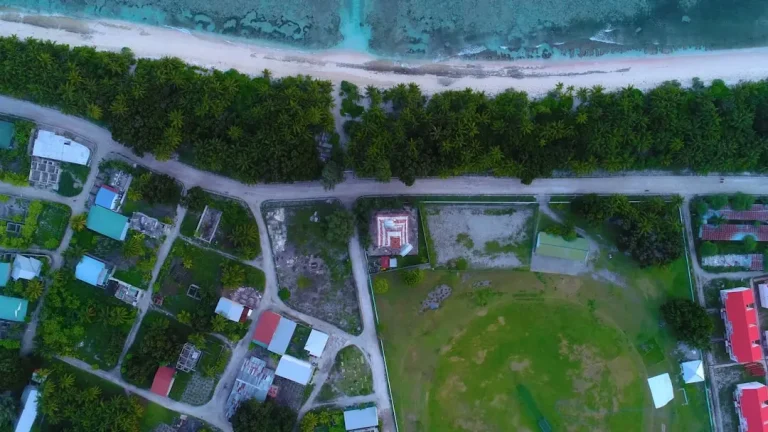
The island itself is small and developed. Most of the landmass is taken up by the resort, marina, and associated tourism infrastructure. There’s no real town center or local community feel. It’s a purpose-built destination, which means everything is designed around extracting money from visitors. Accommodation ranges from budget rooms to luxury villas, but even the “budget” options carry premium pricing simply because of the island location. A basic hotel room will run you $150 – 250 per night, often for dated facilities that wouldn’t command those rates on the mainland.
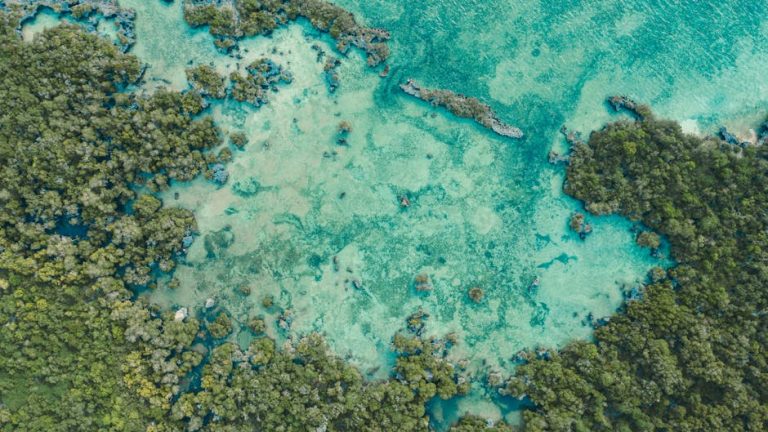
The reef access question is where expectations and reality diverge most sharply. Yes, you can reach coral from Hamilton Island. No, it’s not the straightforward experience the marketing implies. Most reef tours operate from the marina and take 45 minutes to over an hour to reach decent coral. The closest reefs are damaged and heavily trafficked. The better reefs require longer boat rides, which means higher costs and more time spent on the water than actually in it.
What the reef experience actually looks like
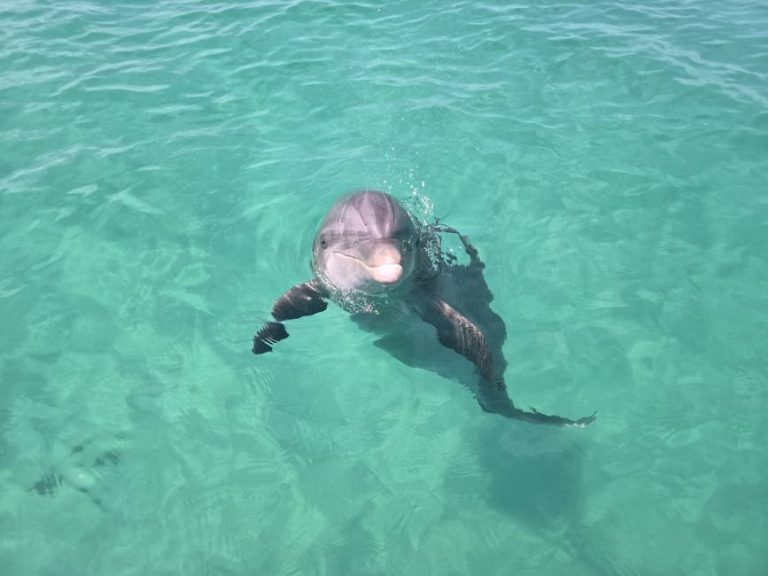
I spent a full day on a reef tour from Hamilton Island during the dry season, when conditions were supposed to be optimal. The boat left early morning with around 40 other passengers. This is the standard group size. You’re not getting an intimate reef experience. The boat follows a set route to a mooring point, and everyone enters the water within a small designated area. The reef here is alive but heavily used. You see coral, fish, and the occasional turtle, but the environment feels managed rather than wild.
Water clarity depends heavily on season and recent weather. During the dry season (May to October), visibility can reach 20 – 30 meters on good days. In the wet season, it drops significantly. I was there in July, and visibility was solid, but the water temperature required a wetsuit. Many casual snorkelers underestimate how cold the water feels, even in Australian tropical regions.
The tour itself follows a predictable rhythm. You get a safety briefing, enter the water for about two hours with a guide, return to the boat for lunch, then spend another hour in the water. The crew is professional and experienced. They know where fish congregate and can point out details you’d miss alone. But you’re also moving as a group, and the guide’s pace doesn’t always match individual comfort levels. If you’re a slow swimmer or anxious in open water, the experience feels rushed.
The pricing reality
A full-day reef tour from Hamilton Island costs between $180 and $250 per person, depending on the operator and whether you’re staying at the resort. This includes boat transport, guide, and basic equipment. Lunch is usually included but is cafeteria-style and forgettable. If you want underwater photography services or premium snorkeling gear, add another $50 – 100.
Compare this to reef tours from the mainland. From Cairns or Port Douglas, you can join comparable tours for $130 – 180, sometimes less. The difference is that you’re driving to a port rather than flying to an island, but the actual reef experience is often identical or better because mainland operators access different reef sections and run smaller groups.
Accommodation on Hamilton Island is the real cost driver. If you’re staying at the resort, you’re paying a premium for convenience. If you’re staying off-island and taking a ferry, you’re adding transport costs and time. The ferry from Shute Harbour on the mainland takes about 50 minutes and costs around $80 return per person. When you factor in accommodation elsewhere, transport, and tours, Hamilton Island’s supposed convenience advantage shrinks considerably.
Crowds and atmosphere
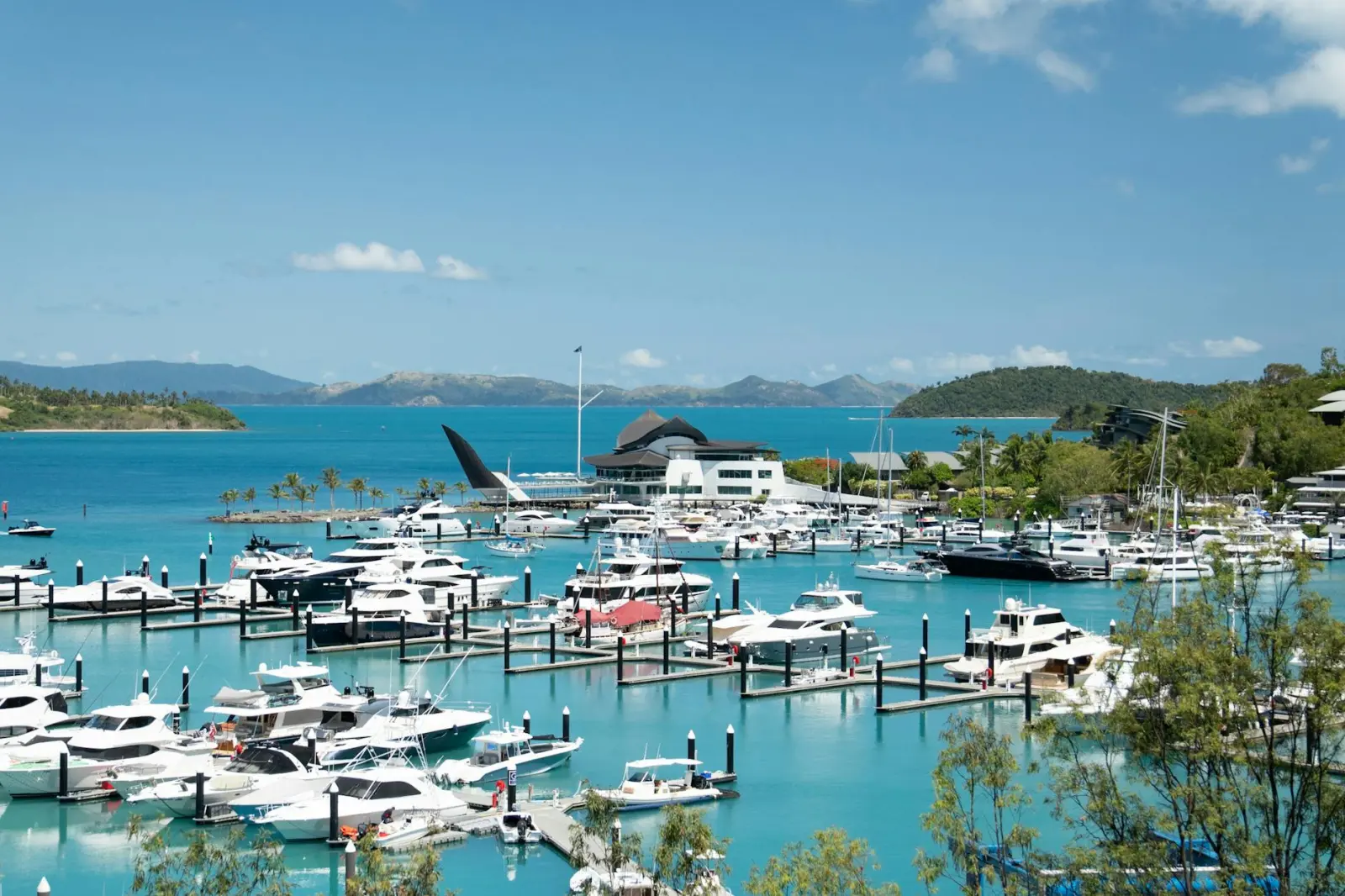
The island attracts a specific demographic: families with young children, couples on package holidays, and older travelers who value comfort and accessibility over adventure. During school holidays and peak season (June to August), the island is genuinely crowded. The marina feels like a theme park. Restaurants have long waits. The beach areas are packed with sunbathers and swimmers.
Outside peak season, the atmosphere changes noticeably. In April or September, you’ll encounter far fewer people. The island feels more relaxed, though some facilities operate on reduced hours. The reef tours still run, but boats are smaller and the experience feels less industrial.
Early morning is the best time to move around the island. The marina is quiet, the beach is nearly empty, and you can actually see what the place looks like without thousands of other visitors. By 10 a.m., the crowds emerge. Most reef tours depart early, so you’ll be on the water during peak heat, which is uncomfortable if you’re not used to full sun exposure on a boat.
What makes sense and what doesn’t
Hamilton Island works well if you want minimal friction and maximum comfort. The airport connection means you can fly in and be on a reef tour the next morning without driving or navigating unfamiliar places. If you’re traveling with elderly relatives or very young children, the self-contained nature of the island removes logistical headaches. The resort handles everything, which appeals to people who don’t want to research and plan.
It doesn’t work well if you’re budget-conscious or seeking an authentic reef experience. The premium pricing doesn’t correlate with superior reef access. The crowds dilute the experience. The island itself has no character beyond tourism infrastructure. There are no local restaurants, no genuine community, no sense of place beyond “resort destination.”
If you’re interested in serious reef exploration, you’re better served by mainland bases. Cairns, Port Douglas, and the smaller town of Mission Beach offer cheaper accommodation, more diverse tour operators, and access to different reef sections. The Whitsunday Islands themselves are worth visiting, but Hamilton Island is the expensive, crowded option. Nearby islands like Daydream or South Molle offer similar experiences at lower cost, though they have their own trade-offs.
The honest assessment is that Hamilton Island functions as a convenient gateway, not a remarkable one. It delivers what it promises: accessible reef access, comfortable accommodation, and minimal hassle. What it doesn’t deliver is value. You pay significantly more for the same reef experience you could have elsewhere, and you sacrifice the atmosphere and character that make other reef destinations memorable. It’s a tourist trap in the sense that it’s designed to extract maximum spending from visitors who prioritize convenience over authenticity or budget. Whether that’s a problem depends entirely on what you’re willing to spend and what you’re actually looking for.