There’s a particular moment each year when the Great Barrier Reef transforms into something most people never witness. It happens after sunset, triggered by water temperature, lunar cycles, and tidal patterns that align only once annually. For a few nights in late spring, the reef releases billions of gametes simultaneously – a synchronized reproductive event so massive it resembles an underwater blizzard. Divers who’ve been in the water during spawning describe it as surreal: particles drifting upward through the water column like snow falling in reverse, the visibility dropping to a few meters, the entire reef seeming to exhale at once.
For decades, marine scientists didn’t fully understand this phenomenon. Coral reproduction remained largely mysterious until the 1980s, when researchers on the reef finally documented what was actually happening. The discovery came almost by accident – divers and researchers noticing the water clouding over on specific nights, collecting samples, and realizing they were observing mass spawning across multiple coral species. Before this, coral reproduction was assumed to happen gradually, individually, and invisibly. The idea that hundreds of species could synchronize their reproduction within a narrow window seemed improbable. But the evidence was undeniable, and the discovery fundamentally changed how scientists understood reef ecosystems and coral resilience.
When Spawning Actually Occurs
The event typically happens between late October and early December, though timing varies slightly depending on water temperature and lunar phase. Most spawning occurs four to six days after the full moon, when water temperatures peak. If you’re planning to be on the reef during this window, understand that spawning doesn’t happen on a predictable date – marine biologists make educated guesses based on temperature data and lunar calendars, but exact timing can shift by a week or more.
The actual event lasts only a few hours after dark. Divers who want to witness it need to be in the water at dusk, which means coordinating with dive operators who specifically plan night dives around the predicted spawning window. Not all operators offer this, and it requires advance notice. The logistics are more involved than a standard reef dive – you’re dealing with darkness, reduced visibility, and the need to be positioned correctly before the event begins. Most spawning dives depart from Cairns or Port Douglas, with operators like Silversonic or Tusa Dive offering specialized trips during the season.
What Actually Happens Underwater
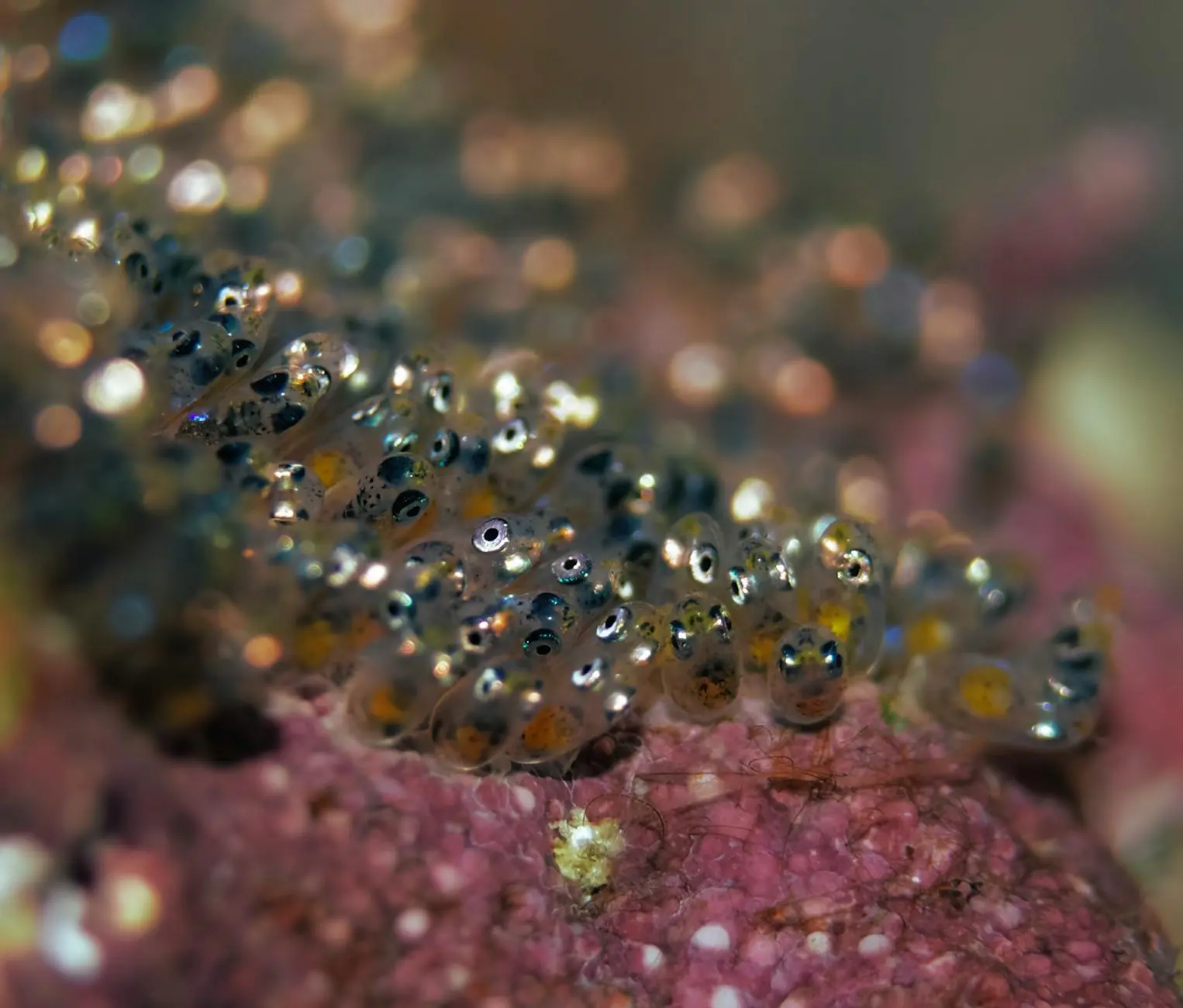
Watching coral spawn is less visually dramatic than the word “blizzard” suggests, though the scale is genuinely overwhelming. The water doesn’t suddenly turn white. Instead, it gradually fills with tiny particles – egg and sperm bundles released from polyps across the reef. Visibility decreases gradually from 20 meters to perhaps 5 meters or less. The particles drift upward, creating a gentle, constant flow. Some divers find it meditative; others find it disorienting because the familiar reef landscape becomes obscured.
The experience varies depending on where you are on the reef and which coral species are spawning. Branching corals like acropora release their gametes in visible bursts. Massive corals spawn more subtly. If you’re positioned near a particularly active coral head, you might see distinct clouds of particles. In other areas, the effect is more diffuse. The water temperature feels warm, sometimes uncomfortably so if you’re wearing a thick wetsuit. The darkness is absolute beyond your dive light’s beam. Time becomes strange – a dive that lasts 45 minutes can feel both longer and shorter than that.
Why This Matters Beyond the Spectacle
The discovery of synchronized spawning revealed something crucial about how reefs maintain themselves. When corals spawn simultaneously, the chances of successful fertilization increase dramatically. Gametes meet in the water column rather than relying on random encounters. This synchronization also means that larval recruitment happens in pulses – new corals settle on the reef in cohorts rather than trickling in year-round. This pattern affects everything from reef recovery to disease resistance to genetic diversity.
For reef science, spawning events became a window into understanding coral health and stress. Stressed corals sometimes fail to spawn or spawn at different times than healthy colonies. Climate change has already begun affecting spawning timing and success rates. Warmer water temperatures can push spawning earlier or later, potentially misaligning it with the lunar cycle or food availability for larvae. Some reefs have experienced partial or failed spawning events during years of elevated heat stress. This is why researchers monitor spawning closely – it’s become an indicator of reef condition and resilience.
The Reality of Witnessing It
If you do manage to time a visit during spawning season and book a specialized dive, manage your expectations carefully. You’re not guaranteed to see spawning. Timing predictions can be off by several days. Weather can prevent diving. Some years spawning is more robust than others. The visibility reduction can be frustrating if you’re hoping for clear underwater photography. The experience is genuinely unique, but it’s also unglamorous in ways that promotional materials don’t emphasize.
The broader reef experience during spawning season is worth considering separately from the spawning event itself. Late spring on the reef means warm water, generally good weather, and moderate crowds compared to winter months. The reef itself is healthy and colorful. You can see the same dive sites you’d visit any other time, just with the added possibility of witnessing spawning on specific nights. Many divers find the regular reef experience more rewarding than the spawning event itself – the spawning is the rare bonus, not the main draw.
Getting to the reef requires flying into Cairns or the Whitsundays, then arranging boat transport. Most spawning dives depart from Cairns, which means 1.5 to 2 hours on the water each way. The dive itself is a night dive, which requires additional certification and comfort with darkness underwater. Costs run higher than standard reef dives – typically $300 to $500 AUD per person for a specialized spawning trip. This isn’t casual snorkeling. It’s a deliberate, logistically complex undertaking for people specifically interested in marine biology and rare natural events.
The scientific value of spawning events has made them important for reef monitoring and conservation efforts. Researchers use spawning nights to collect data on coral health, genetic diversity, and reproductive success. Some operators now coordinate with scientists, allowing divers to participate in data collection. This creates a meaningful connection between tourism and conservation – you’re not just observing a phenomenon, you’re contributing to the understanding of it.
The underwater blizzard that changed how scientists understand coral reefs remains one of nature’s genuinely remarkable events. It’s not the most accessible natural phenomenon to witness, and it doesn’t offer the visual drama that photographs sometimes suggest. But for anyone interested in how reefs actually function, how marine life coordinates across vast scales, and how much we still discover about ecosystems we thought we understood, it’s worth the effort to experience it firsthand.