Nurse sharks in the Maldives exist in a strange middle ground between the feared and the mundane. They’re not the apex predators that dominate reef mythology, but they’re also not the docile creatures some resorts imply. Spending time in the water with them reveals something closer to indifference – they’re present, they move through the reef with purpose, and they largely ignore you unless you’re actively in their path or they sense food.
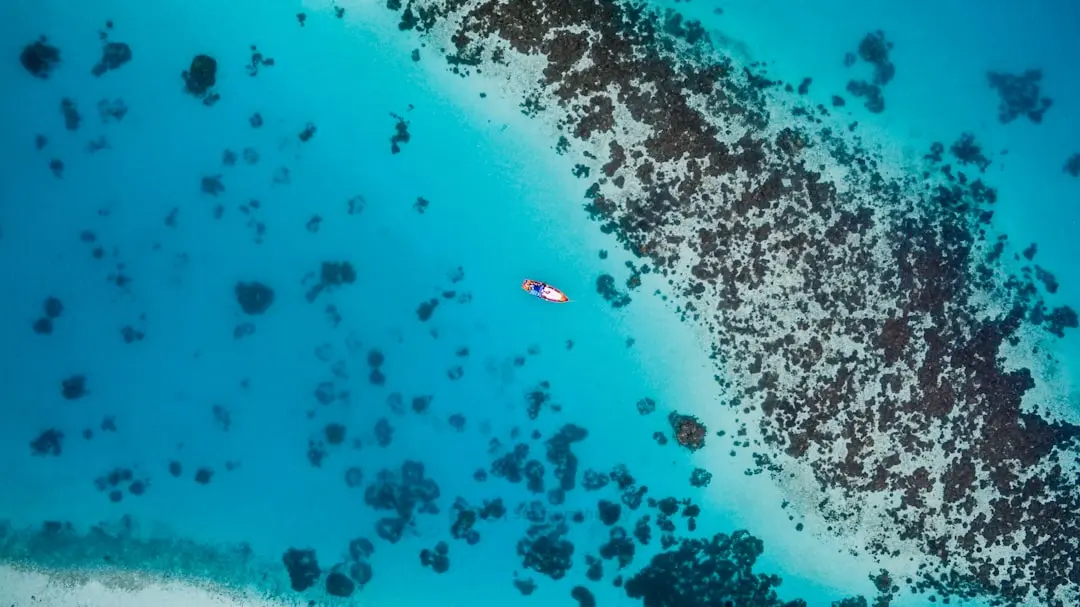
The Maldives sits in the Indian Ocean roughly 400 kilometers southwest of India, a chain of coral atolls that function as a working marine ecosystem rather than a theme park. Nurse sharks are endemic to these waters and occupy a particular niche in the reef structure. They’re bottom feeders, spending much of their time cruising sandy patches between coral heads, searching for crustaceans and small fish. This behavior is important to understand before you enter the water, because it shapes where you’ll encounter them and how they’ll interact with you.
The reality of snorkeling with nurse sharks differs noticeably from what resort marketing suggests. They’re not aggressive, but they’re not curious about humans either. A nurse shark passing within a few meters of you will continue on its trajectory without acknowledgment. They’re built low to the ground – their bodies are flattened and muscular – and they move with a steady, unhurried rhythm. Watching one hunt is less dramatic than watching a reef fish dart between corals. It’s methodical. Efficient. Boring, even, if you’re expecting something cinematic.
When and Where You’ll Actually See Them
Nurse sharks are most active during early morning hours and late afternoon, which coincides with the times when snorkeling boats are least crowded. If you’re staying at a resort and joining a guided snorkel trip departing at 9 AM, you’re already working against the rhythm of the reef. The sharks are still around, certainly, but they’re less active. By midday, when the sun is directly overhead and the water temperature peaks, they tend to retreat to deeper channels or the shadowed side of coral formations.
The best encounters happen in the first hour after sunrise. The water is cooler, the light is softer, and the reef feels less like a tourist attraction and more like an actual place where animals live. You’ll notice the difference immediately – fewer boats, calmer water, and a different quality of silence. The sharks move with more purpose early in the day. You might see three or four in a single snorkel session, moving through the sandy areas with that characteristic low-slung gait.
Location matters as much as timing. Nurse sharks favor the house reefs adjacent to the deeper channels between atolls. These are the areas where tidal flow brings food and where the reef transitions from shallow coral gardens to open water. Many resorts position their snorkeling areas along these exact zones, which is why you’ll see them mentioned in dive briefings. But the sharks aren’t confined to marked snorkeling areas. They move freely. You might encounter one while drifting over a coral head or spot one resting in a sandy depression thirty meters from where the guide said to look.
The Seasonal Pattern and Water Conditions
The Maldives has two distinct seasons that affect marine life visibility and behavior. The dry season, roughly November through March, brings clearer water and calmer conditions. Visibility often exceeds twenty meters. The wet season, May through September, brings rougher seas and reduced clarity, though the water is still swimmable and sharks are still present. The difference is atmospheric more than anything else. In the dry season, you feel like you’re swimming in an aquarium. In the wet season, you’re swimming in the ocean.
Nurse shark activity doesn’t change dramatically between seasons, but your ability to see them does. In the dry season, you might spot a shark from the surface before entering the water. In the wet season, you might not see it until you’re already underwater and it’s closer than you expected. This changes the psychological experience of the encounter. There’s more immediacy. Less time to prepare yourself mentally for something moving through the water near you.
Water temperature in the Maldives stays between 26 and 30 degrees Celsius year-round. This means you’re not fighting thermal shock or struggling to stay warm. You can stay in the water for extended periods without discomfort. This is relevant because patience matters when observing sharks. If you’re cold and tired, you’ll cut your snorkel short and miss the animals that appear later in the session. In the Maldives, physical comfort is rarely the limiting factor.
What the Experience Actually Feels Like
The first time you see a nurse shark underwater, your body reacts before your mind catches up. There’s a spike of adrenaline, a sudden awareness that you’re sharing space with a predator. This is normal and doesn’t indicate danger. What you’re experiencing is the primal recognition that you’re not in a controlled environment. The shark doesn’t care about this. It continues whatever it was doing – hunting, moving, resting – without acknowledgment of your presence.
Over multiple encounters, this reaction fades. By your third or fourth snorkel session, seeing a nurse shark becomes almost routine. You notice details you missed before. The texture of their skin. The way their barbels – those whisker-like sensory organs – move independently as they search the sand. The slight coloration variation between individuals. Some are darker, almost charcoal. Others are lighter, almost tan. They’re not uniform creatures once you actually look at them.
The most honest observation is that nurse sharks are boring in the best possible way. They’re not performing for you. They’re not aware of you as anything other than a potential obstacle. They’re simply existing in their environment, doing what they’ve done for millions of years. This is actually more interesting than any contrived interaction could be, though it requires a shift in perspective. You have to be satisfied with observation rather than connection.
Practical Realities and What Guides Won’t Mention
Resort guides often suggest that nurse sharks are harmless and can be approached. This is technically true but misleading. They won’t attack you unprovoked, but they will bite if you corner them or grab them. They have teeth. They use them. The safest approach is to treat them as you would any wild animal – maintain distance, move slowly, and let them dictate the interaction. Most snorkelers do this naturally. Some don’t, and those are the people who occasionally make headlines.
The guides themselves vary in quality and honesty. Some are excellent naturalists who provide genuine insight into reef ecology. Others are primarily concerned with keeping tourists happy and moving to the next photo opportunity. If you want to understand nurse shark behavior rather than just see them, seek out guides who seem genuinely interested in the animals rather than the experience. These people exist in the Maldives, though you might need to ask around or book through specific operators.
Snorkeling in the Maldives requires basic fitness. You’re swimming, sometimes against current, sometimes in deeper water. If you’re not a confident swimmer or if you have limited stamina, you’ll notice this. The reef doesn’t care about your comfort level. The current doesn’t slow down because you’re tired. This is worth acknowledging before you book a trip. Many people arrive expecting a leisurely float and discover they’re doing actual work.
The cost of accessing these reefs is substantial. Resort snorkeling excursions typically run fifty to eighty dollars per person. Private guides cost more. Liveaboard diving operations are significantly more expensive. This isn’t mentioned to discourage you, but rather to establish realistic expectations. You’re paying for access to a functioning reef ecosystem, not for a guaranteed encounter with sharks or any other specific animal. Some days you’ll see multiple sharks. Some days you’ll see none. Both outcomes are normal.
Nurse sharks in the Maldives are worth experiencing, but not because they’re dramatic or dangerous or particularly special. They’re worth experiencing because they’re real animals in a real ecosystem, and observing them without expectation or projection teaches you something about how the ocean actually works. The experience is quiet, understated, and requires patience. If that appeals to you, the Maldives delivers exactly that.