Swimming with dolphins sits somewhere between genuine wildlife encounter and managed tourist activity. Most people arrive with images in their head – calm water, playful dolphins, a moment of connection. The reality is messier, more unpredictable, and often depends entirely on timing, location, and which tour operator you choose.
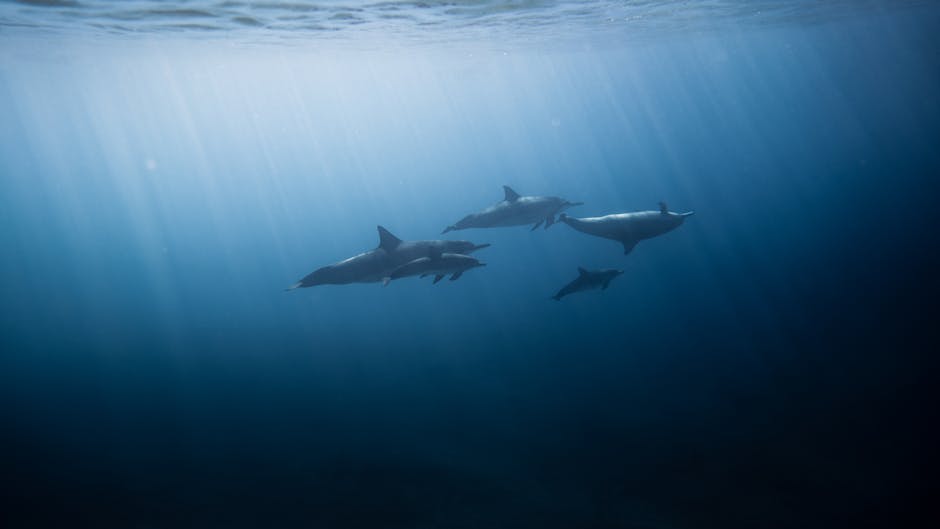
The experience varies dramatically by region. The Caribbean, Hawaii, the Red Sea, and parts of Southeast Asia all offer dolphin tours, but the dolphins themselves behave differently depending on species, water temperature, and how accustomed they are to human presence. Spinner dolphins in Hawaii move differently than bottlenose dolphins in the Caribbean. Some pods are habituated to boats and swimmers. Others avoid them entirely. Understanding this distinction matters before booking.
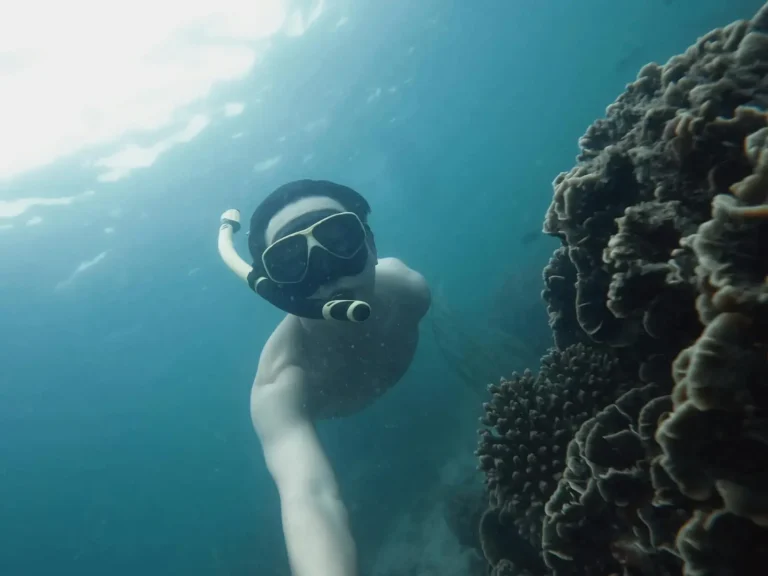
What strikes you first when you’re actually in the water is the noise. Dolphins are loud underwater. You hear clicks, whistles, and echolocation pulses through your snorkel. It’s not the peaceful silence you might imagine. The water is often cloudier than photographs suggest, especially in shallow bays where tour boats congregate. Visibility depends on tide, time of day, and how many boats have stirred up sediment that morning.
Timing and the Reality of Crowds
Early morning tours – those departing before sunrise – offer the best chance of seeing dolphins in a less chaotic setting. By 8 or 9 a.m., multiple boats are in the water, and dolphins tend to move away from the noise and activity. If you’re booking a tour that departs mid-morning, accept that you’re likely to be one of several boats in the same area. This affects both the quality of the encounter and how the dolphins behave.
The dolphins don’t perform on schedule. Some mornings, pods are active and curious. Other mornings, they’re distant or moving too fast for swimmers to keep pace. Tour operators can’t guarantee encounters – they can only position boats where dolphins are likely to be. If you’re a weak swimmer or get tired easily, you’ll struggle to keep up with a moving pod. The water might be warm, but you’re still exerting yourself, and the experience becomes frustrating rather than peaceful.
Peak season matters. In winter months, certain locations see larger dolphin populations migrating through. In summer, the same areas might have fewer dolphins. Some regions experience seasonal changes in water temperature that affect visibility and comfort. A tour that feels magical in January might feel crowded and murky in July. Local guides know these patterns, but they don’t always volunteer this information upfront.
Water Conditions and Physical Reality
The water temperature varies enough to affect your comfort significantly. Caribbean waters feel warm year-round, but Red Sea tours in winter require a wetsuit despite the location’s reputation. Pacific waters off Hawaii can be surprisingly cool in certain months. If you’re sensitive to cold, a tour that sounds tropical might leave you shivering and unable to focus on the dolphins.
Current and wave conditions change daily. Calm mornings turn choppy by afternoon. Seasickness is common on boat rides out to deeper water where dolphins hunt. If you’re prone to motion sickness, take medication before boarding. Many people spend the boat ride feeling queasy, then struggle to enjoy the actual encounter because they’re already exhausted or nauseous.
The physical demands are underestimated. You’re swimming in open water, often without a reference point on the horizon. The dolphins might move faster than you can swim. You might be in the water for 30 minutes to an hour, which sounds short until you’re actually doing it. Fins help, but not everyone is comfortable with them. Snorkeling while fatigued becomes uncomfortable quickly.
What Operators Actually Deliver
Budget operators cut corners on safety equipment, boat maintenance, and guide training. Mid-range operators offer decent boats, knowledgeable guides, and reasonable group sizes. Premium operators provide smaller groups, better boats, and guides with genuine marine biology knowledge. The price difference is substantial, but so is the experience.
Some tours market “swimming with dolphins” when what they actually offer is watching dolphins from a boat while you snorkel nearby. The distinction matters. If close contact and interaction are important to you, clarify exactly what the tour includes before booking. Read reviews carefully, but remember that reviews are written by people with different swimming abilities and expectations than you might have.
Ethical considerations vary. Some operations have strict guidelines about distance and interaction. Others allow swimmers to approach dolphins more closely. Some use bait or other methods to attract dolphins. If animal welfare concerns you, research the operator’s practices. The dolphins’ behavior and stress levels are visible if you know what to look for – rapid movements, avoidance, or dolphins diving deeper to escape boats all signal discomfort.
The Actual Experience
When it works, it’s brief and strange. You’re in the water, the dolphins are nearby, and there’s a moment of awareness between you. They’re curious about you in the way wild animals are curious – not affectionate, not hostile, just present. The moment passes quickly. The dolphins move on. You’re left with the memory and the understanding that you’ve observed something real, even if it wasn’t the transformative experience marketing suggests.
Many people feel disappointed afterward. The encounter lasted minutes. The dolphins didn’t interact the way they expected. The water was cloudier than anticipated. The boat was crowded. The guide was less knowledgeable than hoped. These disappointments are common because expectations are shaped by marketing and social media, not by the practical realities of marine wildlife observation.
The experience is worthwhile if you adjust your expectations. You’re not swimming with trained dolphins in a controlled environment. You’re entering the dolphins’ space as an observer, and they’re under no obligation to cooperate. Some tours deliver genuine moments of connection. Others feel like expensive boat rides with brief wildlife viewing. The difference depends on luck, timing, and which operator you choose.
If you decide to book, go early in the season, choose a tour departing at dawn, and select an operator with consistent positive reviews from experienced travelers. Bring seasickness medication, wear a wetsuit if the water is cool, and don’t expect the dolphins to swim alongside you. Manage your physical expectations – you’ll be swimming harder than you think. And accept that some days the dolphins simply aren’t cooperative, and that’s part of observing wild animals. The moment you stop expecting a performance and start observing behavior, the experience becomes more interesting.