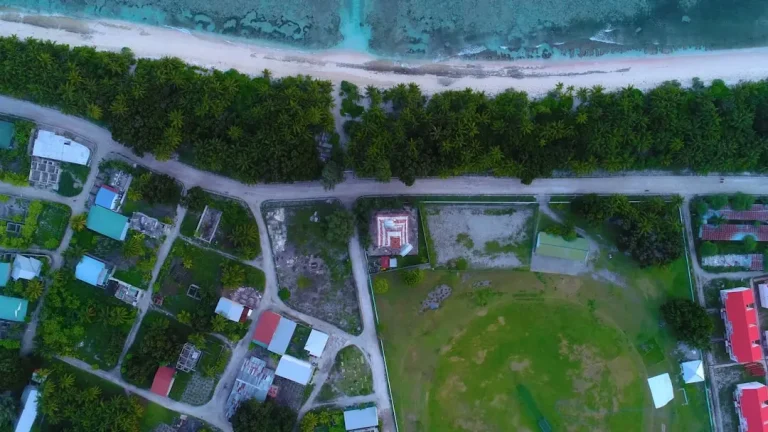
Kizimkazi sits at the southern tip of Zanzibar, a fishing village that has become known primarily for one thing: dolphins. The town itself is small and unremarkable – a cluster of concrete buildings, fishing boats pulled onto black sand, and a few guesthouses that cater to the steady stream of tourists arriving before dawn. Most visitors come for the dolphin tours, which have become the main economic activity here, displacing what was once a quieter fishing economy.
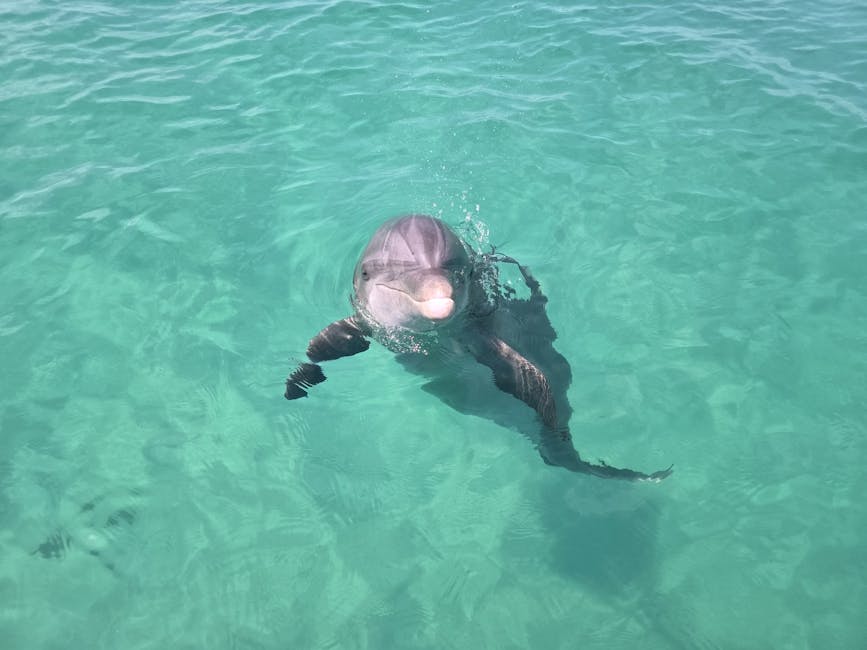
The dolphins in question are Indo-Pacific bottlenose dolphins, and they do appear regularly in the waters off Kizimkazi. But the experience of seeing them is more complicated than the tour operators suggest. The dolphins are wild animals following their own patterns, and their presence on any given morning is not guaranteed. Some days the boats return with excellent sightings. Other days, the dolphins stay deeper or move further offshore, and what you get is a long, hot ride in a small motorboat with nothing to show for it.
The rhythm of Kizimkazi revolves around tides and dolphin behavior. Tours depart early, usually between 5:30 and 6:30 AM, because the dolphins are most active during the slack tide period when the water is calmer. This timing means an early start from wherever you’re staying on Zanzibar – often Stonetown or the northern beaches – which involves a drive of an hour or more on roads that are not always in good condition. The drive itself is part of the experience; you’ll pass through villages, past clove plantations, and watch the light change as you move south.
The Boat Experience and Conditions
The boats used for dolphin tours vary. Some operators use larger vessels with proper seating and shade structures. Others use smaller, open fishing boats with minimal comfort. The difference matters. A smaller boat is more maneuverable and can get closer to dolphins if they appear, but it also means direct exposure to sun and spray. The water off Kizimkazi is typically warm but can be rough depending on the season. During the monsoon periods – roughly April to May and October to November – the sea state can be choppy enough to make the ride uncomfortable, especially if you’re prone to motion sickness.
Once the boat is moving, there’s a lot of waiting. The crew scans the horizon, and you scan with them, looking for the telltale dorsal fins or splashes that indicate dolphins. Sometimes they appear within the first twenty minutes. Sometimes the boat travels for an hour or more before anything happens. The guides communicate with other boats via radio, sharing information about sightings, which means popular dolphin locations can get crowded quickly. Multiple boats converging on the same pod is common, and the atmosphere shifts from peaceful to slightly chaotic when that happens.
When dolphins do appear, the experience is genuine but brief. They surface to breathe, move through the water with clear purpose, and don’t perform for the boats the way some tourists expect. The guides will try to position the boat to give you a good view, but dolphins are not trained animals. They may approach the boat out of curiosity, or they may ignore it entirely. The moment of seeing them is real and often moving – there’s something about watching wild animals in their own environment that feels different from watching them in any other context. But it’s also fleeting, and then they’re gone, and the boat is moving again, searching for the next group.
Snorkeling and Coral Reefs
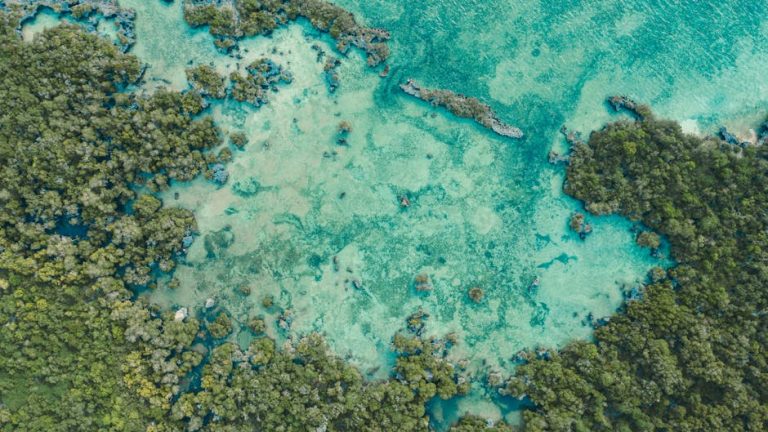
Most dolphin tours include a snorkeling component, usually at a reef site somewhere between Kizimkazi and the larger Menai Bay Marine Park. The reef quality varies depending on where you go and the current conditions. The coral is not pristine – Zanzibar’s reefs have experienced bleaching and damage over the years – but they are still functional ecosystems with fish, sea turtles occasionally, and reasonable visibility on good days.
The snorkeling itself is straightforward. You’re given basic equipment – mask, fins, snorkel – and you enter the water from the boat. The water temperature is warm year-round, usually between 26 and 29 degrees Celsius. Visibility depends on the tide, the season, and how much sediment is in the water. During the dry seasons, visibility can be excellent, reaching 20 meters or more. During the rainy seasons or when the tide is changing, visibility can drop to 5 or 10 meters. The reef tends to be shallow, often between 3 and 8 meters deep, which makes it accessible even for weak swimmers, though you should still be comfortable in the water.
The marine life you’ll encounter includes parrotfish, groupers, snappers, and various smaller reef fish. Sea turtles appear occasionally, but not on every snorkel. Rays are sometimes present on the sandy areas between coral patches. The experience is pleasant and authentic, but it’s not a world-class reef. If you’ve snorkeled in other parts of the Indian Ocean or the Red Sea, you’ll recognize that Kizimkazi’s reefs are more modest. That said, they’re still worth experiencing, and the act of being in the water, seeing coral and fish in their habitat, has its own value separate from the spectacle.
Practical Realities and Timing
A full dolphin and snorkeling tour typically takes four to five hours from the time you leave the beach. This includes the boat ride out, the dolphin search, the snorkeling stop, and the return. By the time you’re back on shore, it’s usually mid-morning, and you’re tired, sun-exposed, and hungry. Many operators include breakfast or lunch, but the quality varies. Some provide decent food; others offer minimal refreshments.
The cost of tours ranges widely depending on the operator and what’s included. Budget operators charge less but may use older boats and provide minimal service. Mid-range operators offer better comfort and more experienced guides. The difference is noticeable, and it’s worth paying a bit more if you can. Tours can be booked through your accommodation, through tour operators in Stonetown, or directly with boat operators in Kizimkazi. Booking directly in the village is usually cheaper but requires you to navigate the local system and negotiate without much information.
Seasonality affects the experience significantly. The dry season, roughly from June to October, offers the best conditions: calmer seas, better visibility, and more reliable dolphin sightings. The wet season brings rougher water and less predictable conditions. The shoulder months of March and November are variable. If you’re traveling to Zanzibar specifically for Kizimkazi, timing your visit during the dry season makes a real difference.
What Happens After the Tour
Once you’re back in Kizimkazi, there’s not much to do. The village is small, and most visitors leave immediately. If you do stay longer, you can walk around, visit the local mosque, or sit in a small restaurant. The local fishing community continues its work regardless of the tourists. If you’re interested in how people actually live in a coastal village, there’s something to observe here, but it requires patience and genuine interest rather than tourism infrastructure.
The experience of Kizimkazi is real but worth understanding on its own terms. You’re not going to see dolphins every time. The snorkeling is decent but not exceptional. The early mornings are challenging, and the boat rides can be uncomfortable. But if you approach it as a chance to be on the water, to look for wild animals, and to see a working reef ecosystem, it makes sense. The dolphins, when they appear, are genuinely impressive. The reef is genuinely interesting. The experience is genuinely yours, not a packaged performance. That distinction matters more than the brochures suggest.