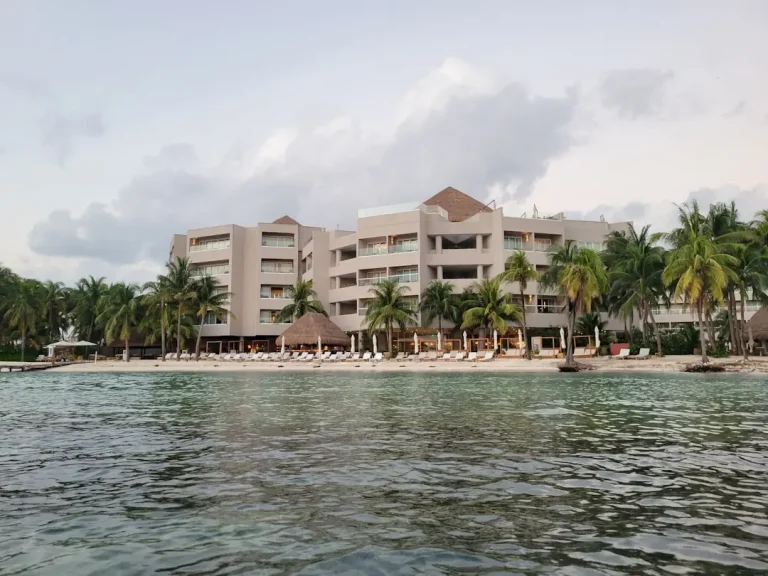
There’s a particular kind of anticipation that builds when you’re standing on a dock waiting for a glass bottom boat. The water is usually clearer than you expected it to be, or murkier, depending on the season and tide. The boat itself is rarely as large as the photos suggest. You notice the crew moving with practiced efficiency, checking life jackets and pointing out where to sit, and you realize this is a routine they’ve done hundreds of times. The novelty is entirely on your side.
Glass bottom boats occupy a strange middle ground in marine tourism. They’re not quite snorkeling, not quite passive observation. You’re meant to experience both the underwater world and the surface simultaneously, which sounds seamless in theory but feels more fragmented in practice. The glass panels below your feet offer a window into the reef or seabed, but the view is often obscured by reflections, glare, and the movement of other passengers shifting their weight. You’ll spend time staring down, then looking up at the actual water, then back down again, trying to reconcile the two perspectives.
The Timing Question
Morning departures are standard for a reason. The light is better, the water tends to be calmer, and the reef fish are more active. If you book a midday tour, you’ll likely find yourself squinting through intense glare on the glass panels, and the reef itself can look washed out in the harsh overhead sun. The crew will tell you this doesn’t matter, and they’re not entirely wrong, but there’s a noticeable difference in visibility and atmosphere between an 8 a.m. departure and a 1 p.m. one.
The duration of these tours typically runs between 1.5 and 3 hours, depending on the operator and package level. The glass bottom portion usually occupies the first hour, sometimes less. After that, you’re either moving to a snorkeling site or returning to shore. If you’ve paid for a VIP experience, you might get a longer glass bottom segment, a dedicated guide, or priority positioning on the boat. In reality, priority positioning matters more than you’d think. Being at the front or sides of the boat gives you better sightlines through the glass than being in the middle, where other passengers’ shadows and bodies block your view.
What You Actually See
The marine life visible from a glass bottom boat depends heavily on location and season. In established marine parks with healthy reefs – places like the Great Barrier Reef sections that allow glass bottom tours, or certain areas around the Caribbean islands – you’ll see fish, coral formations, and possibly sea turtles or rays if you’re fortunate. In less protected areas or during off-seasons, you might see mostly sand, sparse coral, and small fish darting away from the boat’s shadow.
Check real traveller reviews, prices, availability, departure points, and flexible booking options in one place.
The experience is passive in a way that can feel limiting if you’re expecting immersion. You’re observing from above, through glass, with a boat hull between you and the water. There’s no sensation of being in the environment. Some people find this appealing – it’s accessible, requires no swimming ability, and you stay dry. Others find it frustrating precisely because it keeps you at a distance from what you came to see.
The Snorkeling Component
When the boat stops at a snorkeling site, the experience shifts entirely. You’re now in the water, breathing through a tube, and the reef or marine environment surrounds you rather than sitting below you. This is where the actual immersion happens. The transition from glass bottom observation to snorkeling can feel jarring – suddenly you’re responsible for your own buoyancy, breathing, and navigation.
Snorkeling time on these tours is usually 45 minutes to 1.5 hours, depending on the package. The crew will give you a briefing on where to stay, what not to touch, and basic safety. If you’re a confident swimmer, this is straightforward. If you’re nervous in the water or new to snorkeling, the activity can feel rushed. The boat is waiting, other passengers are moving around you, and there’s an implicit pressure to keep up with the group. VIP tours sometimes offer smaller groups or more flexible timing, which does reduce this sensation.
The water temperature matters more than you’d expect. In tropical destinations, the water is warm enough that you can stay in for extended periods without a wetsuit. In cooler seasons or more temperate locations, you might start feeling cold after 30 minutes, which affects how long you actually want to stay submerged and how much you enjoy the experience.
Crowds and Atmosphere
Glass bottom boat tours are popular for good reason, which means they’re rarely empty. A typical boat holds 30 to 50 passengers. VIP tours might limit this to 15 to 20. The difference in atmosphere is significant. With fewer people, the boat feels less crowded, the snorkeling site is less chaotic, and you have more space to move without constantly encountering other swimmers.
Peak season in most coastal destinations runs from December through March in the Northern Hemisphere, and June through August in the Southern Hemisphere. During these months, multiple boats often visit the same snorkeling sites simultaneously. You’ll see clusters of tourists in the water, sometimes making the reef feel more like a crowded pool than a natural marine environment. Off-season visits – April to May or September to November – offer noticeably fewer boats and a quieter experience, though weather can be less predictable.
The crew’s demeanor affects the tour more than you might think. Some operators prioritize efficiency and move passengers through the experience quickly. Others take time to point out marine life, explain reef ecology, or ensure everyone feels comfortable in the water. Neither approach is inherently wrong, but it shapes whether you feel like you’re on a tour or part of a group experiencing something together.
Practical Considerations
Seasickness is a real possibility, particularly if the ocean has any swell. The glass bottom boat’s movement can be more noticeable than you expect, especially if you’re staring down through the glass panels. Eating a light breakfast and taking medication if you’re prone to motion sickness is worth considering. The snorkeling portion is usually less problematic because you’re in the water, which tends to feel more stable than being on the boat.
Sunburn is almost inevitable if you’re not careful. You’re exposed to direct sun for several hours, and the water’s reflection intensifies UV exposure. Reef-safe sunscreen is essential, both for your skin and for the marine environment. Many operators now require it or sell it on site, though the quality varies.
Photography underwater while snorkeling is possible but challenging without proper equipment. A basic underwater camera or phone case works for casual shots, but getting quality images requires more investment. If photography is important to you, consider whether the tour operator offers underwater photography services or if you need to bring your own gear.
The physical demands are moderate. You need to be comfortable in water, able to swim reasonably well, and capable of spending time in the sun and salt water. Older travelers or those with mobility limitations can often participate in the glass bottom portion, though snorkeling might not be feasible depending on individual circumstances.
After the tour, you’ll feel tired in a specific way – sun-tired, salt-tired, and mentally fatigued from processing new sensations. The experience lingers as a collection of moments rather than a cohesive narrative. You remember the feeling of the water, certain fish you saw, the boat’s movement, the crew member who pointed out a particular coral formation. The glass bottom portion fades more quickly from memory than the snorkeling does, which tells you something about which part of the experience actually registers as meaningful.
Compare top-rated tours, prices, availability, and real traveller reviews before booking. See what’s actually available for your dates and departure location.
Compare tours and check availability