Mnemba Atoll sits off the northeast coast of Zanzibar, a small ring of coral and sand that appears deceptively simple on a map. Getting there requires a boat ride from Nungwi or other northern beaches, usually between 30 and 45 minutes depending on sea conditions and which operator you use. The atoll itself is protected, and access is restricted to a limited number of visitors per day, which means the reef hasn’t been hammered into submission the way some popular snorkeling sites have been. That said, “protected” doesn’t mean untouched, and the experience varies considerably depending on when you visit and what the ocean decides to do on any given morning.
The water around Mnemba tends to be clearer than the main beaches of Zanzibar, but clarity is relative in the Indian Ocean. On good days – typically during the dry season from June through October – visibility can reach 15 to 20 meters. On other days, particularly after rough weather or during the rainy seasons, you might be working with 5 to 8 meters. This matters more than you’d think when you’re trying to spot fish or navigate the coral formations. Early morning departures give you the best chance at clearer water, partly because the ocean tends to be calmer before wind picks up and partly because fewer boats have stirred up sediment.
The Reef Itself and What Lives There
The coral at Mnemba is primarily hard coral – branching acropora, table corals, and brain corals dominate the structure. It’s not the most vibrant reef system you’ll encounter in the Indian Ocean, but it’s functional and supports a reasonable population of fish. You’ll see parrotfish, surgeonfish, groupers, and smaller reef fish moving through the coral. The variety is decent without being exceptional. Larger pelagic fish are less common than you might hope, though on certain days you’ll encounter trevally or the occasional reef shark cruising the deeper sections.
What strikes most people more than the fish is the actual physical layout of the atoll. The reef drops off in places, creating walls and channels where water flows differently. These deeper sections – sometimes 12 to 15 meters – feel noticeably colder than the shallower lagoon areas. The temperature shift is real and worth noting if you’re sensitive to cold. The shallow lagoon inside the atoll is warmer and calmer, with softer sand and less dramatic marine life. Most snorkelers spend time in both areas, though the boat operators typically direct you toward the outer reef wall where the more interesting coral and fish congregate.
Practical Realities of Getting There
The boat ride itself is worth considering. Depending on which beach you depart from and which operator you book with, you might be in a small speedboat with 6 to 8 people or a larger traditional dhow with 15 or more. Speedboats are faster but noisier and bouncier on choppy days. Dhows are slower but offer a different experience and sometimes feel less intrusive to the marine environment, though that’s partly psychological. Either way, you’ll spend time on the water, and if the ocean is rough – which happens more often than the brochures suggest – the ride can be genuinely uncomfortable.
Check real traveller reviews, prices, availability, departure points, and flexible booking options in one place.
Most operators provide basic snorkeling equipment, though the quality varies. Masks fit differently on different faces, and a poor seal means water leaks in constantly. If you have your own mask and snorkel, bringing them is worth the luggage space. Wetsuits are typically offered but often in limited sizes. The water temperature around Zanzibar hovers between 24 and 28 degrees Celsius depending on the season, which is warm enough that many people skip a wetsuit, but a thin 2mm suit provides useful protection from sun exposure and minor coral scrapes.
Crowds and Timing
Mnemba’s daily visitor limit keeps it from becoming completely overrun, but “limited” is relative. During peak season – roughly July through September and December through January – you’ll share the reef with other boats and snorkelers. The experience doesn’t feel crowded in the way popular Caribbean reefs do, but you’re definitely not alone. Early morning trips tend to have fewer people in the water at any given moment, partly because fewer boats depart early and partly because the first group often finishes and leaves before later groups arrive.
The shoulder seasons – April to May and October to November – offer a different rhythm. Fewer tourists means fewer boats, but you also get less predictable weather. April and May can be rainy, which affects water clarity. October and November sit between the rainy season and peak dry season, offering a middle ground. If you’re flexible with timing, these periods feel less hectic without sacrificing water quality.
What Actually Happens in the Water
Most snorkeling trips last around two to three hours total, including boat time. The actual time spent in the water is usually 60 to 90 minutes, often split into two separate sessions with a break in between. During your first session, the guide or boat operator will take you to a specific section of the reef – usually based on where they think conditions are best that day. You’ll follow along, sometimes with a guide pointing out fish or coral, sometimes just swimming at your own pace.
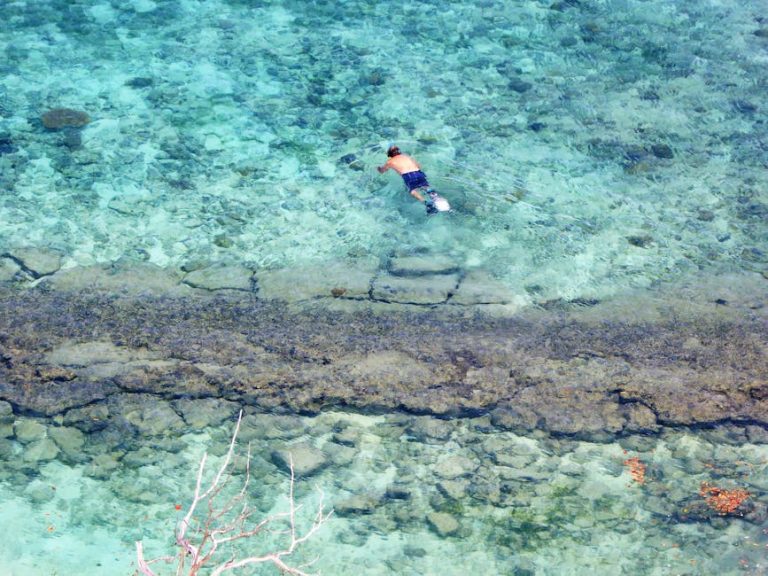
The experience is straightforward snorkeling. You’re at the surface looking down at coral and fish. There’s no descent, no pressure changes, no technical skill required. If you’ve snorkeled before, you know what to expect. If you haven’t, the learning curve is gentle. The main challenge is simply staying calm enough to breathe normally through the snorkel – some people tense up and hyperventilate, which ruins the experience. Relaxation matters more than fitness or swimming ability.
The reef doesn’t feel pristine or untouched. You’ll notice broken coral, bleached sections, and areas where the ecosystem is recovering from past damage. This isn’t unique to Mnemba – it’s the reality of coral reefs in 2024. The reef is still alive and worth seeing, but expectations of seeing an underwater paradise should be adjusted. What you’re actually observing is a functioning ecosystem that’s been stressed and is adapting.
Seasonal Patterns and Environmental Factors
The dry season from June to October offers the most reliable conditions. The ocean is calmer, visibility is better, and the weather is more predictable. December through February is also dry but warmer, which some people prefer and others find uncomfortably hot. The rainy seasons – March to May and November – bring rougher seas and cloudier water, though it’s not impossible to snorkel during these periods. It’s just less consistent.
Tidal patterns affect the reef experience more than most travelers realize. The atoll’s lagoon fills and empties with the tide, and water flow changes accordingly. High tide brings more water movement and sometimes better visibility on the outer reef. Low tide can trap you in shallower areas of the lagoon. Most operators plan trips around tidal timing, but it’s worth asking about when you book.
The experience of snorkeling Mnemba Atoll is ultimately straightforward. You get in a boat, travel to a reef, look at coral and fish, then return to shore. It’s not transformative or life-changing for most people. It’s a pleasant few hours in the ocean with decent marine life and reasonable water clarity. Whether that’s worth your time and money depends on what you’re seeking and what else you could be doing in Zanzibar. The reef exists, the logistics work, and the fish are there. Beyond that, it’s a fairly ordinary snorkeling experience in a location that happens to be accessible and reasonably well-preserved.
Compare top-rated tours, prices, availability, and real traveller reviews before booking. See what’s actually available for your dates and departure location.
Compare tours and check availability