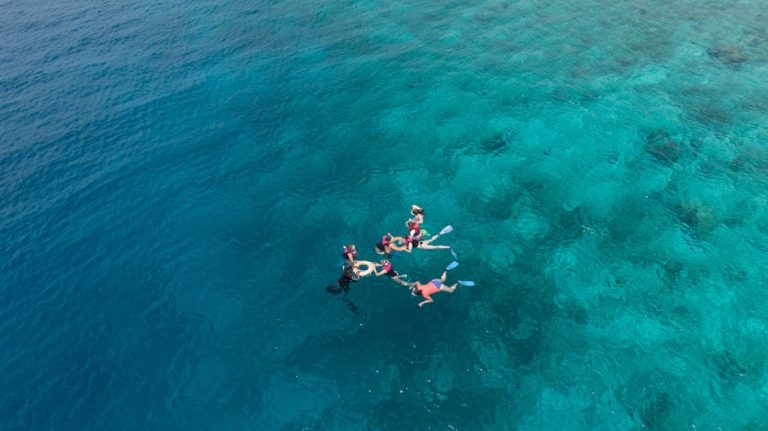
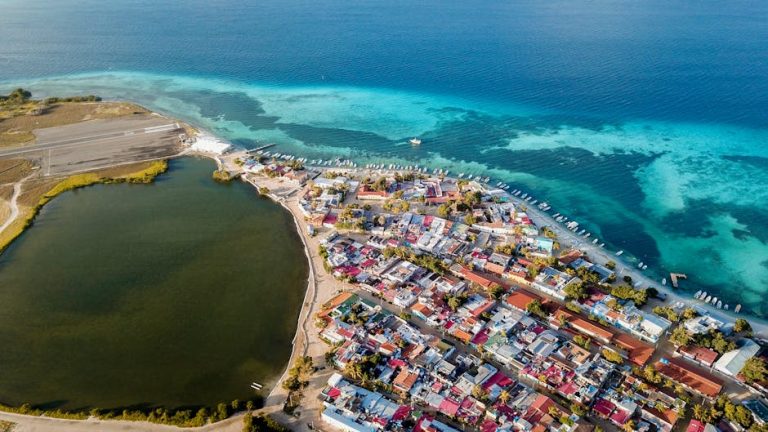
When you arrive at a protected reef area for the first time, the regulations often feel like an afterthought. You’re focused on getting in the water, on the visibility, on whether you’ll see anything worth the effort. But spend time in these zones and you realize the rules exist for a reason – and they shape every aspect of how you actually experience the place.
Protected reef areas operate under a surprisingly varied set of restrictions depending on where you are in the world. Some zones allow snorkeling but prohibit diving. Others permit diving only with licensed operators. A few restrict access to certain hours of the day or specific seasons. The common thread is that these aren’t arbitrary inconveniences. They’re responses to real damage that reefs have sustained, and they reflect what marine scientists have learned about what helps coral recover.
The most immediately noticeable regulation in most protected areas is the anchoring restriction. Boats can’t drop anchor directly onto the reef. Instead, they use mooring buoys – fixed lines attached to the seafloor that allow vessels to tie up without dragging an anchor across coral. This sounds minor until you’ve seen what an anchor does to a reef. A single careless drop can destroy years of coral growth in seconds. The mooring system keeps boats stable without that damage, though it does mean you’re sometimes waiting for a buoy to become available, especially during peak season.
What You Actually Can and Cannot Do
Most protected reefs have a core set of rules that apply regardless of location. You cannot touch the coral. You cannot collect shells, sea stars, or any marine life. You cannot use certain sunscreens – specifically those containing oxybenzone or octinoxate, which damage coral tissue. You cannot feed fish, even though it seems harmless and even though local vendors sometimes sell bread specifically for this purpose.
The sunscreen rule catches many travelers off guard. Reef-safe sunscreen is now standard at most dive shops and resorts near protected areas, but if you bring your own, you’ll need to check the label. Some resorts confiscate non-compliant sunscreen at the gate. Others simply ask you not to wear it in the water. The enforcement varies, but the reasoning is consistent: the chemicals accumulate in coral tissue and interfere with reproduction and growth.
Check real traveller reviews, prices, availability, departure points, and flexible booking options in one place.
Beyond these universal restrictions, regulations depend on the specific designation of the area. A marine park might allow snorkeling from the shore but require all divers to go with a guide. A protected zone might limit the number of boats that can visit on any given day. Some areas prohibit spearfishing or any kind of fishing entirely. Others allow fishing in certain zones while protecting breeding areas. The variation reflects different conservation priorities and different levels of reef degradation when protection was established.
How Protection Actually Changes the Experience
The practical effect of these regulations becomes clear when you spend time in the water. Protected reefs tend to have more fish. Larger fish. Fish that aren’t immediately terrified of humans. This isn’t guaranteed – some protected areas are still recovering – but the pattern holds across most well-managed zones. The absence of fishing pressure means populations have time to grow and reproduce. You notice it most in the larger groupers and snappers that tend to flee in heavily fished areas.
Coral coverage also tends to be higher in protected zones, though again, this depends on how long protection has been in place and how well it’s enforced. Some reefs you visit will still show clear signs of bleaching or disease. Others will be visibly healthier than nearby unprotected reefs. The difference is most obvious if you’ve seen the same reef system over years – the recovery is gradual but measurable.
The requirement to use guides or stay within marked zones does restrict your freedom in the water. You can’t wander wherever curiosity takes you. You can’t spend three hours exploring a single section of reef if the tour schedule calls for moving on. On crowded days, you’re sharing the reef with dozens of other snorkelers or divers, which changes the atmosphere. The water feels busier. The fish are more cautious. The experience is less intimate than you might have imagined.
Enforcement and What Actually Happens
The quality of protection varies dramatically depending on funding, local government commitment, and tourism infrastructure. Some protected areas have rangers who actively patrol and enforce regulations. Others rely primarily on operator compliance and peer pressure. A few are protected in name only, with minimal actual enforcement.
In well-funded marine parks – places like the Great Barrier Reef or major Caribbean marine reserves – you’ll encounter rangers, fines for violations, and regular monitoring. Boats are checked for proper mooring buoy use. Guides are licensed and periodically audited. The system feels real and consequential.
In less-resourced areas, enforcement is looser. A protected zone might exist on paper while boats still anchor directly on coral and guides encourage fish feeding. The regulations are real, but compliance depends more on the ethics of individual operators than on systematic oversight. This is where your choice of dive shop or snorkel tour operator matters significantly. A reputable operator will follow regulations regardless of enforcement pressure. A cheaper operator might cut corners.
The experience of being in a protected area with strong enforcement feels different from one with weak enforcement. In the former, you sense institutional care. Buoys are maintained. Guides know the rules and enforce them among tourists. Violations are rare. In the latter, you might see trash on the reef, anchors on coral, or guides allowing tourists to touch marine life. It’s a subtle difference in atmosphere, but it shapes how you feel about the place.
Seasonal and Timing Realities
Many protected reefs have seasonal restrictions tied to breeding seasons, weather patterns, or tourism volume. Some areas close to diving during certain months to protect nesting sea turtles. Others limit access during peak rainy season when visibility drops and currents become unpredictable. A few restrict visitor numbers during the hottest months to reduce pressure on the reef system.
These seasonal closures often surprise travelers who haven’t planned around them. You arrive expecting to dive a protected area only to find it closed for the season. Or you visit during the open season and find the water so crowded that the experience feels compromised. Checking seasonal restrictions before booking is essential, not just for practical planning but because visiting during shoulder seasons often gives you a better experience – fewer tourists, calmer water, and healthier marine life behavior.
The time of day matters too. Early morning visits to protected reefs tend to be less crowded and offer better visibility. Fish behavior is also different – more active, less wary. By midday, when tour boats have arrived in volume, the reef feels busier and the fish have retreated into deeper water or crevices. If you have flexibility with timing, the difference is worth pursuing.
What the Regulations Actually Protect
The restrictions in protected reef areas exist because reefs are fragile systems that recover slowly. A damaged coral head takes years to regrow. A reef system damaged by anchors, broken by careless swimmers, or depleted by overfishing can take decades to recover. Some damage is permanent within any human timescale.
The regulations work. Reefs in well-protected areas with consistent enforcement show measurable recovery compared to unprotected reefs nearby. Fish populations increase. Coral coverage stabilizes or grows. The ecosystem becomes more resilient to other stressors like temperature fluctuations. It’s not dramatic or immediate, but it’s real.
Understanding this context changes how the regulations feel. They’re not obstacles to your experience. They’re the reason the experience exists at all. Without protection, the reef you’re visiting would likely be degraded, less biodiverse, and less memorable. The mooring buoy system, the guide requirements, the restrictions on touching – these are what make it possible for you to see a healthy reef at all.
When you visit a protected reef area, you’re benefiting from decisions made years or decades earlier to restrict access and enforce conservation measures. The experience you have – the coral you see, the fish you encounter, the clarity of the water – exists because of those regulations. They’re invisible when they work well, which is exactly the point.
Compare top-rated tours, prices, availability, and real traveller reviews before booking. See what’s actually available for your dates and departure location.
Compare tours and check availability