Small-group reef tours sound appealing in theory. Fewer people, better access, more personalized attention. The reality is more nuanced. After spending time on reefs across the Caribbean, Indo-Pacific, and Red Sea, I’ve learned that group size alone doesn’t guarantee an intimate experience. What actually shapes these tours is a combination of factors most travelers don’t consider until they’re already in the water.
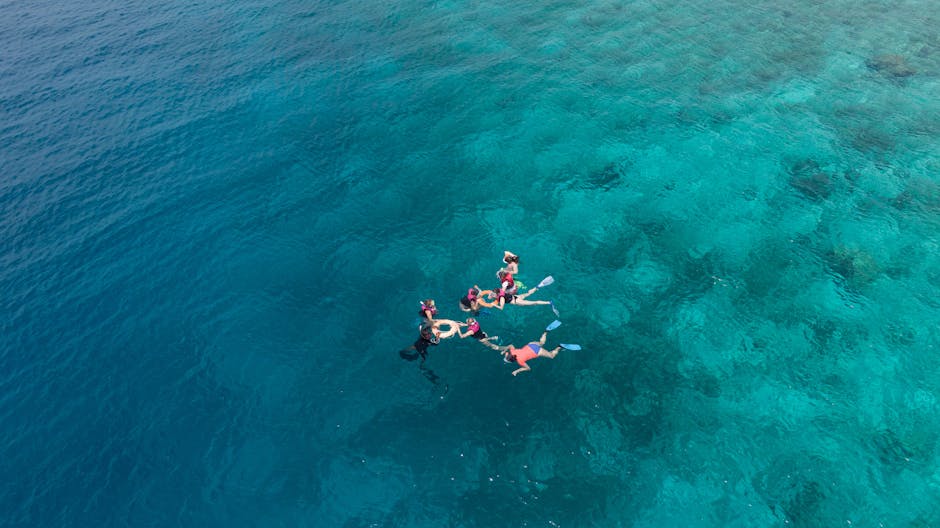
The first thing to understand is that “small group” means different things depending on where you are. A tour operator in the Maldives might call eight people intimate. In Belize, it could mean twelve. In the Philippines, fifteen. These numbers matter because they affect how the reef feels, how quickly the group moves, and whether you can actually hear your guide. More importantly, they determine how much disturbance the group creates underwater. More bodies means more sediment stirred up, more noise, more fish behavior changes.
Water clarity and timing intersect in ways that separate good reef experiences from mediocre ones. I’ve been on the same reef on consecutive days with vastly different visibility. Morning tours, especially in locations with tidal movement, often have clearer water than afternoon dives. This isn’t always predictable, and it’s rarely mentioned in tour descriptions. Some operators schedule tours around tidal windows; others run them on fixed schedules regardless of conditions. The difference between 60 feet of visibility and 30 feet changes everything about how you experience the reef.
The Operator Variable
Not all small-group operators are created equal. Some are genuinely committed to conservation and education. Others are simply running a business with minimal overhead. The distinction becomes obvious once you’re underwater. A guide who knows the reef’s ecology, can identify species, and actively manages the group’s behavior creates a fundamentally different experience than someone who simply leads people to the prettiest coral and lets them do whatever they want.
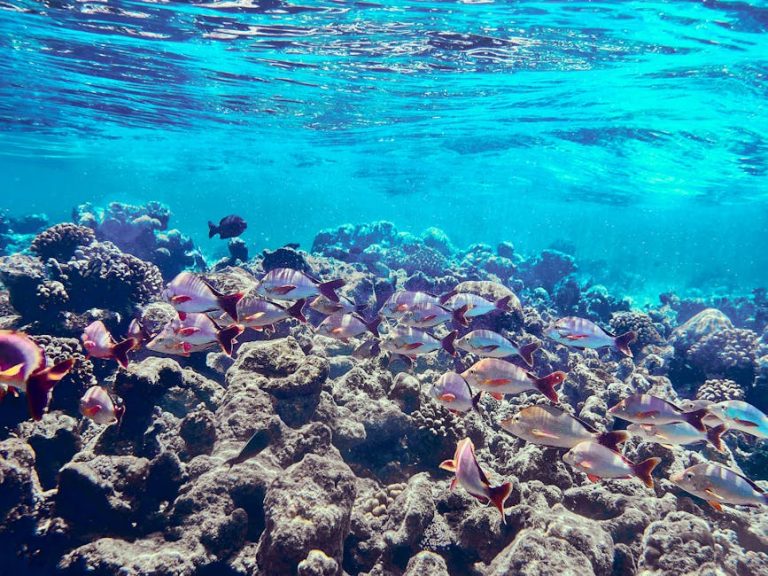
I’ve been on tours where the guide stayed between the group and the reef, preventing people from touching coral. I’ve been on tours where the guide was nowhere to be found, and tourists were grabbing sea urchins and standing on branching coral. The difference isn’t just ethical – it affects what you actually see. Undisturbed reefs have more fish, more activity, and more interesting behavior. A reef that’s been handled and stressed all day is quieter and less rewarding.
The best small-group operators tend to be locally owned or have long-term commitments to specific reefs. They have incentive to maintain the ecosystem because their business depends on it. They also tend to know the reef’s seasonal patterns, which sites are in good condition, and which are recovering. This knowledge shapes where they take groups and when.
What Crowds Actually Look Like Underwater
The experience of a small group changes dramatically depending on what else is happening on the reef. If your eight-person group is the only one there, it feels intimate. If there are three other groups of similar size, or one large tour group of thirty people, the reef suddenly feels busy. Most operators don’t mention this. They can’t control whether other companies are operating the same site on the same day.
Popular reef sites in well-established destinations have this problem year-round. The Great Barrier Reef, the reefs around Cancún, the House Reef in the Maldives – these places see multiple tours daily. Small-group operators compete for the same locations. If you’re seeking solitude, you need to either go to less-developed areas, visit during shoulder seasons, or book with operators who have exclusive access to certain sites.
Early morning tours genuinely do have fewer people. I’ve noticed this consistently. A 6:30 AM departure gets you on the reef before most other groups arrive. The water is often calmer, the light is different, and the reef feels less trafficked. The trade-off is the early start, which some travelers find exhausting after a long flight. But if you’re serious about an intimate experience, it’s worth the fatigue.
Seasonality and What It Means
Reef conditions vary seasonally, and this affects both the quality of small-group tours and the likelihood of actually getting a small group. During peak season in most tropical destinations, operators run multiple tours daily and still fill them. During shoulder or low season, groups are smaller by necessity. But low season often comes with trade-offs: rougher water, lower visibility, less fish activity, or weather cancellations.
The Caribbean hurricane season (June through November) keeps some travelers away, which means smaller groups. But it also means unpredictable weather and occasional tour cancellations. The Red Sea has seasons where water temperatures drop enough that some people find it uncomfortable without a thicker wetsuit. The Indo-Pacific has monsoon seasons that affect visibility and accessibility.
I’ve had excellent small-group reef experiences during shoulder season when conditions were decent and crowds were genuinely minimal. I’ve also had mediocre ones during low season when the reef felt subdued and the water was murky. The sweet spot is usually the transition periods – just before or just after peak season – when conditions are still good but crowds have thinned.
The Physical Reality of Being on a Reef
Small-group tours don’t eliminate the physical demands of reef snorkeling or diving. You’re still dealing with currents, entry and exit logistics, sun exposure, and the simple fatigue of being in water for two or three hours. A smaller group doesn’t make these easier, though a good guide can choose entry points and routes that minimize difficulty.
Current is the variable that most affects how a tour actually feels. Some reefs have predictable currents; others are inconsistent. A guide who understands the current can position the group to work with it rather than against it. I’ve been on tours where we drifted effortlessly along a reef wall, and tours where we fought against the current for the entire time. The group size barely mattered in either case – the current was the dominant factor.
Entry and exit also matter more than people realize. Some reefs have sandy beaches with easy access. Others have rocky entries, surge zones, or boat-only access. Small-group operators using smaller boats can often access sites that larger tour operators can’t, which can genuinely reduce crowds. But it also means less stable platforms and sometimes more challenging logistics.
Cost and What You’re Actually Paying For
Small-group reef tours cost more than large-group tours. The per-person economics are less favorable for the operator, so prices reflect that. What you’re paying for is theoretically smaller groups, more personalized attention, and potentially better guide quality. Sometimes you get those things. Sometimes you’re just paying more for the same experience with fewer people.
The operators who charge premium prices for small groups and actually deliver premium experiences tend to be transparent about what they offer. They specify group size, guide qualifications, which reefs they visit, and what the itinerary actually includes. They also tend to have reviews from people who’ve actually been there, not just marketing language.
I’ve paid more for small-group tours that were worth every dollar because the guide was knowledgeable, the reef was healthy, and the experience felt genuinely intimate. I’ve also paid premium prices for tours that felt like regular reef tours with fewer people. The difference was usually the operator’s commitment to the experience, not just the group size.
If you’re considering a small-group reef tour, focus on the operator’s knowledge and commitment more than the group size itself. Ask about their guide training, their specific sites, how they manage environmental impact, and what they actually do to create an intimate experience. Small groups are a starting point, but everything else determines whether the tour actually delivers what you’re looking for.