Corporate reef tours have become a standard offering at coastal resorts and island destinations worldwide. The pitch is straightforward: bring your team to a tropical location, spend a morning or afternoon on the water, snorkel or dive a coral reef, and return with renewed camaraderie and fresh perspective. The reality is considerably more complicated, shaped by logistics, group dynamics, water conditions, and the simple fact that not everyone feels comfortable in the ocean.
If you’ve been invited to one of these retreats, understanding how they actually operate helps you prepare mentally and physically. The experience depends heavily on which reef you’re visiting, the time of year, how your operator manages the group, and frankly, how your body responds to being on a boat for several hours.
The Typical Structure and Timing
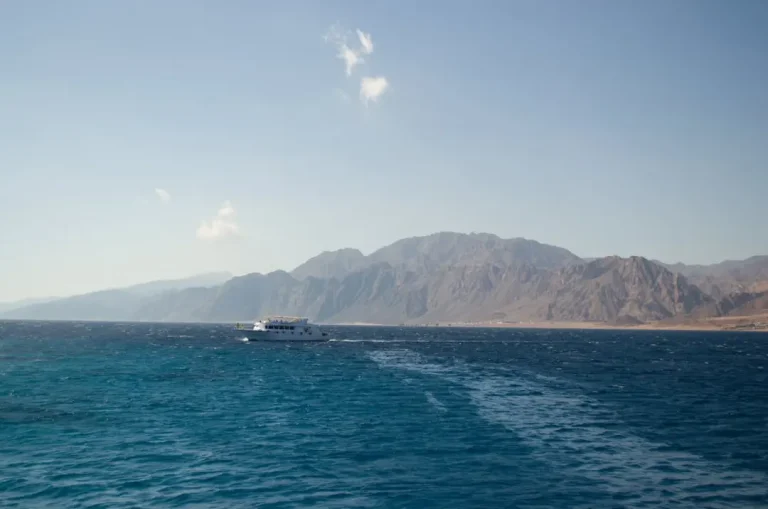
Most corporate reef tours follow a predictable pattern. Your group meets at a dock or beach between 7 and 8 in the morning. This early start isn’t arbitrary – it’s designed to catch calmer water conditions and avoid afternoon wind chop. You’ll board a boat that typically holds between 20 and 60 people, depending on the destination and operator size. The ride to the reef takes anywhere from 15 minutes to over an hour, depending on which reef your operator has chosen and how far offshore it sits.
The boat journey itself is often the first reality check. Even in supposedly calm conditions, the motion affects people differently. Some find the rhythm soothing. Others feel queasy within minutes. Seasickness medication helps, but it works better if taken 30 minutes before boarding rather than after you’re already feeling unwell. The boat deck is crowded. People jostle for shade. Conversations become difficult once the engines start. This is the part of the retreat that rarely appears in the promotional materials.
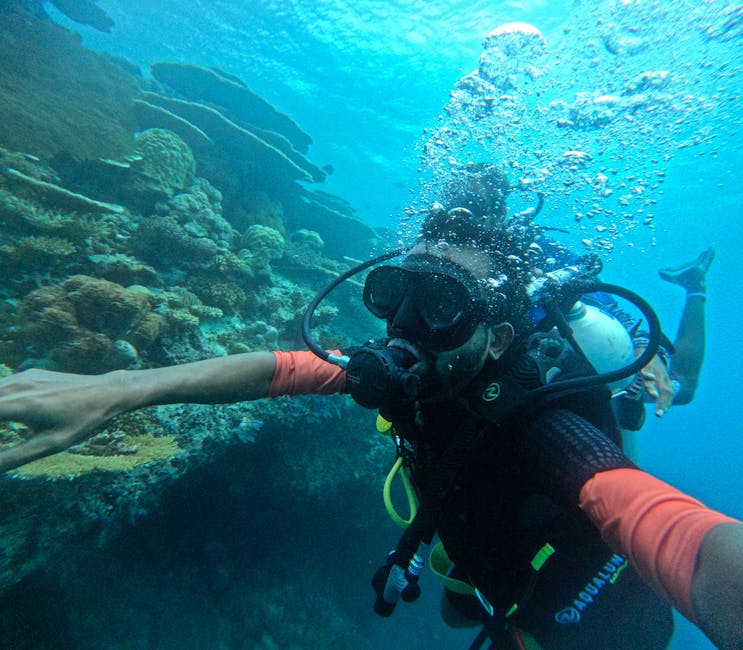
Once you reach the reef site, the crew briefs everyone on safety and snorkel technique. This briefing typically lasts 10 to 15 minutes. If your group includes divers, certified divers may descend with an instructor while snorkelers stay at the surface. The actual time in the water is usually 45 minutes to an hour, though it can feel shorter if you’re cold or longer if conditions are exceptional and the crew allows extended time.
What the Water Conditions Actually Look Like
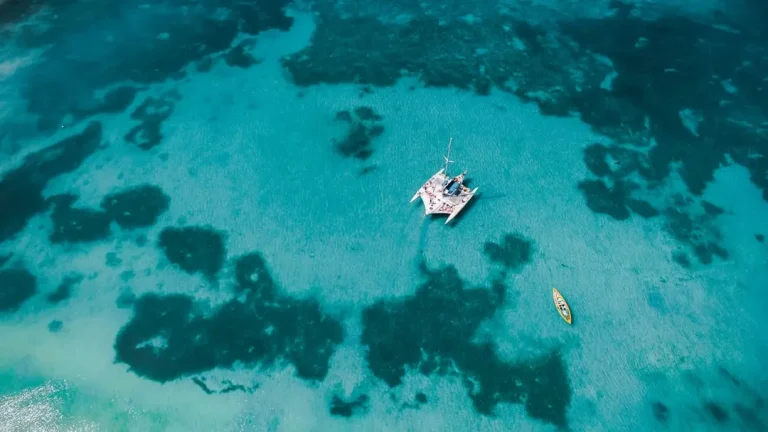
Reef visibility varies dramatically by location, season, and recent weather. In the Caribbean during winter months, visibility often reaches 80 to 100 feet. In Southeast Asia during monsoon season, you might see 20 feet on a good day. The difference between these two scenarios fundamentally changes what you experience underwater. Distant coral formations become invisible in poor visibility. Fish behavior changes. The sense of immersion shifts.
Water temperature also matters more than most people anticipate. Tropical reefs aren’t always warm. The Great Barrier Reef in winter can feel cold enough that even experienced swimmers want a wetsuit. Caribbean reefs in summer are genuinely warm, but if you’re sensitive to cold, even 78-degree water will chill you after 45 minutes of floating. Wetsuits are usually available for rent, but they’re often poorly fitted and add another layer of logistical friction to the morning.
Currents are another variable that changes day to day. Some reefs have predictable tidal flows. Others shift based on wind and weather patterns. A strong current can be exhilarating if you’re a confident swimmer, exhausting if you’re not. Operators choose entry and exit points based on current direction, but they can’t always predict how strong the flow will be once you’re in the water.
The Group Dynamic Underwater
Being part of a large corporate group changes how you experience a reef. You’re not exploring independently. You’re moving as a unit, usually following a guide who keeps the group together. This means you see what the guide wants you to see, at the pace the guide sets. If someone in the group is struggling, the entire group may slow down or pause.
Snorkeling in a crowd also affects marine life behavior. Fish are less likely to approach when there are dozens of people in the water. Larger animals like sea turtles or rays tend to avoid groups. If you’re hoping for intimate wildlife encounters, a corporate tour rarely delivers that. You’ll see fish and coral, but the experience is mediated by the presence of everyone around you.
Some people find the group aspect reassuring. Others find it claustrophobic. If you’re someone who prefers solitude or moving at your own pace, a structured corporate tour can feel constraining. The crew manages the group for safety and liability reasons, which means you’re not free to drift where you want or spend extra time with a particular coral formation.
Physical Demands and Recovery
Corporate reef tours are marketed as leisurely experiences, but they’re physically demanding in ways that aren’t always obvious beforehand. You’re swimming in saltwater, which is more buoyant than fresh water but also more exhausting if you’re fighting a current. You’re wearing a snorkel, which changes your breathing pattern and can create a sensation of restriction for people unused to it. You’re exposed to sun for several hours. You’re likely dehydrated by the time you return to the boat.
The boat ride back is often harder than the ride out. You’re tired, sunburned, and the novelty has worn off. Seasickness is more likely on the return journey. The boat feels more crowded because everyone is exhausted and wants to sit down. Conversations that felt energetic in the morning become quiet and withdrawn.
People often underestimate how much energy a reef tour requires. If you’re not a regular swimmer or if you have any joint issues, the combination of swimming, sun exposure, and boat motion can leave you genuinely tired for the rest of the day. This is worth factoring into your schedule. If the reef tour is in the morning and you have evening activities planned, you might find yourself less engaged than expected.
Seasonal and Location Variations
Corporate reef tours in the Maldives feel different from tours in Belize, which feel different from tours in the Philippines. The Maldives offers consistently warm water, excellent visibility, and abundant fish life, but the reefs are often heavily trafficked. Belize has dramatic coral formations and the famous Blue Hole nearby, but water temperature can be cooler than expected and visibility is variable. The Philippines has incredible biodiversity but also more unpredictable weather and longer boat rides to pristine reefs.
Timing within the year matters significantly. Winter is generally better for Caribbean reefs. Summer is better for Mediterranean and temperate reefs. Monsoon seasons create rough water conditions in Southeast Asia. If your company is flexible about when to schedule the retreat, choosing the optimal season for your chosen destination makes a real difference in how the experience feels.
Some operators have developed relationships with specific reefs and understand their conditions intimately. Others rotate between multiple sites based on weather and availability. Operators with deep local knowledge can read conditions better and adjust plans more effectively. This isn’t always reflected in pricing, but it does affect the quality of the experience.
The Unspoken Challenges
Not everyone swims comfortably. Some people have anxiety about being in open water. Others have physical limitations that make snorkeling difficult. Corporate retreats often assume everyone will participate, which creates awkward situations for people who are uncomfortable or unable to join. Some operators offer boat-based alternatives or shallow-water options, but not all do. If you have concerns about your ability to participate, it’s worth asking the organizers directly rather than discovering limitations once you’re at the dock.
Equipment also presents practical challenges. Rental gear is sometimes poorly maintained. Masks leak. Fins don’t fit properly. Wetsuits are sized for average bodies, which means they fit almost no one perfectly. Bringing your own equipment solves some of these problems, but it requires advance planning and luggage space.
The social pressure to participate and appear enthusiastic is real. If you’re exhausted or uncomfortable, there’s an expectation to stay positive and engaged. This can make the experience feel less relaxing than it’s supposed to be. Corporate retreats are partly about team bonding, which means there’s an implicit obligation to be present and cooperative, even if you’re not having a great time.
Corporate reef tours serve a purpose. They get people out of the office, expose them to natural environments, and create shared experiences that can strengthen workplace relationships. But they’re not the transcendent ocean encounters that marketing materials suggest. They’re logistically complex, physically demanding, and heavily dependent on conditions and group dynamics. Going in with realistic expectations – understanding the timing, the physical demands, the crowding, and the variability of conditions – helps you actually enjoy the experience rather than feeling disappointed that reality doesn’t match the brochure.