Tobago’s reef tours with barbecue have become a standard offering for visitors, and for good reason. The island sits at the southern edge of the Caribbean archipelago, close enough to the equator that the water stays warm year-round and the reef systems remain relatively healthy compared to other parts of the region. But the experience itself varies dramatically depending on when you go, which operator you choose, and what your tolerance is for spending half a day on a boat with strangers while the sun beats down relentlessly.
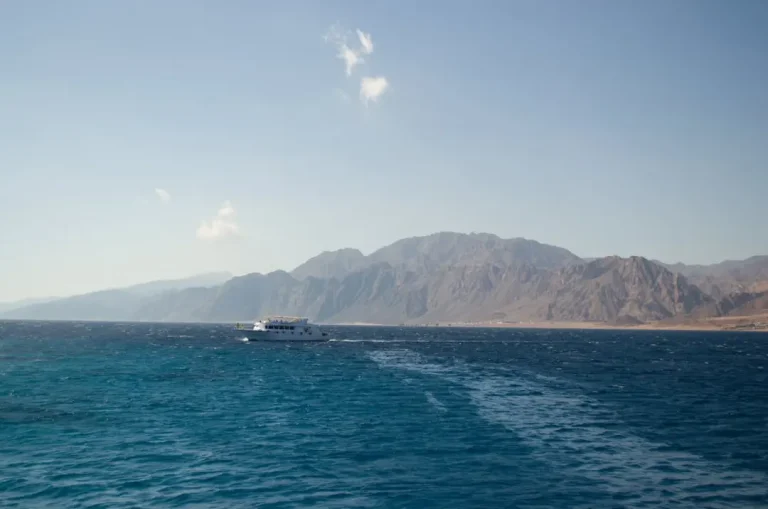
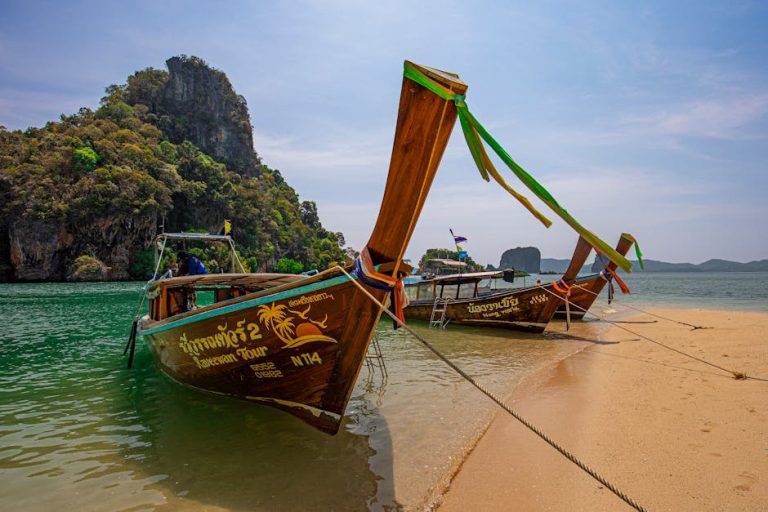
The typical tour runs between five and seven hours. You’ll be picked up from your accommodation or a central meeting point early in the morning, usually around 8 or 9 a.m., and transported to a boat moored at one of the main beaches – often Store Bay or Pigeon Point. The boats themselves are functional rather than luxurious. Most are open-sided fishing or tour vessels with a canopy, bench seating along the sides, and a small cabin area. They’re designed to move people, not to coddle them. The engines are loud. The ride to the reef sites takes between 20 and 40 minutes depending on which reefs are being visited that day.
The Water and the Reefs
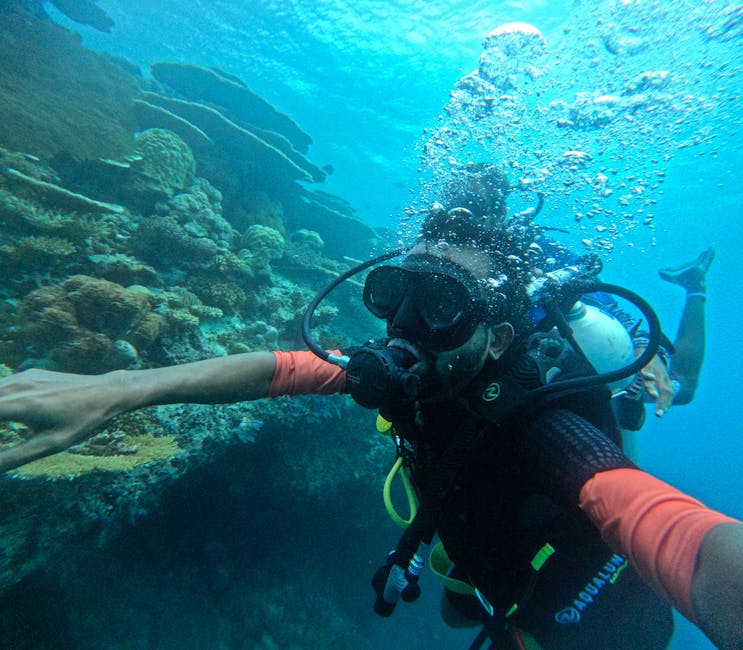
The reefs around Tobago are genuinely worth seeing. The island’s southern and western coasts have several established dive and snorkel sites – Buccoo Reef, Pigeon Point Reef, and the Japanese Gardens are the most visited. The coral formations are substantial, and the fish populations are decent, though not pristine. You’ll see parrotfish, groupers, snappers, and smaller reef fish. Sea turtles appear occasionally, and if you’re lucky, you might encounter a spotted eagle ray or a small nurse shark resting on the sand. The water clarity depends heavily on recent weather and tidal conditions. In the dry season (January to May), visibility can reach 60 to 80 feet. In the rainy season, it drops to 30 to 40 feet or less.
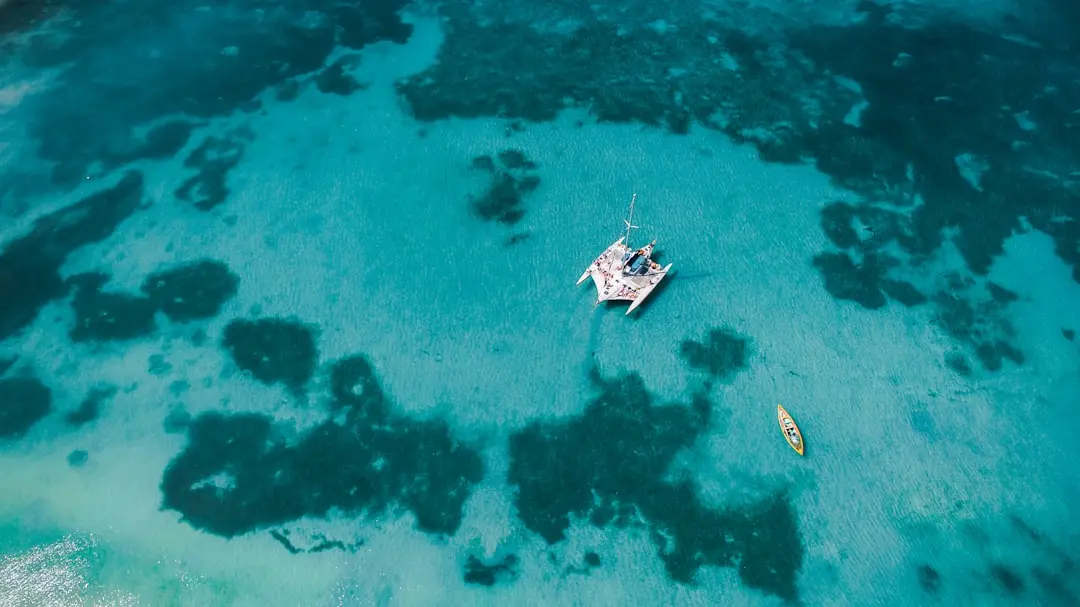
What catches many visitors off guard is how shallow the reefs are. Buccoo Reef, the most famous, sits in water that’s rarely deeper than 20 feet. This makes it accessible for snorkeling, but it also means the reef is exposed to wave action and has been damaged significantly over the years. You’ll see bleached coral sections and areas where the structure has broken down. The reef isn’t dead, but it’s clearly stressed. The sand flats between coral heads are where most of the marine life congregates, and this is where you’ll spend most of your time in the water.
The snorkeling itself is straightforward. You’re given a basic orientation on the boat – usually just “stay with the group, don’t touch the coral, watch for the guide.” Then everyone enters the water and follows a guide who points out fish and occasionally disappears underwater to retrieve something interesting. The pace is leisurely. Most people spend 45 minutes to an hour in the water at each site, though the guide will pull everyone out if conditions deteriorate or if someone signals distress.
The Barbecue Component
The barbecue happens on a small beach, usually on a sandbar or a designated beach area between reef stops. This is where the tour operator’s effort and competence become obvious. Some operators have a proper setup: a functioning grill, tables, chairs, fresh ingredients, and actual food preparation. Others show up with a cooler, a portable grill, and whatever was thrown together that morning. The difference between a good experience and a mediocre one often comes down to this part of the day.
The food is typically grilled fish – usually mahi-mahi or kingfish – along with chicken, local vegetables, and rice or bread. There’s usually fresh fruit, and most tours include a basic beverage selection: water, juice, soft drinks, and sometimes beer or rum punch. The meal itself is simple and adequate. It’s not fine dining, and you shouldn’t expect it to be. What matters is that the food is actually hot, fresh, and prepared with reasonable care. The best tours have someone who knows how to work a grill. The worst have someone who treats it as an afterthought.
You’ll eat sitting on the sand or at picnic tables, depending on what the operator has arranged. The beach is usually crowded with other tour groups – Tobago is popular enough that you’ll rarely have a beach to yourself. The atmosphere is social and relaxed, though the heat and the sun exposure start wearing on people by this point in the day. Many visitors spend this time recovering from the snorkeling and trying to find shade.
Practical Realities of the Full Day
The fatigue factor is real. You’re on a boat with 20 to 40 other people, sitting on benches, being thrown around by the motion of the water. The sun exposure is constant. Even with sunscreen, most people end up with some level of burn. The noise from the engine and the conversations of other tourists creates a background hum that’s hard to escape. By the afternoon, many people are ready to be back on solid ground.
The boat ride back is often rougher than the ride out, especially if the wind has picked up during the day. This is when seasickness becomes a real concern for some travelers. The tour operators know this and will usually have motion sickness medication or ginger available, but it’s worth taking something preventative if you’re prone to nausea. Eating a light breakfast before the tour helps more than you’d think.
Weather is the wild card. Tobago’s dry season runs from January through May, and this is when the tours operate most reliably. The water is calmer, visibility is better, and the sun is intense but predictable. The rainy season brings afternoon showers and rougher sea conditions. Tours still run, but they’re more likely to be cut short or rerouted to different reef sites based on what the captain decides is safe. If you’re visiting during the rainy season and a tour is canceled, it’s usually because conditions are genuinely rough, not because of overcaution.
Choosing an Operator
The tour operators in Tobago range from established companies with good reputations to informal arrangements made through your hotel. The established operators – those with fixed offices and regular schedules – tend to be more reliable. They have better equipment, more experienced guides, and more consistent food preparation. They’re also more expensive. A tour through a major operator runs between 60 and 100 USD per person. Tours arranged informally or through smaller operators might be 30 to 50 USD, but the quality is less predictable.
The guides themselves vary in knowledge and engagement. Some are genuinely knowledgeable about the reef ecosystem and the marine life. Others are there to manage the group and make sure nobody drowns. Ask your hotel or other travelers which operators they’ve used and what the experience was like. Word of mouth is more reliable than online reviews, which tend to be either glowing or bitter with little middle ground.
One thing worth knowing: the tours don’t require certification or advanced swimming ability. The reefs are shallow enough that you can stand up in most places. If you’re uncomfortable in the water, you can stay on the boat or stay in the shallow areas and observe. The guides are used to mixed ability levels and won’t pressure you to do anything you’re not comfortable with.
The reef tours are a legitimate way to see Tobago’s marine environment without needing diving certification or significant swimming experience. The barbecue is a functional part of the day rather than a culinary highlight. The real value is in the time on the water, the snorkeling itself, and the chance to see what the reef looks like up close. It’s a solid half-day activity, the kind of thing that fits naturally into a Caribbean island visit without requiring special planning or extensive preparation. Just go in with realistic expectations about comfort, sun exposure, and the general pace of a group tour.