Reef tours come with wildly different price tags depending on where you’re diving or snorkeling, which operator you choose, and what time of year you visit. The gap between a budget option and a premium tour can easily be several hundred dollars per person, but the difference isn’t always worth paying for. After spending time on reefs across the Caribbean, Southeast Asia, and the Pacific, I’ve learned that price doesn’t always correlate with experience quality – sometimes it reflects overhead, marketing, or simply location markup.
The first thing to understand is that reef tour pricing operates on a regional basis. In places like the Maldives or Fiji, a half-day snorkel tour runs between $80 and $150 per person with established operators. The same tour in Mexico’s Caribbean coast – Playa del Carmen, Cozumel, Tulum – typically costs $60 to $120. Southeast Asia, particularly Thailand and Indonesia, sits at the lower end: $30 to $60 for a comparable experience. These aren’t arbitrary differences. They reflect local labor costs, fuel prices, permit fees, equipment maintenance standards, and how much tourists in each region are accustomed to spending.
What you’re actually paying for matters more than the headline price. A $45 tour in Thailand might include snorkel gear, a boat ride to two or three reef sites, lunch, and a guide who speaks multiple languages. The same $45 in the Caribbean might only cover the boat and guide, with gear rental and food as add-ons. Conversely, a $120 tour in Cozumel often includes better-maintained equipment, smaller group sizes, and guides with formal certification. The operator’s reputation, insurance coverage, and safety record should influence your decision far more than saving $30.
Where Budget Tours Make Sense
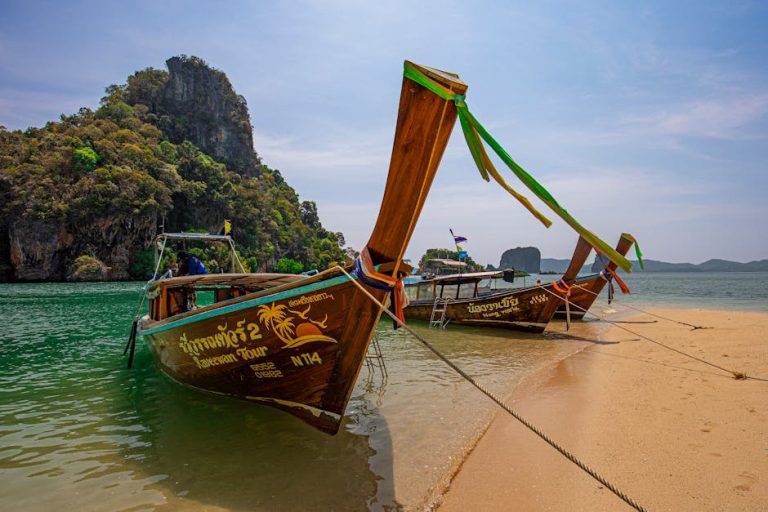
Budget reef tours work best in high-volume destinations where competition keeps prices down and operators have streamlined their logistics. Thailand’s islands – Phuket, Krabi, Koh Samui – have so many tour operators that prices have compressed naturally. A basic snorkel tour there genuinely costs $35 to $50, and you’re not sacrificing much. The reefs are accessible, the boats run frequently, and guides rotate through dozens of tours per week. The operator’s margin is thin, but volume compensates.
Indonesia operates similarly. Bali and the Gili Islands have budget snorkel tours at $40 to $70 that include multiple reef stops and lunch. I’ve done several of these tours and found them reliable. The boats are older but functional. The guides know the reefs intimately because they work them constantly. You’ll be in a larger group – often 15 to 25 people – but the reef itself doesn’t care about group size.
The Philippines presents another budget-friendly option, particularly around Palawan and Cebu. Tours run $30 to $60 and typically include island hopping, snorkeling, and meals. The reefs here are recovering in some areas and still vibrant in others, so reef quality varies more than price. Budget tours work because the infrastructure is simple: small boats, minimal overhead, and guides who’ve been doing this for years without needing formal credentials.
Budget tours become risky when they’re unusually cheap for their region. If a reef tour in the Maldives is advertised at $40 when the standard rate is $100, something is wrong. Either the operator is cutting corners on safety, using worn-out equipment, or the tour is genuinely limited in scope. I’ve seen budget operators in the Maldives use older boats with questionable maintenance records and guides with minimal training. The savings aren’t worth the risk.
Mid-Range Tours and What They Offer
The $80 to $150 range represents the sweet spot for most travelers. This is where you find established operators with solid reputations, properly maintained equipment, and guides who’ve invested in training. In the Caribbean, this price point gets you a half-day tour with a small group (8 to 12 people), snorkel gear included, and usually a second reef site. The boat is newer. The guide has certification and experience with different skill levels.
In Mexico’s Caribbean, mid-range tours from Playa del Carmen or Cozumel cost $90 to $140 and often include cenote snorkeling alongside reef exploration. These tours have been refined through thousands of repetitions. The operators know exactly how long to spend at each site, how to manage groups, and how to handle weather changes. Equipment is regularly replaced. Guides speak English and Spanish fluently.
Southeast Asia’s mid-range sits lower – $60 to $100 in Thailand and $50 to $90 in Indonesia – because the cost of living is lower. You’re getting similar quality to Caribbean mid-range tours, just at a regional price point. A $75 tour in Phuket includes snorkel gear, multiple reef sites, lunch, and a guide. The boat might be smaller and less luxurious than a Caribbean equivalent, but the experience is comparable.
Premium Tours and Diminishing Returns
Premium reef tours – $150 to $300 per person – exist in almost every destination. In the Maldives, they’re the standard. In the Caribbean, they’re available but not necessary. In Southeast Asia, they’re rare because the price point doesn’t align with local economics.
What do premium tours deliver? Smaller groups (4 to 8 people), newer boats with better amenities, guides with advanced certifications or specialized expertise, and sometimes exclusive access to less-visited reef sites. In the Maldives, a premium snorkel tour from a resort gets you a private boat, personalized guide, and access to pristine house reef or nearby atolls. The experience is genuinely different from a budget tour.
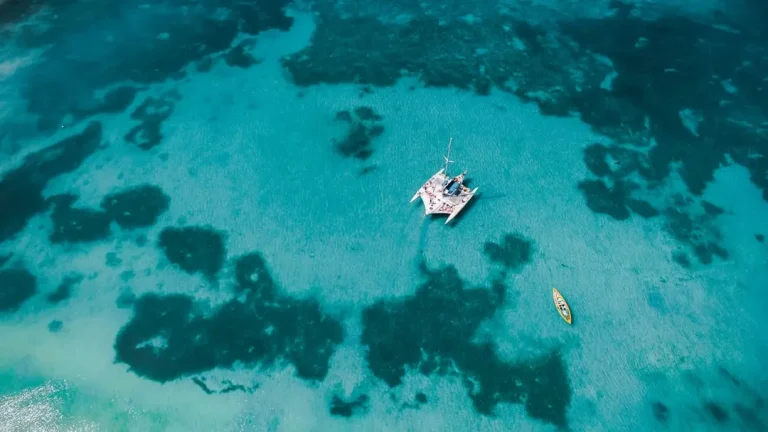
In the Caribbean, premium tours often mean a catamaran instead of a speedboat, complimentary drinks, and guides who can identify specific fish species and explain reef ecology in detail. The difference is noticeable but not transformative. I’ve had excellent reef experiences on $70 tours in Cozumel and less memorable ones on $200 tours in the Bahamas. The premium price sometimes reflects the operator’s brand and location markup rather than actual quality.
Private reef tours occupy the highest tier, ranging from $300 to $800 per person depending on group size and destination. These are worth considering if you have specific interests – underwater photography, advanced snorkeling technique, or visiting remote reefs – or if you’re traveling with a group that can split costs. A private guide can tailor the experience to your pace and interests. But for a standard reef tour, private tours represent luxury spending rather than value.
Seasonal Pricing and Timing
Reef tour prices fluctuate seasonally, though not as dramatically as accommodation. Peak season brings slightly higher prices – sometimes 10 to 20 percent above off-season rates – but the difference is modest because tour operators have fixed costs regardless of demand. What changes more noticeably is availability and group size.
During peak season (December to March in the Northern Hemisphere, June to August in the Southern Hemisphere), reef tours fill quickly. You might book a tour expecting six people and end up with fifteen. Operators add extra boats or larger vessels to handle demand. The experience feels more crowded, but the price doesn’t necessarily increase proportionally.
Off-season tours – April to May and September to November in most destinations – often have smaller groups and slightly lower prices. The trade-off is weather. Seas are choppier, visibility can be reduced, and some operators reduce tour frequency. I’ve done off-season reef tours where the experience was just as good as peak season, particularly if I timed the visit around weather windows. Other times, I’ve shown up to find tours canceled due to rough seas.
Hidden Costs and What’s Actually Included
The advertised price rarely tells the full story. Equipment rental – fins, wetsuit, mask – adds $10 to $30 if not included. Some operators charge separately for photos or underwater video. Lunch might be included or might cost extra. Transportation from your hotel to the dock can be $10 to $20 each way. Gratuity expectations vary by region but typically run 10 to 15 percent of the tour cost.
Ask directly what’s included before booking. A tour advertised at $50 might actually cost $75 once you add equipment rental and lunch. Conversely, a tour at $100 might genuinely include everything. Operators in Southeast Asia tend to bundle more into the base price. Caribbean operators often itemize separately.
Fuel surcharges have become common since 2022. Some operators add $5 to $10 per person depending on fuel prices. This is legitimate but worth noting when comparing quotes. Insurance is another variable. Reputable operators carry liability insurance; budget operators sometimes don’t. This isn’t reflected in pricing but should influence your choice.
Finding Actual Value
Value in reef tours comes from matching your expectations to the experience offered, not from finding the cheapest option. A $40 tour in Thailand is excellent value if you want to see coral and fish with minimal fuss. A $150 tour in the Maldives is excellent value if you want pristine reefs and personalized attention. A $200 tour that costs that much because it’s marketed as “luxury” but delivers the same experience as a $80 tour is poor value.
Read recent reviews from travelers who match your skill level and interests. Someone reviewing a tour as “too crowded” might be a solo traveler annoyed by group dynamics, not someone who genuinely had a bad experience. Someone praising a tour for “amazing fish” might have low expectations for reef quality. Look for reviews mentioning specific details: water clarity, guide knowledge, boat condition, group size.
Talk to your accommodation’s front desk or local tourism office. They hear feedback constantly and can point you toward operators with solid reputations