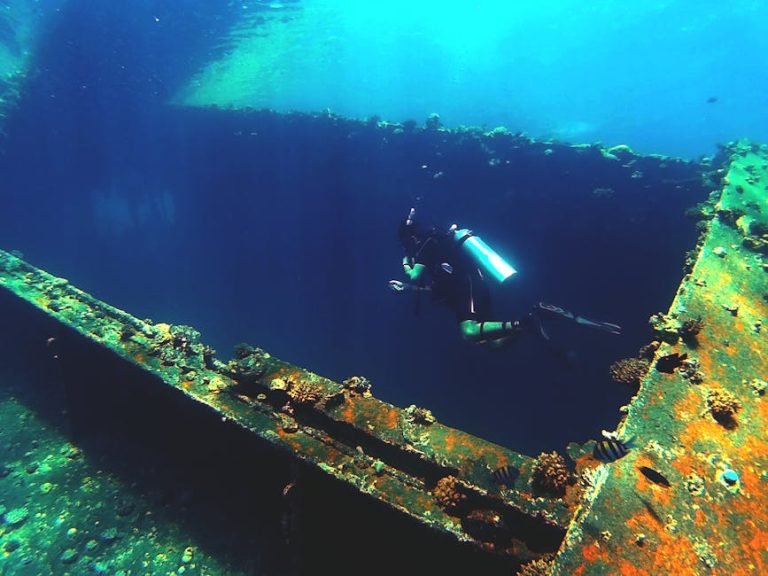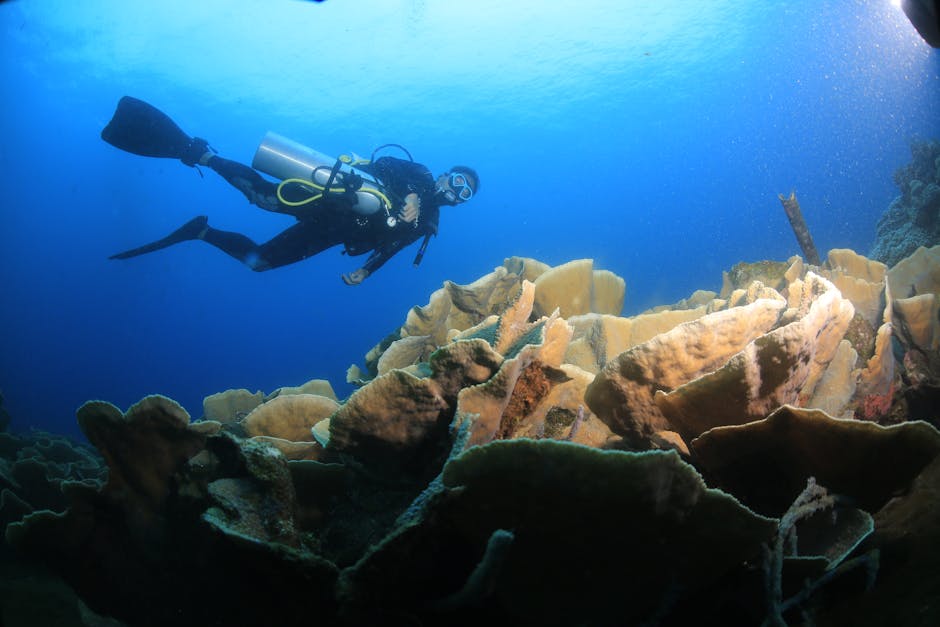
Advanced reef diving sits in an uncomfortable space between recreational diving and technical exploration. You’re no longer following a guide’s hand signals in shallow, forgiving water. You’re making independent decisions in environments where mistakes compound quickly. The reefs themselves – whether in the Indo-Pacific, Caribbean, or Red Sea – don’t care about your certification card. They operate on their own terms: currents, visibility, depth, and marine life that doesn’t distinguish between experienced divers and tourists.
Most people arrive at advanced reef diving after a few years of recreational experience. They’ve done their open water certification, logged maybe fifty to a hundred dives in calm conditions, and feel ready for something more demanding. The reality is more nuanced. Advanced diving isn’t just about technical skill. It’s about understanding how your body responds to nitrogen narcosis at depth, managing air consumption under stress, reading water conditions before you enter, and knowing when to abort a dive without ego getting in the way.
The Physical and Mental Shift
Deeper reefs demand more from your physiology. Nitrogen narcosis begins affecting cognition around 30 meters, though the onset varies by individual. Some divers feel it mildly – a slight fuzziness, slower reaction time. Others experience confusion that feels like being drunk underwater. You don’t know which category you fall into until you’re at depth, which is why controlled exposure in a training environment matters more than any classroom instruction.
Decompression obligations change everything about how you plan a dive. Recreational diving keeps you in the no-decompression limits, meaning you can ascend directly to the surface if needed. Advanced reef diving often requires mandatory decompression stops. This means you cannot simply decide to leave early. You’re committed to a specific bottom time and ascent profile. Running low on air becomes a genuine emergency rather than a signal to end the dive.
The mental load increases proportionally. You’re tracking bottom time, managing air reserves, monitoring your dive computer, watching your buddy, observing the reef, and maintaining buoyancy control simultaneously. Fatigue sets in faster than you’d expect, even in tropical water where temperature isn’t a stressor. After ninety minutes of focused attention at depth, your brain is tired in a way that surface activities rarely replicate.
Choosing Reefs That Match Your Actual Skill Level
Not all advanced reefs are created equal. A protected house reef in the Maldives at 25 meters is fundamentally different from the outer walls of the Palau drop-offs or the strong currents around Sipadan in Malaysian Borneo. The Maldives allows you to practice advanced techniques in relatively controlled conditions. Palau and Sipadan demand that you already possess solid skills before you arrive.
Current is the primary variable that separates manageable advanced dives from genuinely risky ones. A reef without current is forgiving. A reef with current requires you to read water movement, position yourself correctly, and adjust your descent and ascent accordingly. Some divers confuse “advanced” with “famous,” and they end up on reefs where the difficulty exceeds their preparation. This happens regularly at destinations that market themselves as world-class without being honest about what that requires.
The Great Barrier Reef near Cairns offers advanced diving without excessive current in many locations. The Red Sea, particularly around the Egyptian coast, provides deep reef walls with manageable conditions if you choose the right sites. The Caribbean’s Cayman Islands and Bonaire have excellent advanced diving in relatively protected environments. These destinations allow you to develop deeper-water skills without fighting environmental forces simultaneously.
Logistics and Practical Realities
Advanced reef diving almost always requires boat access. Shore diving exists, but it’s limited. This means coordinating with dive operators, accepting their schedules, and dealing with weather delays. Boats to advanced dive sites leave early – often 6 or 7 AM – and the ride itself can be rough. You’re spending two to three hours on a boat before entering the water, then another hour or more returning. Factor in seasickness, sun exposure, and the physical toll of gearing up and down multiple times. A full day of advanced diving is exhausting in ways that shore diving rarely is.
Accommodation near serious diving destinations tends to be either resort-based or scattered among smaller guesthouses. Resort diving offers convenience and predictability. Independent operators sometimes offer better value and more flexibility, but they require more planning. You need to research operators beforehand, verify their safety records, and understand their equipment standards. Renting gear at destination is common but adds cost and introduces variables. Bringing your own equipment means traveling with 15 kilograms of additional luggage.
Seasonal timing matters significantly. Monsoon seasons close many reefs entirely. Dry seasons bring calmer water but also crowds. The best diving windows are often brief – perhaps three to four months per year at certain locations. This creates a compressed travel season where operators are busy, prices are higher, and sites are more crowded. Off-season diving can be excellent if you’re willing to accept rougher conditions and fewer other divers.
The Actual Experience at Depth
Descending to 30, 40, or even 50 meters on a reef is visually stunning and psychologically intense. The light changes noticeably. Colors disappear. Your field of vision narrows slightly due to nitrogen narcosis. Sounds become muffled. The reef structure that seemed clear in photos appears more abstract and complex when you’re moving through it at depth.
Marine life behaves differently at advanced depths. Larger fish and sharks are more common on deeper reefs. They’re generally indifferent to divers, but their presence changes the psychological dynamic. You’re no longer observing from a position of dominance. You’re a visitor in an environment where larger predators exist. This awareness sharpens your focus and makes you acutely conscious of your vulnerability.
Visibility varies dramatically. A reef with 40-meter visibility feels entirely different from one with 15 meters, even at the same depth. Poor visibility amplifies nitrogen narcosis effects because you lose visual references. You become more reliant on instruments and your buddy. Navigation becomes more challenging. What looks manageable in planning becomes genuinely difficult in execution.
When Advanced Diving Reveals Its Limits
Every experienced diver has moments where they recognize they’re beyond their comfort zone. These moments are valuable if you respond correctly. Turning back from a dive isn’t failure. Ascending earlier than planned isn’t weakness. The divers who get into serious trouble are typically those who push through discomfort because they’ve invested time, money, or ego into the dive.
Nitrogen narcosis can creep up on you. You might feel fine at 35 meters, then suddenly realize your thinking is slower at 40 meters. Some divers respond by ascending. Others rationalize it as normal and continue deeper. Decompression sickness (the bends) isn’t something you feel coming. It’s a consequence of dive profiles that exceed safe limits. You might feel fine for hours after surfacing, then experience joint pain or neurological symptoms days later.
Buddy separation is rare but possible. Current can separate divers faster than you’d expect. Visibility can drop suddenly. Equipment issues can occur. Advanced divers practice emergency procedures, but knowing the theory and executing under stress are different things. This is why choosing dive operators with strong safety records matters more than choosing reefs with the best reputation.
Advanced reef diving is achievable for anyone willing to invest time in proper training and honest self-assessment. It’s not about being fearless. It’s about understanding risk, preparing thoroughly, and respecting the environment’s indifference to your experience level. The reefs that demand advanced skills offer experiences that recreational diving cannot provide, but they require you to show up genuinely prepared, not just certified.