Tayrona National Park sits where the Colombian Caribbean meets dense jungle, and the underwater experience there carries the same sense of collision – not everything is as seamless as the postcards suggest. The reefs exist in a narrow band between the park’s dramatic coastline and deeper water, accessible mainly by boat from the small town of Santa Marta, about an hour away. Most divers arrive with expectations shaped by clearer, warmer Caribbean destinations like Cozumel or Bonaire. Tayrona delivers something different: a working reef system that feels alive in ways that feel less manicured.
The visibility here depends entirely on timing and weather. During the dry season from December through March, the water can reach 60 to 80 feet of clarity on good days. But “good days” require specific conditions – calm seas, minimal rain in the mountains, and ideally a dive scheduled for morning when sediment hasn’t had time to churn through the water column. The afternoon dives often feel murky by comparison, with visibility dropping to 30 or 40 feet. This isn’t a flaw in the reef itself; it’s how this particular coastal system functions. Rivers flow down from the Sierra Nevada, and their sediment load affects water clarity throughout the year. Divers expecting the gin-clear visibility of Caribbean atolls need to adjust expectations before entering the water.
The Reef Structure and What Lives There
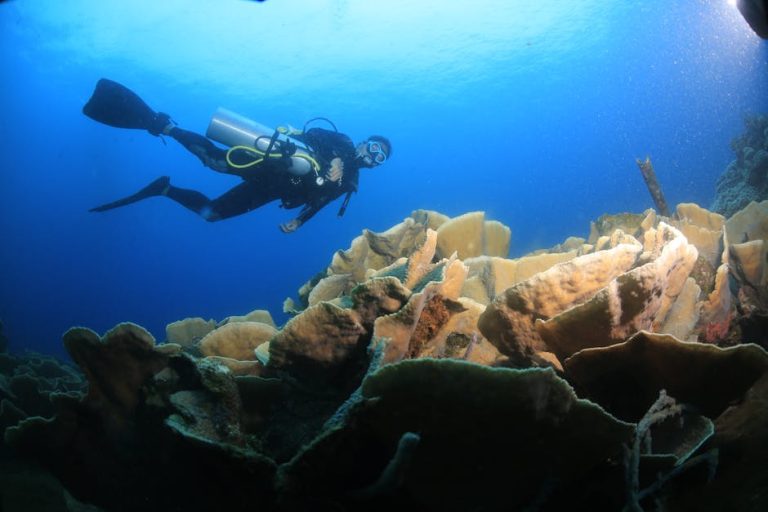
The coral formations at Tayrona are not the towering spur-and-groove systems found further south in the Caribbean. Instead, the reefs here tend toward scattered coral heads, patches of elkhorn and brain coral, and rocky formations interspersed with sandy areas. The depth range is relatively shallow – most diving happens between 30 and 60 feet – which means the reef feels more compressed than sprawling. You’re never far from the surface, and you’re never exploring vast coral gardens. The reef works within constraints.
Fish life, though, is robust. Groupers, snappers, and jacks move through the water with purpose. Parrotfish crunch audibly on the coral. Spotted eagle rays appear regularly, and larger pelagics occasionally pass through. The reef doesn’t feel depleted or overfished in the way some Caribbean sites do. Smaller creatures – nudibranchs, shrimp, crabs – are abundant if you slow down and look. The biodiversity feels genuine rather than orchestrated for tourism.
Diving here requires patience and attention. The reef doesn’t announce itself dramatically. You’re looking at a system that functions primarily for itself, not for the experience of visiting divers. That distinction matters. Some people find this approach refreshing; others find it less visually spectacular than they anticipated.
Logistics and the Reality of Getting Underwater
Most diving at Tayrona happens through operators based in Santa Marta, about 45 minutes to an hour from the park entrance. The boat ride to the reefs takes another 30 to 45 minutes depending on which sites you’re visiting. This means a full dive day involves substantial travel time before you’re even geared up. You’ll leave your accommodation early – often 6 or 7 in the morning – and won’t return until late afternoon. The physical fatigue of travel compounds the fatigue of diving.
The boats themselves are functional but not luxurious. They’re typically open-air speedboats or modest dive vessels designed for the Caribbean swells. Seas can be rough, particularly during the wet season from September through November. Seasickness is a real consideration, and many divers take medication before boarding. The ride out is part of the experience whether you want it to be or not.
Once at the reef, conditions vary by site. Some locations have better mooring systems than others. Drift diving is common because the current often moves you along the reef rather than allowing you to stay in one place. This means you’re constantly moving, which can feel energizing or exhausting depending on your diving style and fitness level. Guides are generally competent and familiar with the sites, but communication underwater can be challenging if your Spanish is limited.
Seasonal Patterns and When to Actually Go
The dry season from December through March offers the most reliable diving conditions. The water is calmer, visibility is more predictable, and the weather feels stable. This is also when the park itself is most crowded with tourists, and dive boats reflect that pressure. You’ll share the water with more divers, and popular sites can feel busy.
The wet season brings heavier rainfall, rougher seas, and more sediment in the water. Visibility often drops below 40 feet. Some divers avoid this period entirely. But the reef itself is less crowded, and if you’re flexible about conditions, you might find a more solitary experience. The trade-off is obvious: fewer divers, worse visibility.
The shoulder seasons – April through May and September through November – sit between these extremes. You’ll encounter variable conditions, occasional rough seas, and moderate crowds. Many experienced divers prefer these periods because they offer a balance and because you’re less likely to encounter the peak-season rush.
What Actually Happens Below the Surface
A typical dive at Tayrona lasts 40 to 50 minutes, with descents to 40 or 50 feet. The reef doesn’t demand deep exploration; most of the interesting life exists in the shallower zones. You’ll move along the reef structure, following your guide, looking for larger fish and interesting coral formations. The rhythm feels methodical rather than adventurous. You’re observing a working ecosystem, not exploring an underwater wonderland.
The water temperature ranges from 78 to 82 degrees Fahrenheit depending on season, which means a thin wetsuit or rash guard is sufficient for most divers. Cold water isn’t a factor here. What you do notice is the current. It’s almost always present to some degree, and managing buoyancy while drifting requires attention. Neutral buoyancy is essential; poor buoyancy control can damage the coral or exhaust you fighting the current.
Photography is possible but requires adjustment. The water clarity and lighting conditions mean you’ll get better results with wide-angle lenses and strobes. Macro photography is less rewarding unless you’re specifically looking for small creatures. Most divers find themselves taking competent but unremarkable photos – the reef doesn’t photograph as dramatically as clearer Caribbean sites.
The Park Itself and Land-Based Context
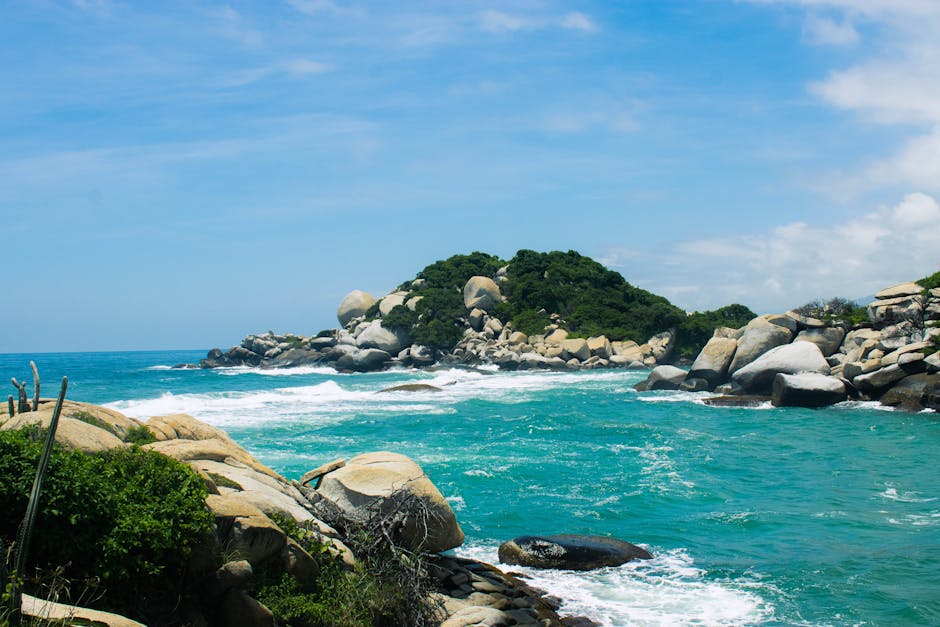
Tayrona National Park encompasses more than just the reefs. The coastal jungle, the beaches, and the archaeological sites add context to the diving experience. Many divers spend time hiking in the park or visiting the beach before or after their dive days. This combination – diving and jungle exploration – is part of what makes Tayrona distinct from pure diving destinations. You’re not just visiting a reef; you’re visiting a place where the reef is one element of a larger landscape.
The park itself has entrance fees and regulations. Access to certain areas requires permits or guides. The infrastructure is modest compared to more developed Caribbean destinations. There are no resorts within the park, and accommodation is limited to basic camping or nearby towns. This rusticity appeals to some travelers and frustrates others. It’s worth understanding before you commit to the trip.
The diving at Tayrona is legitimate and worth experiencing, but it requires realistic expectations. The reefs are healthy, the fish life is present, and the experience feels authentic rather than manufactured for tourism. The visibility can be challenging, the logistics involve substantial travel time, and the underwater landscape is more subtle than dramatic. If you’re seeking world-class Caribbean diving with consistently clear water and dramatic coral formations, there are better options elsewhere. If you’re interested in experiencing a functioning reef system in a less-developed setting, with the bonus of jungle and coastal exploration, Tayrona delivers that experience directly. The distinction between these two approaches determines whether the dive trip feels rewarding or disappointing.