Marathon Key sits in the middle of the Florida Keys, roughly equidistant from Key West and Key Largo. The reef systems and shallow sandbars surrounding it have become the backbone of the local tour industry, drawing snorkelers and casual boaters throughout the year. If you’re considering a tour here, it helps to understand what these trips actually deliver, how the environment changes with season and tide, and what the experience feels like when you’re on the water with twenty other people.
The reef and sandbar tours operate from a handful of marinas along the Overseas Highway. Most tours run half-day trips, usually departing in the morning and returning by early afternoon. Boats vary from smaller center-console vessels that hold around fifteen people to larger catamarans carrying fifty or more. The difference matters. Smaller boats feel more nimble and can access shallower areas, while larger boats tend to be more stable in chop and offer shade structures that become essential in the midday sun.
What distinguishes these tours is the combination of two distinct environments. The reef component takes you to living coral formations where you’ll see parrotfish, grouper, angelfish, and occasionally larger species like nurse sharks or rays. The sandbar portion – often called the Shallow Banks – puts you in water so clear and shallow that you can stand comfortably and see the bottom in all directions. The sandbars shift with storms and seasonal currents, so guides rotate between several known locations depending on conditions.
The Reef Experience and What You’ll Actually See
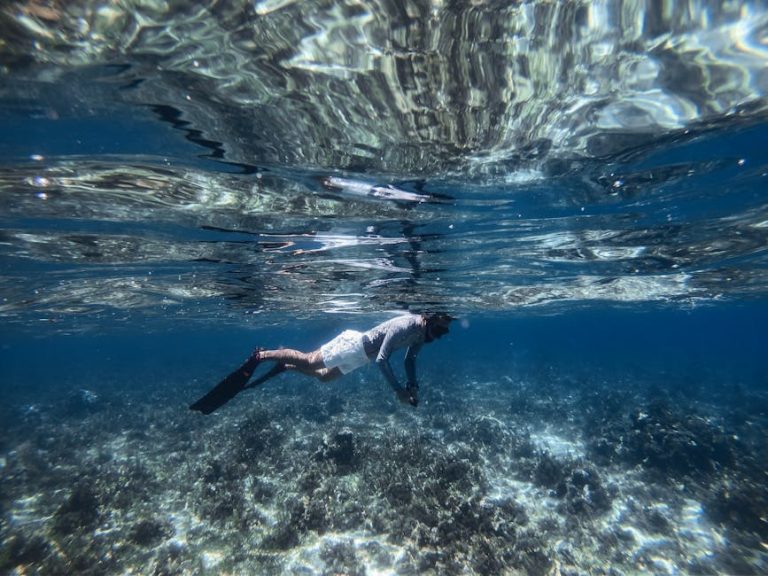
Marathon’s reefs are not pristine. They’ve been stressed by warming water, disease, and decades of boat traffic. You won’t see the dense, towering coral formations you might find in the Caribbean or the South Pacific. What you will see is functional reef ecosystem – scattered coral heads, healthy fish populations, and enough marine life to justify the trip if you manage expectations. The reef here feels more like a working marine neighborhood than a showcase.
Visibility typically ranges from thirty to sixty feet, depending on recent weather and tidal conditions. After a calm week, you get the better end of that range. After storms or heavy rain, visibility drops and the water takes on a greenish tint. Early morning tours often have clearer water than afternoon trips, though the difference is usually modest. You’ll notice the water temperature varies seasonally – it’s genuinely cold in winter (low 70s Fahrenheit) and warm enough to stay comfortable in summer without a wetsuit, though many operators recommend at least a thin rashguard for sun protection and minor coral scrapes.
Check real traveller reviews, prices, availability, departure points, and flexible booking options in one place.
The fish you encounter are accustomed to snorkelers. They don’t flee immediately, but they’re not curious either. You’re observing them in their routine, not interrupting anything dramatic. Parrotfish are common and easy to spot because of their size and color. Angelfish move in tighter schools. Grouper tend to hover near coral heads. If the tour guide points out a spotted eagle ray or a nurse shark, that’s a bonus moment, not the standard experience. Manage your mental image accordingly.
The Sandbar and Shallow Water Portion
The sandbar component is where the tour shifts tone. You’re moved to water typically three to eight feet deep, where you can stand, walk around, and feel genuinely anchored to something. The sand is pale and fine, and the water clarity here often exceeds the reef sections. On a good day, you can see thirty feet in all directions while standing in waist-deep water. It’s a disorienting and pleasant sensation.
This is where families with young children or non-swimmers often feel more comfortable. The psychological difference between floating over a reef and standing on a sandbar is significant. You can set your own pace, rest whenever you want, and move without worrying about drifting. The downside is that fish are less concentrated here than on the reef, so there’s more standing and looking than active snorkeling.
Sandbars also attract stingrays, particularly in warmer months. They’re harmless if you don’t step directly on them, and the standard guidance – shuffle your feet rather than stepping – works. You’ll likely see several during a visit. They’re more common than most reef fish and often closer to the surface, so they tend to be the most memorable wildlife encounter for casual snorkelers.
Timing, Crowds, and Seasonal Patterns
Winter (December through March) brings the most visitors. The weather is cooler, water conditions are generally stable, and the Keys are packed with people escaping northern cold. Tours run full boats, and the sandbar areas feel crowded. You’re sharing space with many other snorkelers, which changes the atmosphere. The water is cold enough that most people wear wetsuits, which is practical but makes you feel more encumbered.
Summer tours are quieter, with fewer boats and more space to move around. The tradeoff is heat. The sun is intense, the water is warm but so is the air, and afternoon tours become exhausting. Early morning departures are strongly preferable in summer. You’ll also encounter more marine life activity in summer, though water visibility can be less consistent due to afternoon thunderstorms.
Shoulder seasons – April through May and September through November – tend to offer the best balance. Fewer crowds than winter, more stable conditions than summer, and comfortable water temperature. September and October carry hurricane season risk, which occasionally forces cancellations, but the week-to-week conditions are often excellent.
Practical Considerations for the Day
Tours typically last three to four hours total, including travel time to and from the reef and sandbar. The actual snorkeling time is usually around ninety minutes split between the two locations. That sounds short until you’re in the water and realize that ninety minutes of continuous snorkeling is genuinely tiring, especially if you’re not a regular swimmer.
Bring sunscreen and reapply it before entering the water, even if it says waterproof. The sun reflects off the water and intensifies the exposure. Wear a rash guard or wetsuit for sun protection as much as for warmth. The reef can have sharp coral and sea urchins, and minor cuts happen easily. Reef shoes or water booties are useful, though not always required.
Seasickness is a real factor. The boat ride to the reef can be bumpy depending on wind and tide. If you’re prone to motion sickness, take medication before departure. The larger catamarans are more stable than smaller boats, which matters on rougher days. Morning trips tend to have calmer conditions than afternoon trips, as wind typically picks up through the day.
Bring a waterproof bag for your phone and valuables. The boat has limited secure storage, and theft from unattended bags does happen. Most tour operators provide snorkeling gear – mask, fins, snorkel – but the fit is often mediocre. If you have your own equipment, bring it. A properly fitting mask makes the difference between a frustrating trip and an enjoyable one.
What Sets Different Tour Operators Apart
Several companies run tours from Marathon, and the differences are subtle but worth considering. Larger operations tend to have more departures, which means you have scheduling flexibility. Smaller operators often provide more personalized attention and can be more flexible about where they take you based on conditions. Some boats focus on snorkeling, while others combine snorkeling with fishing or other activities.
Reading recent reviews gives you a sense of current boat condition and guide quality, but reviews can be misleading because expectations vary widely. Someone disappointed by lack of large fish might give poor marks to an operator that actually provides good value for casual snorkelers. Look for reviews that mention specific details – boat condition, guide knowledge, crowd management – rather than general satisfaction ratings.
Price differences between operators are usually modest, typically ranging from sixty to ninety dollars per person. The cheaper options aren’t necessarily worse; they’re often just smaller operations with less marketing. The expensive options aren’t necessarily better either. Mid-range pricing with consistent positive reviews about boat maintenance and guide experience is usually the safest choice.
The reef and sandbar tours around Marathon Key deliver what they promise: a few hours on the water with close-up views of coral reef life and a chance to stand on a shallow sandbar in clear water. They’re not transformative experiences, but they’re solid half-day activities that work well if you’re spending time in the Keys and want to see something of the marine environment. The experience varies with season, weather, and your own comfort level in the water. Going in with realistic expectations about what the reef looks like and how crowded things can get will leave you satisfied rather than disappointed.
Compare top-rated tours, prices, availability, and real traveller reviews before booking. See what’s actually available for your dates and departure location.
Compare tours and check availability