Biliran sits in the Eastern Visayas, a small island province that most travelers pass through on the way to somewhere else. It’s positioned between Leyte and Samar, close enough to feel remote but accessible enough that you can organize a boat trip in an afternoon. The island hopping experience here is different from the crowded tours you find in Palawan or Coron. Fewer boats mean fewer people underwater, though it also means less infrastructure and more dependence on whoever’s running your trip that day.
A typical island hopping tour departs early morning, usually between 7 and 8 AM. The boats are small – usually outrigger-style bangkas that fit 8 to 15 people depending on the operator. You’ll meet your boatman and guide at the pier, often in the town of Naval, which is the main jump-off point. The water is usually calm at that hour, though the ride out can still be wet if there’s any swell. Most tours last six to eight hours and include two or three island stops, snorkeling at a reef or two, and lunch prepared either on a sandbar or back on the boat.
The First Hour and What You Notice
The initial boat ride takes you past fishing villages and through shallow water where you can see the seafloor clearly. It’s not dramatic scenery – it’s functional, lived-in coastline. You’ll pass other boats, see nets being cast, watch locals going about their morning. The guides on these tours are usually friendly but not chatty in the way you might expect. They’re working, watching the water, checking equipment. Conversation happens, but it’s not forced.
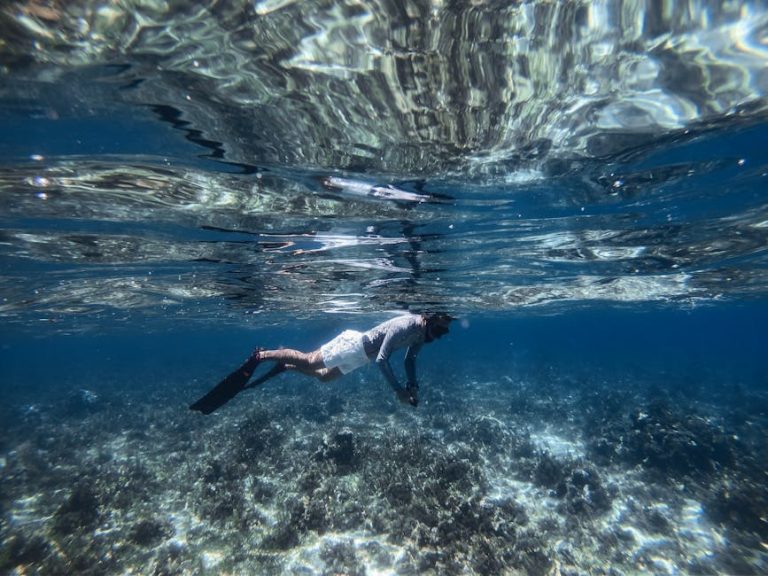
The first stop is often a smaller island with a white sand beach and shallow water. This is where you get your first snorkel. The coral here is decent but not pristine – it’s been visited many times, and you’ll see the wear. The water clarity depends entirely on the season and recent weather. During the dry season (roughly November to April), visibility is better. In the rainy months, it can be murky and underwhelming. The reef life is still there – parrotfish, surgeonfish, the occasional grouper – but it’s not the kind of explosion of color you see in marketing photos.
Lunch and the Middle Hours
By mid-morning, hunger becomes a real factor. Most tours include lunch, typically prepared by the boatman or sourced from a local vendor. You’ll eat on a sandbar if one is available, or on the boat itself if conditions aren’t ideal. The food is usually simple – grilled fish, rice, vegetables, sometimes a soup. It’s filling and tastes better than you’d expect given the circumstances. The lunch break is longer than you might think necessary, often an hour or more. This is partly practical (the crew needs to eat too) and partly because there’s no reason to rush.
Check real traveller reviews, prices, availability, departure points, and flexible booking options in one place.
The middle of the day brings heat and a certain fatigue that isn’t just physical. You’ve been in the sun, in and out of salt water, moving between boats and islands. Your skin is tight from salt. The novelty of the first snorkel has worn off. This is when you notice the rhythm of the day – it’s not about constant activity or checking boxes. It’s about moving slowly between places, waiting for boats to be readied, watching the water change color as clouds pass overhead.
The Second and Third Stops
The afternoon snorkeling is often at a different reef, sometimes in slightly deeper water. The fish populations are similar to the morning spot, but the experience feels different simply because you’re tired and the light is different. If you’re lucky, you might see something unexpected – a sea turtle, a larger grouper, a school of jacks moving through. These moments aren’t guaranteed, and they’re not the point of the trip. They’re just what happens sometimes.
Some tours include a stop at a small island with a lagoon or a cave. These are genuinely interesting from a geological perspective, but they’re also brief. You wade through shallow water, look at rock formations, take photos, and move on. The real value is the change of scenery rather than any particular landmark.
The Reality of Snorkeling Here
The snorkeling in Biliran is functional rather than exceptional. The reefs are alive and worth seeing, but they’re not the kind of pristine underwater gardens you might imagine. The water temperature is warm year-round, which is comfortable. The depth at most snorkel sites is manageable – usually between 5 and 15 meters. You won’t need advanced diving skills. A decent snorkel set is useful, though most operators can provide one if needed. The quality varies, so bringing your own mask and snorkel is worth considering if you’re particular about fit.
What you see underwater depends partly on luck and partly on the time of day and season. Early morning snorkels tend to have more fish activity. Afternoon snorkels are calmer. The reef fish here are used to boats and people, so they don’t scatter immediately. You’ll get reasonably close to them without much effort. Larger marine life is less common than in deeper diving areas, but it’s not impossible to encounter something substantial.
Practical Realities
The boats are safe but basic. There are no cushioned seats, no shade beyond a canvas canopy, no fresh water readily available. Bring more water than you think you’ll need. Sunscreen is essential – the sun reflects off the water and you’ll burn faster than expected. A rash guard or lightweight long-sleeve shirt helps more than you’d think. The boat ride back can be rougher than the outbound trip if afternoon winds pick up, which they often do.
Your guide will speak English, though with varying levels of fluency. They know the reefs and islands well but aren’t trained naturalists. They can point out fish and explain basic information, but don’t expect detailed ecological commentary. They’re there to keep you safe and move the tour along.
The cost of these tours is reasonable – typically between 800 and 1500 Philippine pesos per person depending on the operator and what’s included. Lunch is usually factored in. The boats are privately arranged rather than part of an organized tour company, so you’re essentially hiring a boatman and their equipment for the day. This means quality and experience vary. Asking at your accommodation about reputable operators is more reliable than booking through a website.
When to Go
The dry season offers better water clarity and more stable weather. The boats still run in the rainy season, but you’re more likely to encounter rough water and reduced visibility. The busiest times are weekends and Philippine holidays, when you might share the reef with other boats. Weekday trips are quieter, though this doesn’t necessarily mean better snorkeling – it just means fewer people around.
The day ends when you return to the pier, usually between 3 and 4 PM. You’re tired, salt-crusted, and sunburned despite precautions. The experience doesn’t feel like an adventure in the way tourism language suggests. It feels like a day on the water – interesting, pleasant, and real in a way that staged experiences aren’t. You’ve seen coral, fish, islands, and eaten lunch on a boat. You’ve spent time in a place most tourists never visit. That’s enough.
Compare top-rated tours, prices, availability, and real traveller reviews before booking. See what’s actually available for your dates and departure location.
Compare tours and check availability