The Coral Sea sits off Australia’s northeast coast, and it’s one of those places where the ocean floor drops away so suddenly that you feel the shift in your chest before the depth gauge even registers it. Most travelers who visit the Great Barrier Reef stay in the shallows, moving between coral gardens and sandy patches where the light still reaches easily. Beyond the reef edge is different. The water deepens quickly. The pressure changes. The light takes on a different quality – bluer, colder, more deliberate.
Getting out to deep water expeditions in the Coral Sea requires commitment. You’re looking at boat trips that leave from Cairns or Port Douglas, usually before dawn. The journey itself takes several hours depending on which dive sites the operator targets. Most expeditions head to locations like the Ribbon Reefs, the Cod Hole, or various seamounts and drop-offs that sit well beyond the main reef line. The boats are purpose-built, equipped with compressors, dive platforms, and enough space to manage groups of divers in varying conditions. You’ll spend time on the water that feels longer than it probably is, watching the reef gradually fade behind you and the ocean color shift from turquoise to deep blue.
The Physical Reality of Deep Water Diving
Diving beyond the reef edge is not the same as diving in shallow coral gardens. The depth alone changes everything. Most dives in this region sit between 25 and 40 meters, which means you’re dealing with nitrogen narcosis, shorter bottom times, and the need for proper decompression planning. Your air consumption increases noticeably. The cold is more present – water temperature drops as you go deeper, and even in summer months, you’ll feel the chill below 30 meters.
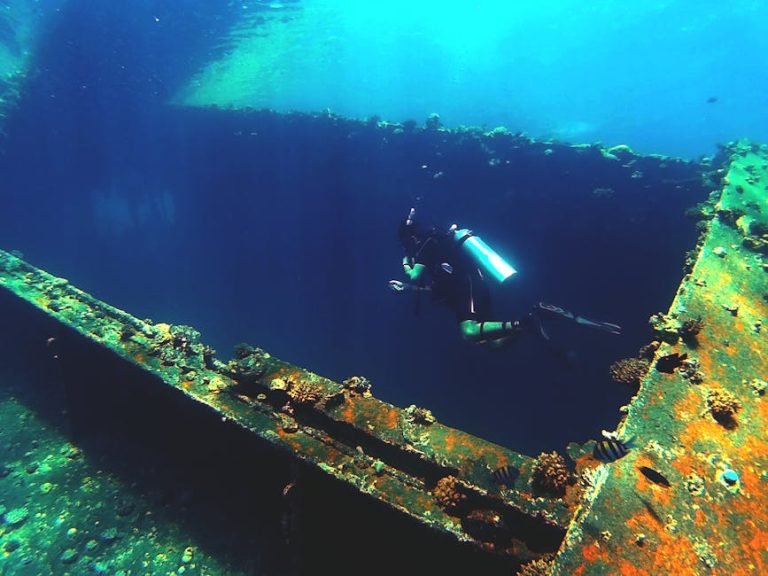
The current is another factor that separates deep water diving from shallow reef work. The Coral Sea experiences strong tidal movements and open ocean swells. Some days the current is manageable; other days it’s pushing you sideways with enough force that you need to work to maintain position. Drift diving is common here, which means you descend, follow the reef or feature, and let the current carry you along. It requires a different mindset than anchored diving. You can’t hover in one spot indefinitely. You move with the water.
Visibility varies more than many divers expect. The Coral Sea has days when visibility stretches beyond 50 meters, and the water feels impossibly clear. It also has days when visibility drops to 15 or 20 meters, and the reef becomes a more intimate, enclosed experience. Seasonal patterns matter. The dry season from May through October generally offers better visibility and calmer conditions. The wet season brings heavier rainfall, stronger currents, and more unpredictable water clarity. Most operators schedule their deep water expeditions during the drier months for this reason.
Check real traveller reviews, prices, availability, departure points, and flexible booking options in one place.
What You Actually See Down There
The marine life in deep water sections of the Coral Sea operates on different rules than shallow reef environments. You’ll see fewer small fish and more large predators. Sharks are common – wobbegongs, reef sharks, occasionally larger species. They’re typically indifferent to divers, but their presence is noticeable. Groupers and large snappers patrol the deeper sections. Trevally move through in schools. The fish are bigger here, more cautious, less accustomed to human interaction than their shallow-water cousins.
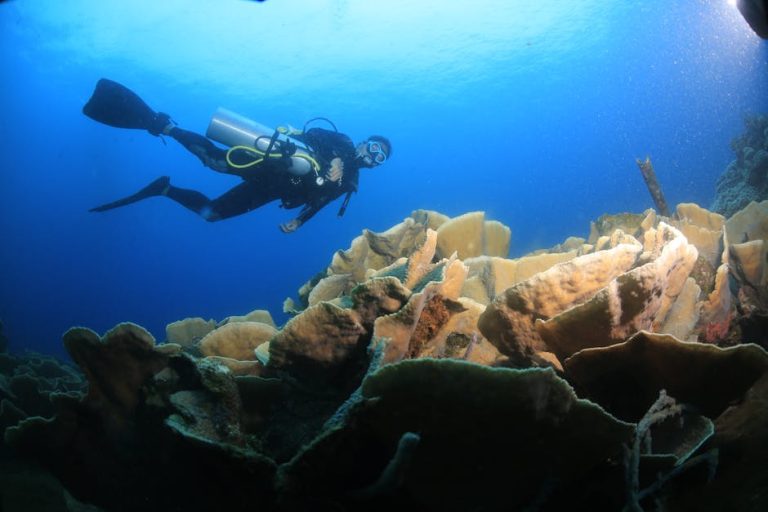
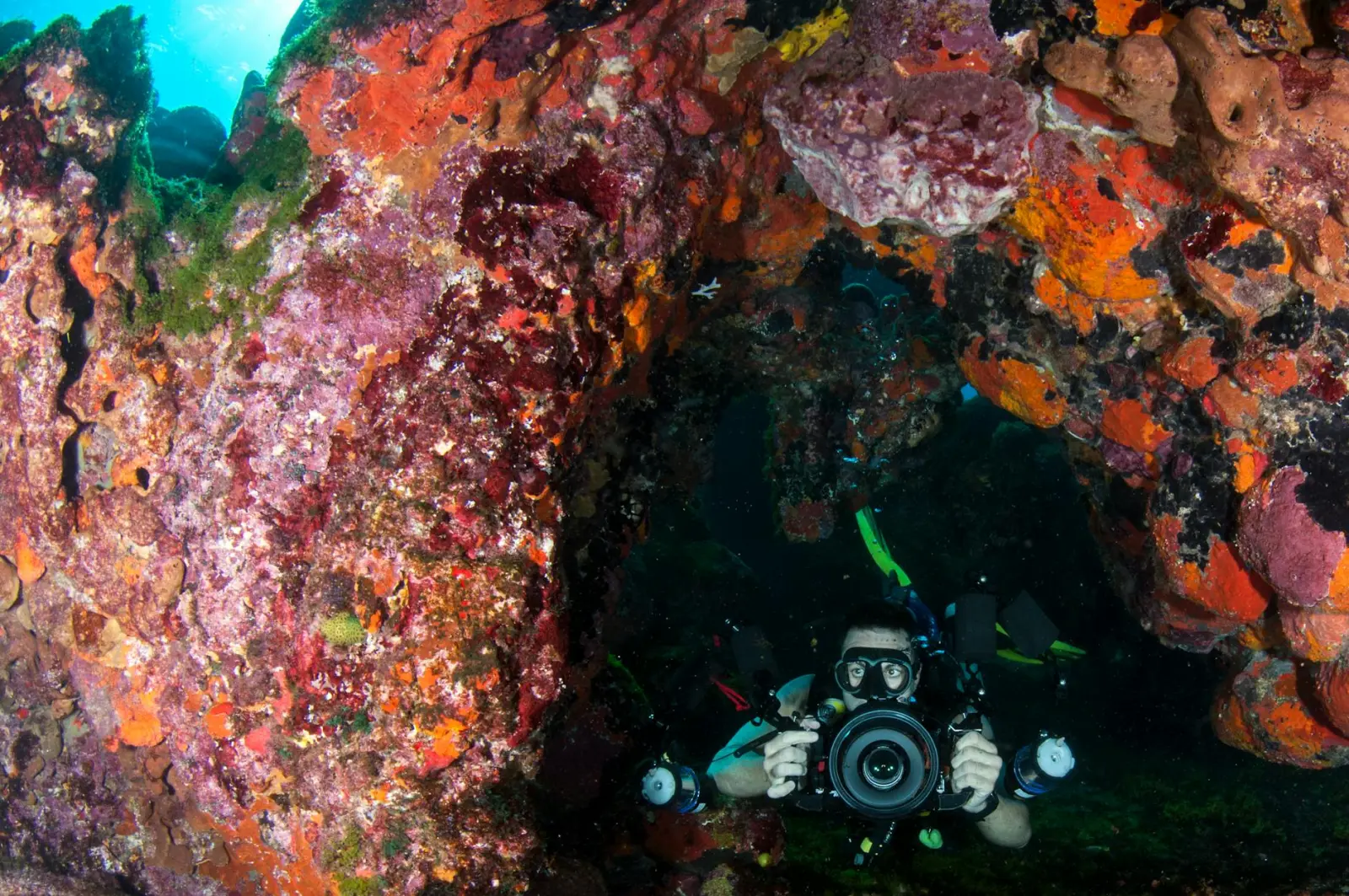
The coral formations change too. Deep water corals grow differently – slower, more sparse in some areas, more densely packed in others. Soft corals and gorgonians dominate deeper sections. The hard coral gardens that characterize shallow reefs give way to sponges, sea fans, and other filter feeders. The colors shift. Without the full spectrum of sunlight penetrating to depth, reds and oranges disappear from view. Everything takes on blue and purple tones. Your dive light becomes essential not just for seeing detail but for revealing the true colors of organisms.
Macro life exists in deep water, but you have to look for it. Nudibranchs, small crustaceans, and cryptic fish hide in crevices and among coral branches. Many divers find the deep water sections less visually dramatic than shallow reefs, but more interesting from a behavioral perspective. The animals here seem more genuinely wild, less accustomed to being observed.
Timing, Fatigue, and Practical Constraints
A typical deep water dive day starts early. You’re on the boat by 6 or 6:30 a.m., heading out while the light is still soft and the water relatively calm. The boat ride takes time. You’ll spend two to three hours traveling to the dive site. During this time, you’re sitting on a moving vessel, feeling the swell, listening to the engine, waiting. Some people sleep. Others watch the coastline fade. There’s a rhythm to it that feels slower than land-based travel.
Once you reach the site, the actual diving window is compressed. A 40-meter dive might give you 15 to 20 minutes of bottom time before you need to begin ascending and managing decompression stops. A 30-meter dive extends that to perhaps 30 minutes. You’re not spending hours at depth. You’re making efficient use of limited time. This requires focus and good buoyancy control. Mistakes in depth management or air consumption become more consequential.
Most expeditions include two dives per day. The first dive happens in the morning after arrival. You surface, spend time on the boat – eating, rehydrating, resting – and then prepare for a second dive in the afternoon. By the time you’re back on the boat heading toward shore, you’ve been awake for 12 or more hours. You’re tired in a specific way that comes from being underwater, managing pressure, and concentrating on safety. The boat ride back feels longer than the morning journey, even though it’s the same distance.
Seasonal Patterns and Conditions
The Coral Sea has distinct seasons, and they matter more for deep water diving than for casual snorkeling. The winter months – June through August – bring cooler water, excellent visibility, and generally calmer conditions. Dive suits thicker than 3mm are common. The water temperature sits around 22 to 24 degrees Celsius. It’s cool enough to notice, but not so cold that it becomes uncomfortable for experienced divers.
Summer and early autumn bring warmer water, occasional rain, and less predictable conditions. Visibility can be excellent or mediocre depending on recent weather. Water temperature reaches 28 to 29 degrees Celsius, which feels warm but also means less thermal protection is necessary. The trade-off is that summer brings higher boat traffic, more tourists, and busier dive sites.
Storm season – November through March – is generally avoided for deep water expeditions. The risk of rough seas, strong currents, and poor visibility increases. Most operators either don’t run deep water trips during this period or run them less frequently. If you’re planning a dive expedition to the Coral Sea, understanding the seasonal window is crucial for getting the conditions you’re hoping for.
Deep water diving in the Coral Sea isn’t about relaxation or casual exploration. It’s a more technical, deliberate form of diving that requires proper training, good physical conditioning, and realistic expectations about what the experience involves. The rewards are real – seeing large marine animals in their natural state, understanding how reef ecosystems function at depth, experiencing the ocean in a way most people never do. But the experience is earned through early mornings, time on a moving boat, careful attention to safety protocols, and acceptance that the ocean operates on its own schedule, not yours.
Compare top-rated tours, prices, availability, and real traveller reviews before booking. See what’s actually available for your dates and departure location.
Compare tours and check availability