The Whitsundays sit off the Queensland coast like a scattered handful of islands, 74 of them in total, most uninhabited and accessible only by water. A seven-night small-ship cruise through this region means anchoring at seven different spots across the archipelago, each one offering a different angle on what the reef and island environment actually feels like when you’re living on the water rather than visiting from shore.
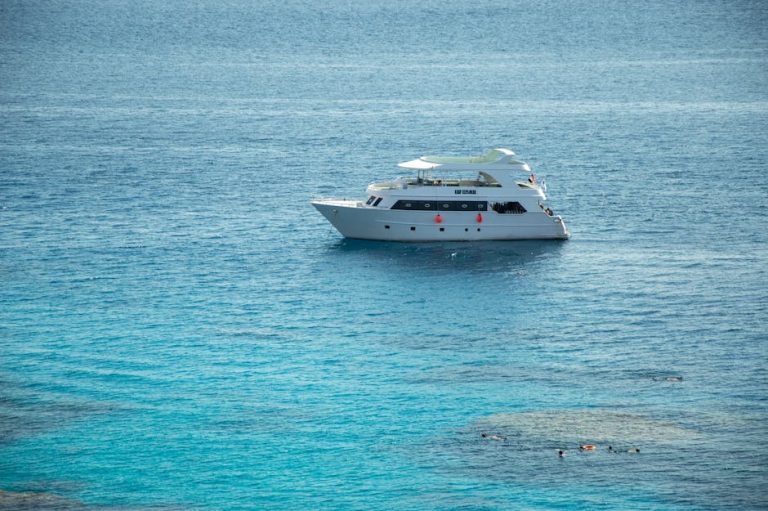
Small-ship cruising here operates differently than the larger resort-based island hopping most people imagine. You’re on a vessel with perhaps 40 to 80 other passengers, anchored in shallow bays where the water is clear enough to see the seabed from deck level. The rhythm is slower. There’s no rushing to a scheduled departure time because the ship is your accommodation and your transport combined. You wake where you anchored the night before, and the day unfolds around whatever the captain and crew have planned for that anchorage.
The first night often feels disorienting in a way that catches people off guard. You’re in motion for several hours leaving the mainland, and by evening you’re anchored in a bay you’ve never seen before. The water is still. The island rises behind you. There’s no engine noise, no traffic sounds, just the occasional call of a bird and the ambient hum of the ship’s systems. Sleep comes differently on a moving vessel, even when it’s anchored. Your body registers the slight sway and the subtle changes in air pressure. By the second night, most people stop noticing it.
The Anchorages and What They Offer
The seven anchorages on a typical small-ship itinerary usually include Whitehaven Beach, Cid Harbour, Langford Island, Hook Island, Hayman Island waters, and various reef anchorages depending on the operator and season. Each serves a different purpose in the cruise’s rhythm.
Whitehaven Beach is the one everyone knows about. It’s a long stretch of white sand on Whitsunday Island, and yes, it’s genuinely striking when you approach it from the water. The sand is fine and almost unnaturally white, composed of silica rather than coral fragments. When you anchor offshore and take the tender in, the water is shallow and clear enough that you can see the ripples in the sand beneath you. The beach itself fills with passengers from your ship and others anchored nearby, so the experience is less about solitude and more about understanding why this particular beach became famous. The light is harshest midday. Early morning or late afternoon, when the sun angles lower, the color palette shifts and feels less crowded psychologically, even if the same number of people are present.
Cid Harbour, on Whitsunday Island’s western side, is calmer and more protected. It’s used as an anchorage point rather than a destination in itself, but it’s where you notice the difference between exposed and sheltered water. The wind that might have been noticeable during the day settles here, and the water takes on a glassy quality. Snorkeling off the back of the ship is possible from certain anchorages, and Cid Harbour is one where this works well. The reef here is less dramatic than some others, but it’s accessible and the visibility is usually good.
Langford Island and the surrounding reef system represent the marine park side of the cruise. These are the spots where the small ship’s advantage becomes clear. Larger vessels can’t access the shallower reef areas, and even if they could, they couldn’t anchor as precisely. Snorkeling from a small-ship anchor point means you’re in the water within minutes of breakfast, and you can return to the ship whenever you want rather than being locked into a scheduled tour window. The coral here is varied. You see table corals, branching corals, and the usual reef fish. The water clarity depends heavily on season and recent weather. In the dry season (roughly May to October), visibility can be excellent. In the wet season, it’s more variable.
The Daily Rhythm and Practical Realities
A seven-night cruise doesn’t mean seven different anchorages in seven consecutive days. The ship moves at night or early morning, and some days you’re anchored at the same spot for more than 24 hours. This affects how you experience the destination. You see the same bay in different light. You notice how the wind changes through the day. You understand the tidal patterns because you’re watching them from a fixed point.
Meals happen on a schedule. Breakfast is usually early, around 7 or 7:30 a.m., which means you’re awake and fed before most water activities begin. Lunch is midday, often lighter. Dinner is the main event, served in the evening after the day’s activities have finished. The ship’s kitchen operates within the constraints of what can be stored and prepared on a vessel, so don’t expect the variety or sophistication of a land-based restaurant. The food is adequate and repetitive in the way ship food tends to be. Fresh fruit and vegetables appear early in the cruise and diminish as the week progresses.
Snorkeling and swimming are the primary activities, along with occasional guided walks on islands where landing is permitted. The snorkeling is genuinely worthwhile if you have any interest in reef environments. You’re not in the water for hours at a time, but rather in 45-minute to hour-long sessions. Your hands and feet adjust to the water temperature quickly, though wetsuits are recommended even in warmer months because you’ll spend enough time in the water that the temperature becomes relevant. The reef fish are accustomed to snorkelers and don’t flee as dramatically as they might in less-visited areas.
Weather matters significantly. The Whitsundays sit in a region prone to sudden wind changes and occasional rough water. A cruise scheduled for calm seas might encounter a weather system that makes certain anchorages uncomfortable or inaccessible. The ship’s captain has flexibility in where to anchor, and itineraries can shift. This is presented as an advantage of small-ship cruising, and it is, but it also means your planned itinerary might change. If you’ve mentally committed to a specific island or reef, you need to be flexible about that commitment.
Seasonality and What You Actually Experience
The dry season (May through October) is the popular time for Whitsunday cruising. The weather is more predictable, the water is clearer, and the air temperature is comfortable without being oppressive. Crowds are higher during school holidays and peak tourism months. The wet season (November through April) brings humidity, occasional rain, and the possibility of cyclones. Water clarity can suffer after heavy rain because runoff from the islands affects visibility. Fewer ships operate during this period, which means less crowding but also less frequent departures.
The reality of the Whitsundays is that they’re a working marine park, not a pristine wilderness. There are other ships anchored nearby. You share the reef with other snorkelers. The islands have marked trails and designated landing areas. This doesn’t diminish the experience, but it’s important to arrive with realistic expectations. You’re not discovering untouched reef. You’re visiting a well-managed marine environment that has been visited by thousands of people before you and will be visited by thousands after.
Small-ship cruising here offers something genuine that larger vessels can’t replicate: the ability to anchor in specific locations, move at a slower pace, and spend extended time in individual bays. The experience is meditative in a way that rushed island hopping isn’t. You wake in the same bay where you fell asleep. You understand the place through repetition and observation rather than through a series of quick visits. Whether that appeals to you depends on what you’re actually seeking from a coastal cruise. If you want activity and variety, a seven-night small-ship cruise might feel slow. If you want immersion and a sense of place, it delivers that consistently.