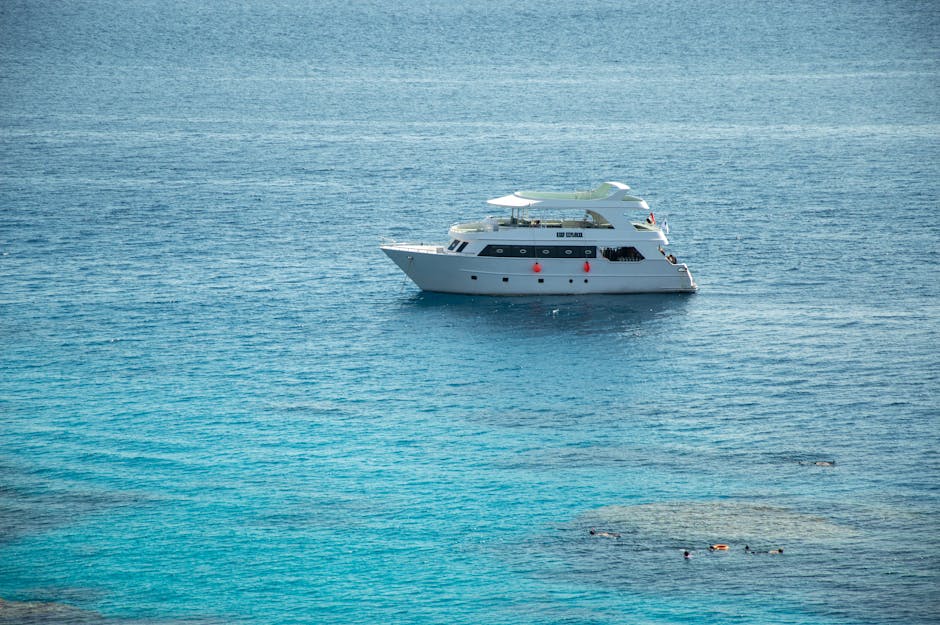
A Red Sea yacht cruise with snorkeling isn’t quite what the booking photos suggest. The water is genuinely clear – that part isn’t marketing. But clarity and what you actually see are two different things, and the experience shifts dramatically depending on where your boat goes, what time of year you’re traveling, and honestly, how much patience you have with other snorkelers in the same patch of reef.
The Red Sea sits between Egypt and Saudi Arabia, bordered by desert coastline that drops into surprisingly deep water. The reefs here have developed in isolation for millennia, which means the coral and fish populations are distinct from what you’d encounter in the Caribbean or Southeast Asia. The water stays warm year-round, but the conditions – visibility, current strength, wind patterns – vary enough that the same cruise in different seasons feels like different destinations entirely.
Most yacht cruises operate from either Hurghada or Sharm el-Sheikh on the Egyptian side. These aren’t small fishing villages. They’re established resort towns with infrastructure, dive shops, and enough tourism apparatus that you won’t feel stranded. The boats themselves range from small speedboats that take maybe 12 people to larger vessels with 40 or 50 passengers. The size matters more than you’d think, not for comfort but for how the reef experience actually unfolds.
The Morning Departure and What the Water Reveals
Most cruises leave early, often around 7 or 8 in the morning. This timing isn’t arbitrary. The sea is calmer before wind picks up, visibility tends to be clearest in early light, and you get to the first reef site before larger tour groups arrive. If you’re on a boat with 15 people instead of 50, the difference in the water is noticeable. Fewer snorkelers means less sand kicked up from the seafloor, less disturbance to the fish, and more space to actually move without bumping into someone else’s fins.
The water temperature hovers around 26 – 28°C (79 – 82°F) depending on season. Winter months (November through March) are slightly cooler and attract different marine life patterns. Summer brings warmer water and occasional thermocline layers where you’ll drop into noticeably colder water at depth. Most people don’t need a wetsuit, though a thin rash guard helps with sun protection and minor scrapes against coral.
Visibility typically ranges from 15 to 30 meters on a good day. This means you can see across a reef section clearly, spot fish at distance, and get a genuine sense of the reef structure. On rougher days or after strong currents, visibility drops to 8 – 12 meters, which still feels clear compared to many other snorkeling destinations but changes how the reef feels. You’re closer to the coral, more aware of individual fish rather than schools, and the experience becomes more intimate and less panoramic.
The Reefs and What Actually Lives There
Red Sea reefs are dominated by hard corals – branching acropora, table corals, massive brain corals – rather than the soft coral gardens you might see elsewhere. The fish populations include species you won’t find in other regions. Bluefin trevally patrol the deeper edges. Parrotfish crunch coral audibly. Goatfish root around the sandy patches. Groupers hide in crevices. The smaller reef fish – damsels, wrasses, butterflies – are everywhere, but they’re often skittish around snorkelers, which means you see them briefly before they dart away.
The reality of snorkeling here is that you’re floating above a living system that doesn’t particularly care about your presence. The fish aren’t tame. They won’t gather around you expecting food. The coral isn’t glowing in impossible colors – it’s mostly browns, tans, and muted greens with occasional bright patches. This sounds less dramatic than the photos, and it is, but it’s also more honest. The reef is functional, not decorative.
Larger marine life – rays, sharks, sea turtles – do exist in the Red Sea, but encountering them on a standard yacht cruise snorkel is luck rather than expectation. You might see a reef shark in the distance, or a ray gliding past, but these sightings aren’t guaranteed. The reef sharks are generally harmless and avoid snorkelers anyway. If you’re specifically hunting for larger animals, you’d need to book a dedicated diving trip or liveaboard that goes deeper and further offshore.
The Boat, the Lunch, and the Rhythm of the Day
Between snorkel sites, you’re on the boat. This is where the experience either feels relaxed or tedious depending on the vessel and the people aboard. Smaller boats mean shorter travel times between reefs but also more exposure to sun and wind. Larger boats offer shade, seating, and sometimes a small cabin, but they take longer to reach sites and feel more crowded.
Lunch is typically served around midday, either on the boat or on a beach. The food is usually straightforward – grilled fish, rice, salad, bread, some kind of sauce. It’s edible and often decent, but it’s not a highlight of the experience. The quality varies wildly depending on the operator. Some boats prepare fresh meals. Others serve something that’s been sitting in containers since morning. Bring your own snacks if you have strong preferences. The meal break also serves a practical purpose: it gives you time to dry off, rest from sun exposure, and eat before heading out for afternoon snorkeling.
The boat crew typically includes a guide who knows the reefs, a captain, and sometimes a deckhand. The guide’s knowledge varies. Some are genuinely knowledgeable about marine life and reef ecology. Others are primarily there to make sure no one drowns. Ask questions and gauge what you’re getting. A good guide will point out things you’d miss – specific fish species, coral types, behavioral patterns. A mediocre one will just point vaguely at the reef and say “fish.”
Practical Realities and Seasonal Patterns
Wind is a constant factor. The Red Sea can get windy, particularly in spring (March through May). Windy conditions mean rougher water, reduced visibility, and a less comfortable boat ride. Calmer seas typically occur in late autumn and early winter (September through November). Summer (June through August) is hot on the boat and brings occasional heat haze that reduces visibility slightly, but the water is at its warmest and calmest.
Crowds are heaviest during European winter holidays (December through early January) and Easter weeks. If you’re booking during these periods, expect more boats at popular reef sites and less solitude in the water. Shoulder seasons – late October through November and February through March – offer a balance of decent conditions with fewer tourists.
Sunburn is a real concern. The sun reflects off the water, and you’re exposed for hours. Reef-safe sunscreen is important for the marine environment, though honestly, the amount of sunscreen in the water from all the snorkelers probably doesn’t matter much compared to other stressors on the reef. Still, use it. Wear a hat on the boat. Plan for at least one moment when you’re going to regret not being more careful with sun protection.
Getting in and Out of the Water
Most boats use a ladder or platform for entry and exit. This is straightforward unless you’re tired, the boat is moving, or you’re wearing fins and trying to coordinate multiple body parts. It’s not dangerous for most people, but it’s worth knowing you’ll be doing this repeatedly throughout the day. If you have mobility concerns or aren’t a strong swimmer, mention this when booking. Some operators are better equipped to handle this than others.
The actual snorkeling involves floating on the surface, breathing through a tube, and looking down. You’re not diving deep. The reef is visible from the surface, and most of what you’ll see is in the 2 – 8 meter range. If you’re not comfortable with your snorkeling technique, practice in shallow water before the cruise. Panicking in the water is unpleasant and ruins the experience for everyone nearby.
Currents are common on Red Sea reefs. Some sites have mild drift, others have strong pulls. The crew will brief you on this, and most snorkelers handle it fine by staying near the boat or moving with the current rather than fighting it. If you’re not confident in the water, stick to sites with minimal current or stay in shallower areas where you can touch bottom if needed.
A Red Sea yacht cruise with snorkeling is a straightforward way to see coral and fish without the commitment of learning to dive. The reefs are genuinely worth seeing, the water is clear, and the experience is accessible to most reasonably fit adults. It’s not transformative or mystical. It’s a few hours in the water looking at marine life, with some boat time and lunch in between. That’s honest enough.