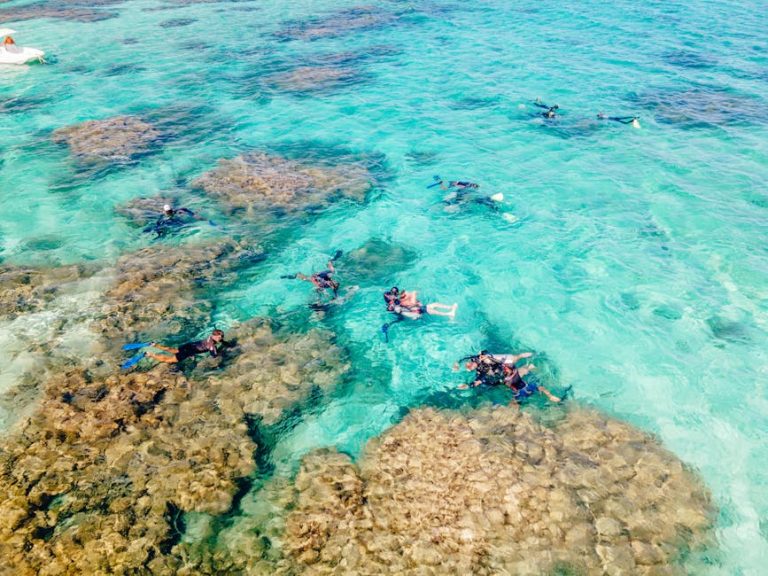
Reef snorkeling changes dramatically depending on when you visit, and most travelers don’t realize how much the season shapes the entire experience until they’re already in the water. The difference between visiting during peak season and shoulder months isn’t just about how many people are around – it affects water clarity, the fish you’ll see, how long you can comfortably stay submerged, and even whether the reef itself feels alive or subdued.
If you’ve snorkeled before, you know the basic rhythm: mask on, breathe through the tube, watch the underwater world drift by. But seasonal timing changes what that world actually looks like. In some seasons, you’re swimming through crystal water with visibility stretching 80 feet or more. In others, you’re peering through a haze where 20 feet feels generous. The fish behavior changes too. Some species cluster together during certain months; others scatter or disappear entirely. Water temperature swings can be significant enough that you’ll need a wetsuit in winter months where you’d have been fine in just swim shorts during summer.
Winter and early spring snorkeling
Winter months in most reef destinations – roughly November through March depending on location – bring calmer seas and often the clearest water of the year. This is when many serious snorkelers plan their trips, and for good reason. The water tends to be colder, which sounds unappealing until you realize that cooler water usually means better visibility and more stable conditions. Tropical reefs in winter often have visibility in the 60 to 100-foot range, which means you can actually see the reef structure, spot fish from a distance, and watch the ecosystem function without constantly adjusting your position.
The trade-off is that everything moves slower in winter. Fish are less active. Coral polyps retract more. The overall energy of the reef feels muted compared to warmer months. You’ll still see plenty – groupers, snappers, parrotfish, the usual reef residents – but they’re not as vibrant or as densely packed. The water is cool enough that even in tropical locations, you might feel a slight chill after 30 or 40 minutes of floating. If you’re sensitive to cold, a thin wetsuit becomes essential rather than optional.
Winter also means fewer tourists in most reef destinations, which changes the atmosphere significantly. You might have entire sections of reef to yourself, especially if you snorkel early in the morning before the tour boats arrive. The reef feels quieter, more contemplative. There’s less boat traffic, fewer shadows crossing above you, and you can actually hear the underwater soundscape – the clicks and pops of fish, the subtle movement of water.
Summer and warm-water seasons
Summer months bring warmer water, higher temperatures, and typically the most crowded conditions at popular reef sites. Water temperature climbs into the 80s Fahrenheit or higher, which feels pleasant for the first hour but can become exhausting if you’re in the sun for most of the day. The warmth also brings more tourists, more boats, and more people in the water at once. Popular reef sites during peak summer can feel genuinely crowded – dozens of snorkelers, multiple tour groups, boats anchored everywhere.
What you gain in comfort and crowds, you sometimes lose in visibility. Warm water often brings more plankton, which can reduce visibility to 30 to 50 feet depending on the location and recent weather. The reef itself feels more chaotic. Fish are more active, more aggressive about feeding, and more likely to investigate you. Coral polyps are extended and colorful. The reef has energy that winter months lack, but it’s also busier and more competitive. You’re sharing the experience with many others, and the reef feels more like a destination than a sanctuary.
Summer also coincides with storm season in many reef regions. This doesn’t necessarily mean you can’t snorkel, but it affects conditions. Rough seas, sudden weather changes, and water churn can reduce visibility dramatically. Some reef sites become inaccessible during certain summer months due to wave conditions or currents. If you’re planning summer reef snorkeling, flexibility matters – you might need to shift to different sites or different times of day depending on what the weather decides to do.
Shoulder seasons and variable conditions
Spring and fall – the shoulder months between extremes – often deliver the most unpredictable but sometimes most rewarding snorkeling. You might encounter excellent visibility, moderate crowds, and active marine life all at once. These transitions also bring seasonal migrations. Certain fish species move through reefs during spring or fall, creating brief windows where you’ll see species that aren’t present year-round. Manta rays, sea turtles, and various pelagic fish become more common during these transitions.
The catch is that shoulder seasons can be inconsistent. You might snorkel on a Tuesday with 70-foot visibility and return on Thursday to find the water churned up and visibility cut to 15 feet. Weather patterns are less stable. Currents shift. The reef doesn’t follow a predictable rhythm the way it does during established seasons. This unpredictability appeals to some travelers – it feels more like actual exploration than a scheduled tourist experience. For others, it’s frustrating to plan around.
Practical realities across seasons
Regardless of season, certain patterns hold true. Early morning snorkeling almost always offers better visibility and fewer people, even during peak season. The water has had all night to settle, and the first boats haven’t arrived yet. If you’re staying at a resort with direct beach access, snorkeling before breakfast often delivers the best experience of the day. By mid-morning, visibility sometimes degrades as boat traffic stirs up sediment and more swimmers enter the water.
Tide cycles matter more than many casual snorkelers realize. Slack tide – the period between tidal changes – offers the calmest water and best conditions for staying in one spot and observing. During strong tidal flow, currents can be challenging, and the water becomes more turbid. If you’re planning a specific snorkeling trip, checking tide times for your location helps more than checking the weather forecast.
Water temperature affects how long you can actually stay in the water comfortably, which changes your entire experience. In warm water, you might snorkel for two hours without thinking about it. In cool winter water, 45 minutes might be your limit before you’re genuinely cold. This affects how much of the reef you see, how thoroughly you can explore, and whether you’re focused on the experience or focused on getting warm.
The season also determines what reef life you’ll encounter. Winter often brings cleaner fish, which are more active and visible. Summer brings more aggressive feeding behavior and more territorial displays. Certain fish species are only present during specific months. If you’re hoping to see particular marine life, researching seasonal patterns for your specific location matters more than assuming all reefs are the same year-round.
Most experienced reef snorkelers develop preferences based on these seasonal patterns. Some prefer the clarity and solitude of winter, even if the water feels cool. Others accept crowded conditions and reduced visibility for the warmth and energy of summer. The shoulder seasons appeal to travelers who want a middle ground but accept unpredictability. There’s no objectively best time – only the season that aligns with what you actually want from the experience.