The west coast of Curaçao has a reputation for accessible snorkeling, and that reputation isn’t entirely misplaced. But what you encounter depends heavily on which operator you choose, what time of year you visit, and frankly, how much you’re willing to tolerate crowding and mediocre logistics. The reefs here are real and worth seeing, but they’re also fragile and increasingly busy.
Most snorkeling tours operate from the main resort areas around Willemstad and Piscadera Bay. The operators range from small independent guides who know specific spots intimately to larger companies running multiple boats daily. The difference in experience can be significant. The larger operators move groups quickly, which means less time at any single reef and more time spent on boat logistics. The smaller outfits often have better knowledge of current conditions and can adapt if a particular site isn’t performing well that day.
Water clarity on the west coast fluctuates more than you might expect. The best visibility typically occurs during the dry season, roughly January through March, when trade winds are steady and there’s less sediment stirring up from the seafloor. During summer months, especially August through October, the water can turn murky quickly, particularly after any rain. I’ve been on tours where visibility dropped from decent to genuinely frustrating within a few hours as afternoon winds picked up.
The Reefs You’ll Actually See
The west coast has several established snorkeling sites, and most tour operators rotate between them depending on conditions and crowd levels. Bapor Kibra, a sunken freighter in relatively shallow water, is a popular stop. The wreck itself is interesting for about ten minutes, but the real draw is the reef life around it – parrotfish, snappers, and the occasional spotted eagle ray. The depth here is manageable, usually 25 to 35 feet depending on tide and exact location.
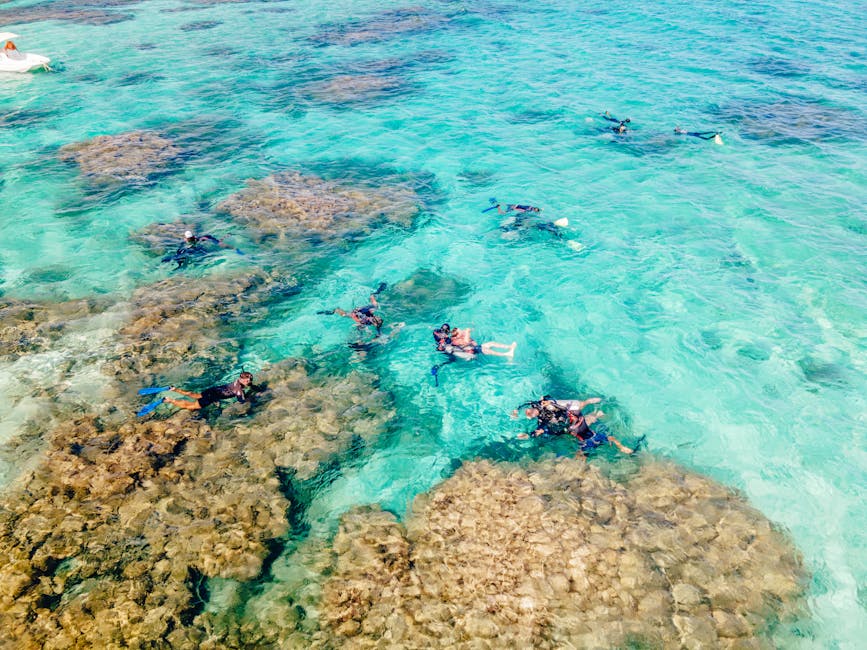
Piscadera Bay itself hosts multiple reef patches. The corals here are recovering from past damage, so you won’t see the dense, towering formations you might find in pristine Caribbean locations. What you will see are working reefs with active fish populations and reasonable coral coverage. Brain coral, elkhorn, and staghorn varieties are present, along with plenty of smaller reef fish. The bay is sheltered, which makes it suitable for less experienced swimmers, though the trade-off is that it can feel crowded during peak tour times.
Some operators take groups to sites further west, toward Westpunt. These locations generally have better coral coverage and fewer people, but they require a longer boat ride and can be rougher in choppy conditions. The water here tends to be clearer, and the reef structure is more dramatic. If you’re booking a tour and have the option to go further out, it’s usually worth the extra time and discomfort.
Timing and Crowds
Morning tours, typically departing between 8 and 9 a.m., are noticeably less crowded than afternoon sessions. You’ll also have better light for seeing fish behavior and coral detail. The water is calmer in early morning, and the reef feels more active before the heat of the day drives both tourists and local guides into a slower rhythm. If you’re staying on the island and have flexibility, booking early is worth prioritizing.
Weekdays are quieter than weekends, and this difference is more pronounced than you might anticipate. A Tuesday morning tour might have 8 to 10 people in the water; the same tour on Saturday could have 25 or more. The reef doesn’t handle that volume well, and the experience becomes more about navigating other snorkelers than observing marine life. If you’re visiting during cruise ship season, which runs year-round but peaks November through March, expect busier conditions overall.
What Tour Operators Actually Provide
Most snorkeling tours include basic equipment – mask, snorkel, fins – though the quality varies considerably. Some operators provide newer gear that fits well; others hand you equipment that’s been rented hundreds of times and doesn’t seal properly. Bringing your own mask and snorkel is a practical choice if you’re particular about fit and comfort. Fins are harder to travel with, so renting is usually necessary.
Tour length typically runs 2.5 to 4 hours, including boat time. You’re usually in the water for 45 minutes to an hour at a single site, sometimes split between two locations. That’s enough time to get a reasonable sense of the reef, but not enough to feel truly immersed. Guides vary in their knowledge and engagement. Some provide running commentary about fish species and coral types; others are primarily boat operators who point vaguely toward the water and let you figure out what you’re looking at.
Most tours include snacks and water, which is appreciated when you’re on the water for hours under direct sun. Some include lunch, though quality is basic – usually sandwiches and fruit. If you’re sensitive to sun exposure, bring your own sunscreen despite what guides might say about reef-safe products. The boat usually has minimal shade, and you’ll be exposed for longer than you’d expect between water sessions.
Practical Realities
The west coast can be choppy, particularly in afternoon hours when trade winds strengthen. If you’re prone to seasickness, morning tours are genuinely better, and taking medication before boarding is wise. The boat ride out is usually 15 to 30 minutes depending on which site you’re visiting. It’s not rough enough to be dangerous, but it’s enough motion that you’ll notice it.
Currents vary by location and season. Some reef sites have mild drift; others have noticeable pull. If you’re not a confident swimmer, mention this to your guide beforehand. Most operators are cautious about safety, but they also have schedules to keep, so being clear about your comfort level prevents awkward moments in the water.
The marine life you encounter is typical Caribbean reef fauna – nothing exotic or rare. You’ll see parrotfish, wrasses, snappers, groupers, and small sharks if you’re lucky. Turtles are less common than they used to be, though you might spot one. Stingrays and eagle rays appear occasionally. The reef ecosystem is functioning, but it’s not the pristine, densely populated marine environment you might imagine from promotional materials.
Getting to and from tour departure points requires transport. Most tours pick up from major resorts, but if you’re staying elsewhere, you’ll need to arrange your own ride or pay extra for pickup. Willemstad’s taxi situation is straightforward but not cheap – expect to pay 15 to 25 USD for a short ride. Some operators offer hotel pickup as part of their package; others charge separately.
Choosing an Operator
Researching operators beforehand is worth the effort. Reading recent reviews gives you a sense of whether people felt the experience was worth the cost, which is the actual question you’re asking. Some operators are known for better guide knowledge, others for smaller group sizes, and some simply for reliable boats and good equipment. Price differences are usually modest – tours typically range from 60 to 100 USD per person – so the decision should be based on what matters to you rather than cost alone.
Asking specific questions before booking helps. How many people per tour? Which sites do you visit? What’s included? How long are you actually in the water? Operators who answer these questions directly and specifically are generally more professional than those who give vague responses. Local dive shops and your accommodation can usually provide honest recommendations based on what they’ve heard from other guests.
The west coast snorkeling experience is solid but unremarkable. You’ll see a functioning reef with active fish populations and reasonable coral coverage. You’ll spend a few hours on the water and come away with a sense of what Caribbean reef ecosystems look like. It’s a worthwhile activity if you’re on the island, but it’s not transformative or exceptional. Expectations matter more than anything else. If you’re hoping for pristine, untouched reefs with minimal crowds, you’ll be disappointed. If you’re looking for a straightforward reef experience with decent visibility and accessible entry points, you’ll likely be satisfied.