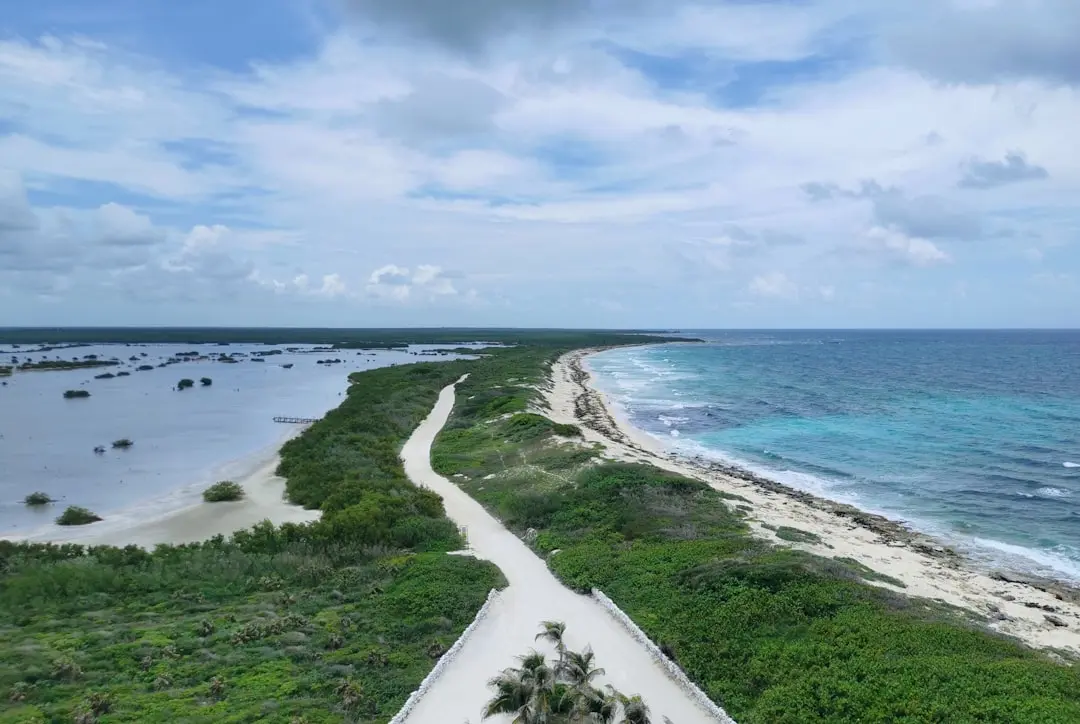
Cozumel sits about twelve miles off the Yucatán Peninsula, and the island has become synonymous with snorkeling in Mexico. The reputation is earned – the reef system here is legitimate. But there’s a gap between what you’ll read in travel guides and what you’ll actually experience when you get in the water, and that gap matters when you’re deciding how to spend your time and money.
The island’s snorkeling appeal comes from a combination of geography and marine protection. The western shore faces the mainland and stays relatively calm, while the eastern side takes the open Caribbean. Most snorkeling happens on the western reef, which runs parallel to the coast and drops into deeper water. The reef itself is healthy in patches, though you’ll notice degradation in heavily trafficked areas. Coral bleaching has affected some sections, and the sheer volume of daily tours means certain spots see constant pressure from boats and swimmers.
If you’re planning a snorkeling trip here, the first practical reality is that timing shapes everything. The calm season runs from May through September, when the water is flat and visibility is often excellent. The trade-off is heat, humidity, and the possibility of afternoon rain. Winter months bring rougher conditions – chop on the water, reduced visibility, and cooler temperatures that make longer snorkeling sessions uncomfortable. Most operators run tours year-round, but the experience changes dramatically depending on when you visit.
What the Tour Operators Actually Do
The snorkeling tour industry in Cozumel is mature and competitive. You’ll find dozens of operators offering variations on the same basic service: a boat ride to one or more reef sites, a guide, and a few hours in the water. The quality varies, and the difference often comes down to boat size, group composition, and the guide’s knowledge rather than the specific reef location.
Larger operators run bigger boats with 30 to 40 people per trip. These tours are efficient and economical, but the experience feels crowded. You’re sharing the water with dozens of other snorkelers, which affects visibility and the sense of exploration. Smaller operators run boats with 8 to 15 people, and the difference in atmosphere is noticeable. You move slower, spend more time at each site, and the guide can actually pay attention to individuals.
Check real traveller reviews, prices, availability, departure points, and flexible booking options in one place.
Most tours include two reef sites. The first stop is typically a shallower reef in 15 to 25 feet of water, often near the marine park boundary. The second site goes slightly deeper, sometimes 25 to 35 feet. The boat provides snorkeling equipment – mask, fins, snorkel – though many experienced snorkelers bring their own because rental gear is often mediocre. The tour usually lasts three to four hours total, including boat time and surface intervals.
A common pattern is that the first reef site is where most of the fish are. You’ll see parrotfish, sergeant majors, angelfish, and groupers. Turtles appear occasionally, though sightings aren’t guaranteed. The coral structure is interesting in places – brain coral, elkhorn, and staghorn varieties – but you’re viewing it alongside dozens of other people, which changes the feeling of the experience. The second site is often quieter, with slightly fewer fish but a more relaxed atmosphere.
The Reef Itself: What You’re Actually Seeing
Cozumel’s reef is part of the Mesoamerican Barrier Reef System, the second-longest coral reef in the world. That statistic sounds impressive, and in some sections it’s justified. But the reef you’ll snorkel is not pristine. It’s been affected by decades of tourism, boat anchoring, and climate stress.
The healthy sections show genuine biodiversity. The coral formations are complex, with good fish populations and clear water. You’ll see life – sometimes a lot of it. But you’ll also see bleached coral, dead sections, and areas where the reef structure has been damaged by boat anchors or careless swimmers. The marine park designation has helped, but it’s a managed ecosystem under constant pressure.
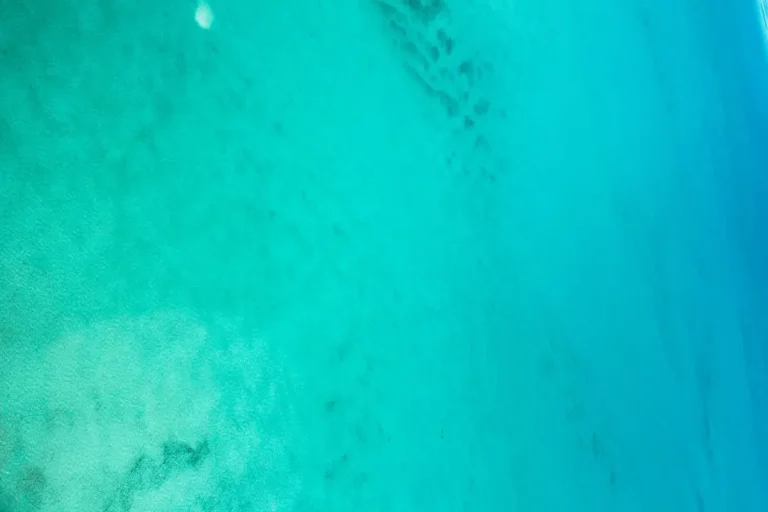
Water clarity varies by season and weather. During calm periods, visibility can reach 80 feet or more, which is excellent. After storms or rough weather, it drops to 30 to 40 feet. Early morning tours often have better visibility because the water hasn’t been stirred up by boat traffic. By afternoon, particularly on busy days, the water looks hazier from suspended sediment.
Fish behavior is worth noting. The reef fish here are accustomed to snorkelers and boats. They don’t flee immediately, but they’re not fearless either. You won’t have fish swarming around you unless you’re carrying food, which is prohibited. The marine life feels present but distant – you’re observing rather than interacting.
Specific Sites and Their Character
Palancar Reef is the most famous snorkeling site in Cozumel, and for good reason. It’s large, with multiple sections at different depths, and it consistently shows good coral structure and fish populations. But it’s also the most visited site, which means you’ll share it with numerous boats and groups. The reef itself is impressive – towering coral formations and healthy-looking sections – but the experience is crowded. If you go to Palancar, an early morning tour makes a difference.
Yucab Reef is slightly less trafficked and offers similar coral and fish diversity. The reef has good depth variation, and some sections feel more intimate. It’s a solid alternative if Palancar feels too busy.
Tormentos Reef and Dalila Reef are on the southern end of the island and see fewer boats. The coral quality is comparable to the northern sites, and the water often feels less crowded. If you prefer a quieter experience, these sites are worth requesting specifically.
Shallow reef sites near the marine park boundary are sometimes included as first stops. These are convenient and accessible, but they’re also the most heavily trafficked. The coral here shows visible wear from constant use.
Practical Considerations for Actually Going
Most snorkeling tours depart from the western waterfront, either from Puerto de Abrigo or from hotels with dock access. Tours typically run in the morning, departing between 8 and 10 a.m. Afternoon tours exist but are less common. Morning departures make sense – the water is usually calmer, visibility is better, and you avoid the heat of midday.
Seasickness is a real possibility, particularly if there’s any swell. The boat ride is usually 15 to 30 minutes depending on which reef you’re visiting. If you’re prone to motion sickness, take medication before boarding. The ride back can feel longer if you’re tired from snorkeling.
Sunburn is the most common complaint. You’re exposed for hours, and the sun reflects off the water. Reef-safe sunscreen is required – regular sunscreen damages coral. Even with sunscreen, many people underestimate the intensity of sun exposure in the Caribbean and end up uncomfortable.
Physical fitness matters more than most tour descriptions suggest. Snorkeling looks passive, but you’re in the water for extended periods, often in current. If you’re not a strong swimmer, let the operator know. Most guides can adjust the pace and depth, but you need to communicate your comfort level.
The cost for a snorkeling tour typically ranges from $45 to $100 per person, depending on group size, operator reputation, and what’s included. Smaller groups cost more. Equipment rental is usually included, though quality varies. Lunch is sometimes included on full-day tours but not on half-day trips.
When to Actually Book and Go
The shoulder seasons – May through June and September through October – offer a balance. The water is warm, visibility is usually good, and crowds are lighter than during winter holidays or spring break. July and August are hot and humid, with occasional afternoon rain, but the water is calm and clear.
If you’re visiting during peak season (December through April), book tours in advance. Popular operators fill up, and you may end up on larger boats with less desirable schedules. Off-season visits give you more flexibility and smaller groups, though weather is less predictable.
The best snorkeling experience in Cozumel comes from managing expectations and choosing thoughtfully. The reef is real and worth visiting. The fish are there. The coral formations are impressive in places. But it’s not a pristine wilderness – it’s a managed tourist destination with genuine natural appeal. The difference between a good tour and a mediocre one often comes down to group size, timing, and the guide’s engagement rather than the specific reef location. If you go early, choose a smaller operator, and pick a site away from the heaviest traffic, you’ll have a solid experience. The water is warm, the visibility is usually decent, and you’ll see enough marine life to make it worthwhile.
Compare top-rated tours, prices, availability, and real traveller reviews before booking. See what’s actually available for your dates and departure location.
Compare tours and check availability