A full-day Great Barrier Reef cruise from the Queensland coast is one of those experiences that sits somewhere between genuine marine exploration and organized tourism. You’ll spend eight to ten hours on a boat with anywhere from fifty to three hundred other people, depending on which operator you choose and what time of year you go. The reality of the day feels quite different from what the brochures suggest, and understanding that rhythm matters if you want to actually enjoy yourself rather than just tick a box.
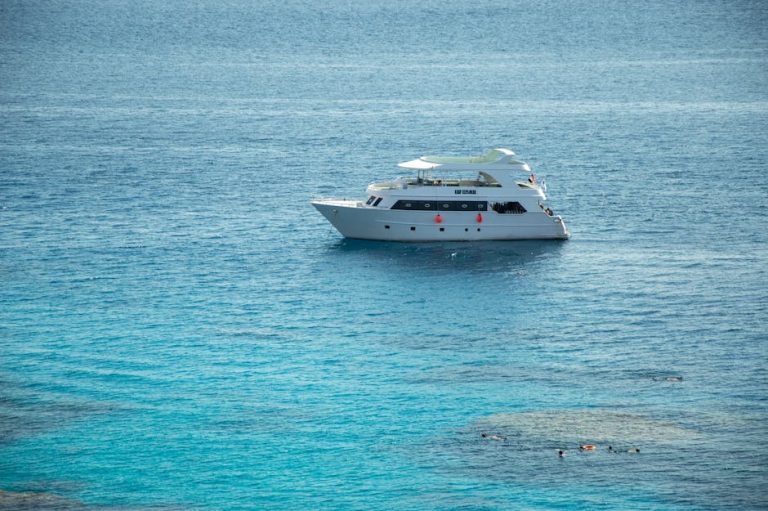
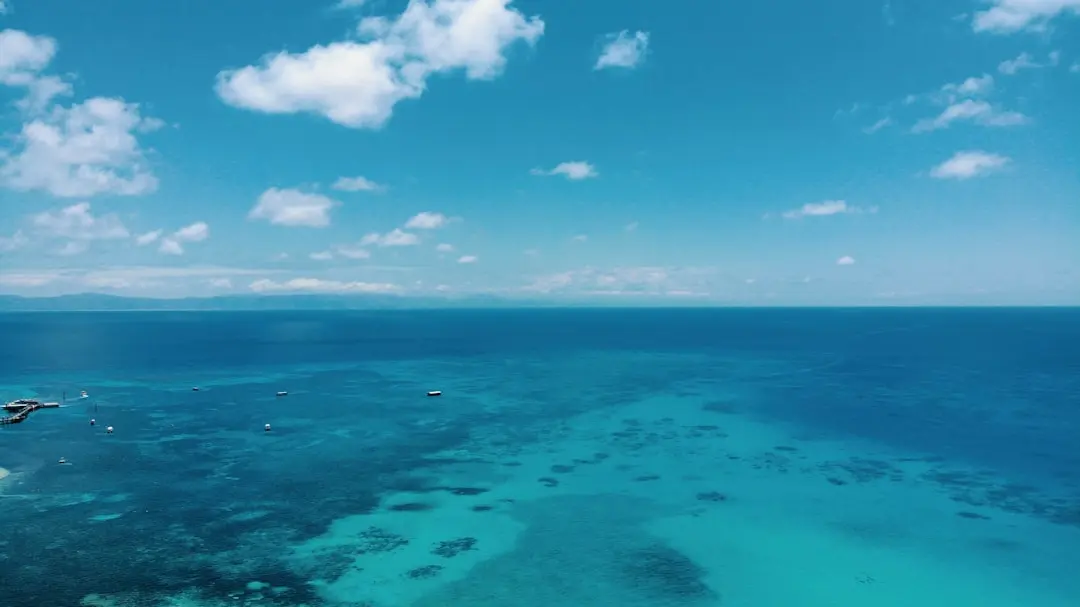
Most cruises depart from either Cairns or Port Douglas in the early morning, usually between 8 and 8:30 AM. The boat ride out to the reef takes roughly forty-five minutes to an hour, depending on which reef site the operator has chosen. During this transit, the water transitions from the murky brown-green of the coastal shallows to something noticeably clearer as you move offshore. The color change is gradual, not dramatic, and it takes longer than you might expect. Many first-time visitors spend this time on the upper deck looking for marine life, but realistically, you’ll see mostly water and sky. The novelty of being on a large catamaran wears off quickly.
The Morning Arrival and First Impressions
When you reach the reef site, the boat anchors and the crew gives a safety briefing. This is where the experience splits depending on what you’ve chosen to do. If you’re snorkeling, you’ll get a wetsuit fitting, a quick rundown of how to use the gear, and then you’re in the water. The initial moment of entering the reef is genuinely striking. The water clarity varies enormously depending on the season and recent weather. During the dry season (May to October), visibility can reach twenty meters or more. During the wet season, it drops significantly, sometimes to five or six meters. In either case, the reef structure itself is immediately visible once you’re in – the coral formations, the sandy patches, the way the light filters through the water.
The fish life is present but not overwhelming in the way you might imagine. You’ll see parrotfish, surgeonfish, wrasse, and various reef dwellers, but they’re not swarming around you. The coral itself is the dominant visual element – brain coral, staghorn, plate coral, and branching formations that create the actual structure of the reef. Snorkeling in the morning, before the boat has been anchored for hours, feels less crowded than later in the day. The water is calmer, the visibility is typically better, and there’s a genuine sense of being in an actual marine ecosystem rather than at a tourist attraction.
Crowd Dynamics and Timing
By mid-morning, the reef site becomes noticeably busier. If your boat is one of several anchored at the same location – which is common at popular sites like the Agincourt Reef or Hastings Reef – you’ll start to see snorkelers from other vessels in the water. The reef doesn’t feel crowded in an unpleasant way, but the sense of solitude vanishes. You’re sharing the experience with dozens of other people from multiple boats. This is just the reality of visiting one of the world’s most accessible coral reef systems. The operators manage this fairly well through staggered entry times and designated snorkeling zones, but there’s no escaping that you’re part of a managed experience.
Check real traveller reviews, prices, availability, departure points, and flexible booking options in one place.
Around midday, most boats serve lunch. This is typically a buffet setup on the main deck – salads, cold meats, bread, fruit, and basic desserts. The quality varies between operators. Some provide genuinely decent food; others offer something closer to cafeteria standards. You eat while sitting on the boat, and if the sea state is anything beyond calm, eating becomes a minor logistical challenge. The boat rocks, plates slide, and you spend more time stabilizing your lunch than enjoying it. Many experienced reef visitors bring seasickness medication regardless of the forecast, because even moderate swells can affect your appetite and energy levels.
Afternoon Water Time and Fatigue
The afternoon snorkel session typically begins around 1 PM, after lunch has settled and the crew has cleaned up. By this point in the day, fatigue starts to become a real factor. You’ve been up since before dawn, traveled an hour to the reef, spent two or three hours in the water in the morning, eaten lunch, and now you’re expected to get back in the water for another couple of hours. The sun exposure is significant, even with reef-safe sunscreen reapplied multiple times. The physical effort of snorkeling – the breathing through the tube, the constant small movements to stay in position, the mental engagement of watching the reef – accumulates. Many people find the afternoon session less enjoyable than the morning simply because they’re tired.
The water conditions in the afternoon can also shift. If there’s been any wind, the sea state may have deteriorated slightly. Visibility might be fractionally less clear than it was in the morning, though this is often imperceptible. The reef itself doesn’t change, but your experience of it does when you’re fatigued and the sun is directly overhead.
Seasonal Variations and What You’re Actually Seeing
The time of year matters significantly for what the reef actually looks like. During the dry season, the water is clearer, the weather is more stable, and the overall experience feels more comfortable. The trade-off is that this is peak tourist season, so the boats are fuller and the reef sites are busier. The wet season brings warmer water, occasional rain, and lower visibility, but fewer tourists. If you’re visiting between November and March, you’re also dealing with stinger season, which means wearing a full-body stinger suit rather than just a wetsuit. This adds a layer of discomfort and restriction that many people find frustrating.
The reef’s health varies by location and season. Some areas show vibrant coral coverage and abundant fish life; others show signs of bleaching or damage. This isn’t always immediately obvious to casual snorkelers. You’ll see coral and fish, but you might not recognize that you’re looking at a reef that’s been stressed or is recovering. The operators are generally honest about conditions, but the experience is still fundamentally a curated one. You’re seeing the reef at its most accessible and most touristed, not in its natural state.
The Return Journey and Practical Realities
The boat departs the reef site in the late afternoon, typically around 4 or 4:30 PM. The return journey to the mainland takes another forty-five minutes to an hour. By this point, most passengers are tired, sun-exposed, and ready to be off the water. The boat ride back is quieter than the morning departure. People sit in the shade, doze, or stare at the ocean without much engagement. The novelty has completely worn off.
You’ll arrive back at the dock around 5 or 5:30 PM. The entire day, from departure to return, is typically eight to nine hours. When you factor in the actual time in the water – usually four to five hours total across two sessions – you’re spending a significant portion of the day in transit or on the boat doing nothing in particular. This isn’t a criticism of the experience, just a reality. Many people find the day longer than they expected, and the ratio of actual reef time to total time spent is lower than anticipated.
The physical aftermath is also worth considering. You’ll be tired, sun-exposed despite sunscreen, and possibly dehydrated despite drinking water throughout the day. Your skin will feel tight, your eyes may be irritated from salt water and sun, and if you’re not an experienced snorkeler, your neck and shoulders might be sore from the effort and tension of breathing through a tube. These aren’t dramatic effects, but they’re real, and they’re part of what the day actually involves.
Full-day reef cruises work best when you approach them as what they are: a structured, managed way to spend time on a coral reef system with other tourists. The reef itself is genuinely worth seeing, and snorkeling in clear water over living coral is a legitimate experience. But it’s not a solitary communion with nature or an escape from tourism infrastructure. It’s tourism infrastructure, competently managed and reasonably well-executed, but still fundamentally a commercial operation. Understanding that distinction helps you enjoy the day for what it actually offers rather than what you imagined it might be.
Compare top-rated tours, prices, availability, and real traveller reviews before booking. See what’s actually available for your dates and departure location.
Compare tours and check availability