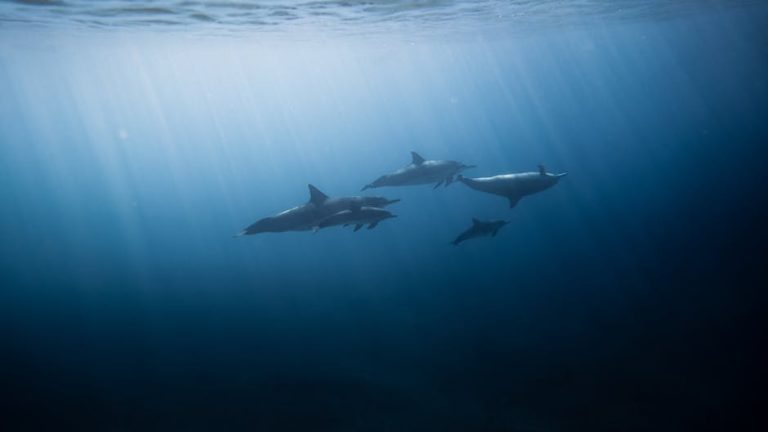
The first time you see a shark underwater in Fiji, it’s not dramatic. There’s no music, no sudden appearance from the depths. You’re floating in warm water near a reef, watching small fish dart between coral heads, and then you notice movement. A shape glides past at a distance that feels both immediate and somehow distant. Your heartbeat quickens even though nothing threatening is happening. The shark moves with purpose, indifferent to your presence, and within seconds it’s gone into deeper blue.
This is the reality of shark encounters in Fiji that doesn’t make it into resort marketing materials. The sharks here are reef sharks – primarily blacktips and whitetips – and they’re not interested in tourists. They’re interested in fish, in the reef ecosystem, in their own survival. Fiji sits in the South Pacific, roughly 2,000 kilometers northeast of New Zealand, and its coral reefs support a healthy shark population precisely because the ecosystem is relatively intact. That health is what draws snorkelers to these waters, though most people arrive with expectations shaped by documentaries and Hollywood rather than actual reef behavior.
Where and When Sharks Actually Appear
Shark encounters happen most consistently in specific locations around the Fiji islands. The Coral Coast on Viti Levu, the main island, has established shark-feeding operations where guides deliberately attract sharks to a predictable spot. These aren’t encounters in the wild sense – they’re managed experiences where sharks have learned to associate the presence of boats and divers with food. The sharks arrive reliably, often within minutes of the feeding beginning. It’s efficient tourism, and it works if what you want is to see sharks close enough to photograph them without spending hours searching a reef.
But if you’re snorkeling from a resort or day boat without a dedicated shark feeding, encounters are less predictable. You might see sharks on one reef and none on another, even in the same area. Timing matters. Early morning snorkeling, before the water warms and becomes crowded, tends to produce more shark sightings. The sharks are more active in cooler water and less disturbed by the presence of multiple boats and swimmers. By mid-afternoon, especially during peak season, the reef feels busier and the sharks tend to stay deeper or move away entirely.
Seasonality affects shark behavior too. The dry season from May to October brings calmer seas and clearer water visibility. Sharks are more visible in clear water, and the reef itself feels more alive during these months. The wet season from November to April brings rougher conditions, warmer water, and heavier rainfall that can cloud visibility. Sharks are still present, but you’re less likely to see them clearly, and the overall snorkeling experience suffers because of water conditions rather than shark absence.
Check real traveller reviews, prices, availability, departure points, and flexible booking options in one place.
The Physical Experience of Being Near Sharks
Your body reacts before your mind catches up. Even though you intellectually understand that reef sharks pose minimal threat to humans, there’s a primal awareness that sharpens when a large predator moves through your field of vision. Your breathing changes slightly. You become more aware of your position in the water, of how exposed you are. This response fades quickly if you’re snorkeling regularly – by your third or fourth shark sighting, the novelty wears off and you start noticing other details, like the pattern of their movement or the way they interact with other fish.
The sharks themselves are smaller than many people expect. A large blacktip reef shark might be two meters long. Whitetip reef sharks are often closer to one and a half meters. They’re sleek and efficient looking, built for reef hunting rather than open ocean cruising. When they move past you, there’s a sense of controlled power – they’re not thrashing or aggressive, just moving through their environment with purpose. If you’re floating still and not making sudden movements, they generally ignore you completely. They’ll pass within a few meters without changing course.
The water temperature in Fiji ranges from about 26 degrees Celsius in the cooler months to 30 degrees or higher during summer. This warmth is constant enough that you can stay in the water for extended periods without getting cold, which changes the experience compared to colder-water snorkeling. You’re not fighting discomfort or fatigue from temperature, so you can relax and actually observe what’s happening rather than just endure the conditions. This relaxation is partly why shark encounters feel less threatening here – you’re not stressed about being cold or uncomfortable, which would amplify any anxiety about the sharks.
What Guides and Resort Operations Tell You
Most resort guides in Fiji are experienced with sharks and understand reef behavior well. They know which reefs tend to have sharks, what time of day produces the best sightings, and how to position clients for photographs. They also know how to read shark behavior – when a shark is hunting, when it’s just passing through, when it’s aware of the group and when it’s not. This knowledge is practical and comes from spending hundreds of hours on the water.
The narrative guides present is usually reassuring without being dishonest. They’ll tell you that sharks are more afraid of humans than humans should be of sharks, which is true. They’ll explain that reef sharks eat fish, not people, which is also true. They won’t tell you that sharks are completely harmless or that there’s zero risk, because that would be misleading. The actual risk of shark incident while snorkeling in Fiji is extraordinarily low – lower than the risk of drowning, of getting injured on the boat, or of getting a serious sunburn. But it’s not zero, and guides who’ve worked the reefs for years understand this distinction.
Shark-feeding operations are more theatrical. The guide will explain that the sharks have learned to associate the boat with food, and they’ll demonstrate this by throwing fish scraps into the water. The sharks arrive, sometimes in groups of five or six, and feed aggressively. It’s visually impressive and makes for good photographs. It’s also somewhat removed from natural shark behavior – in the wild, sharks don’t gather in groups like this unless there’s a major food source, and they don’t respond to boats with the learned anticipation you see at feeding sites. The experience is real, but it’s a curated version of reef life rather than an unmanaged encounter.
The Reef Itself and Why Sharks Matter
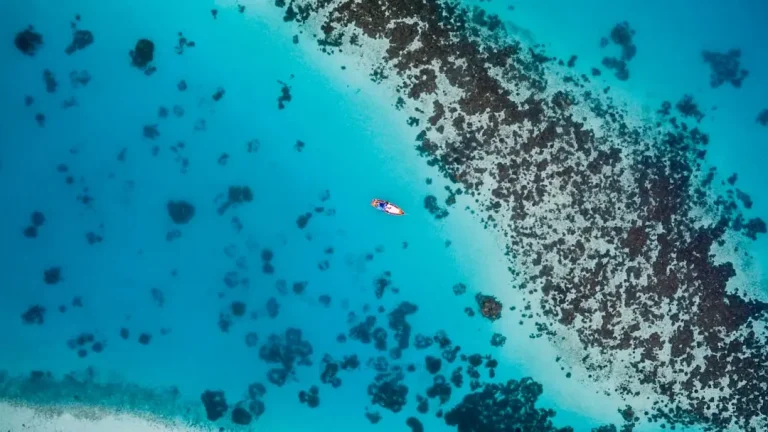
Fiji’s coral reefs are the actual draw here, and sharks are part of what makes these reefs function. A healthy reef ecosystem includes predators. The sharks keep fish populations in balance, which prevents any single species from dominating and choking out the coral. When you’re snorkeling and seeing the diversity of fish – the parrotfish, the groupers, the smaller reef fish in dozens of colors and species – you’re seeing a system where sharks play a role. The presence of sharks indicates that the reef is relatively intact.
This doesn’t mean Fiji’s reefs are pristine. They’ve been affected by bleaching events, by fishing pressure, by climate change like reefs everywhere. But compared to many Pacific destinations, they’re still reasonably healthy. The water clarity varies depending on location and season, but on a good day you can see 20 to 30 meters down. The coral coverage is substantial in many areas, and the fish populations are robust enough to support both the local fishing industry and tourism.
Spending time on these reefs changes how you think about sharks. You stop seeing them as monsters or attractions and start seeing them as part of a larger system. They’re not there for the tourists. The tourists are there because the reef is healthy enough to support sharks. This perspective shift – from seeing sharks as the main event to seeing them as one element of a functioning ecosystem – is something that happens gradually through repeated exposure to the water and the reef.
Practical Realities for Travelers
If you’re planning to snorkel with sharks in Fiji, book with established resorts or tour operators. The infrastructure for this exists, and the guides know what they’re doing. Day trips from the main island are common and don’t require liveaboard diving or expensive packages. Most resorts can arrange shark encounters as part of their regular snorkeling offerings. Costs vary widely depending on the resort and the specific experience, but it’s not an exclusive activity reserved for wealthy travelers.
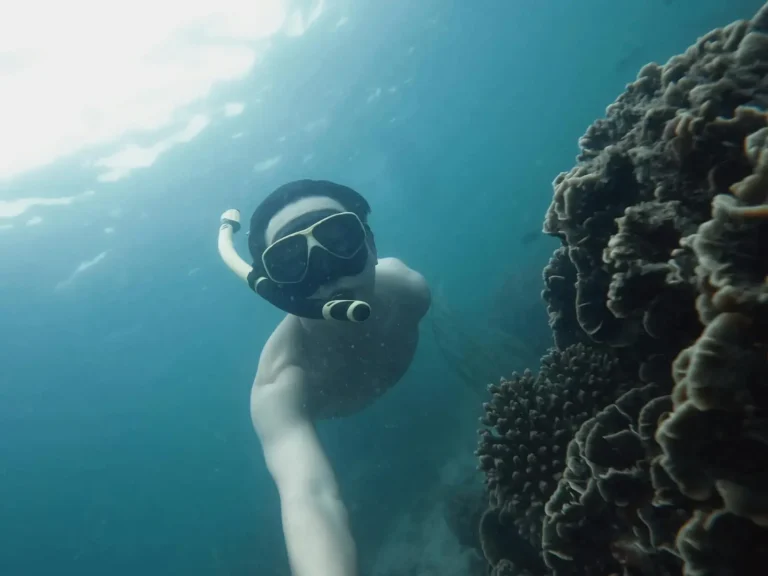
Bring your own snorkel gear if you have it and it fits in your luggage. Resort rental gear works, but it’s often not fitted well and can be uncomfortable for extended snorkeling. A good mask and snorkel make a significant difference in how much you enjoy the experience. Reef shoes are practical – the reef is sharp and the bottom can be uneven. Sun protection matters intensely here. The sun is strong, the water is reflective, and sunburn happens quickly even if you don’t feel like you’re burning.
Manage your expectations about photography. Underwater photography in snorkeling conditions is difficult. The light is often dim, the water movement distorts images, and sharks move quickly. If you want good shark photos, either bring a quality underwater camera and accept a learning curve, or focus on enjoying the experience and letting the memory be your primary record. Phone cameras work in a pinch but rarely produce images that capture what you actually saw.
The experience of being in Fiji’s water is something that stays with you differently than you might expect. It’s not the adrenaline rush of extreme sports or the transcendent feeling that travel marketing promises. It’s quieter than that – a sense of being in a place where you’re welcome but not central, where life continues according to patterns that have nothing to do with your presence. The sharks are part of that. They’re real, they’re there, and they’re indifferent to your visit. That indifference is oddly reassuring.
Compare top-rated tours, prices, availability, and real traveller reviews before booking. See what’s actually available for your dates and departure location.
Compare tours and check availability