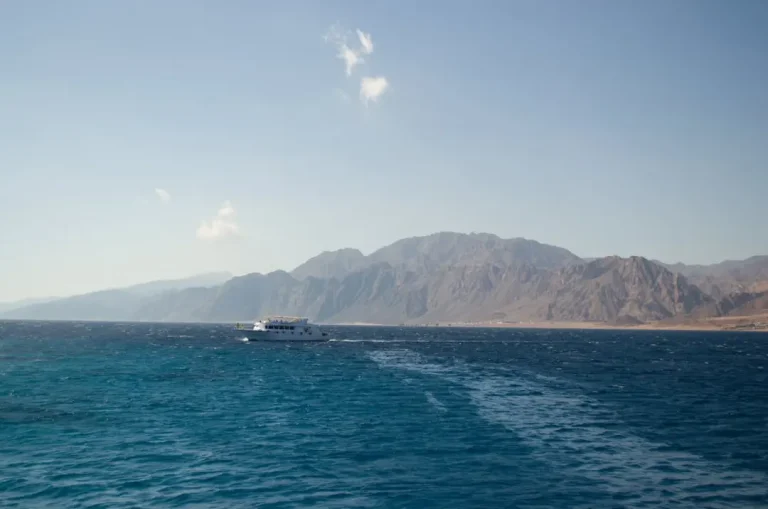
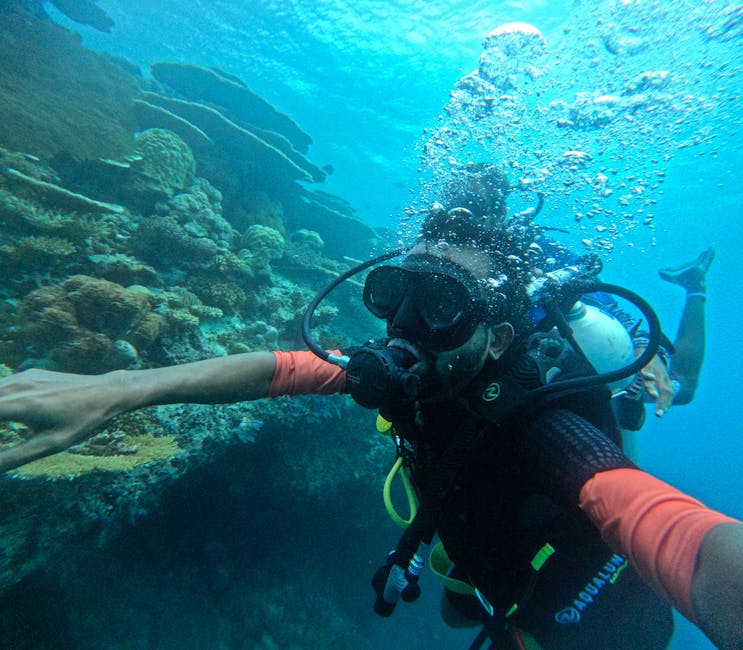
Buccoo Reef sits off the southwestern coast of Tobago, a shallow coral formation that has become the standard tourist introduction to the island’s marine environment. The glass bottom boat tours are the most accessible way to see the reef without diving or snorkeling, which makes them predictably popular. What you experience on these boats depends heavily on when you go, how clear the water is that day, and how many other boats happen to be anchored in the same small area.
The reef itself is genuinely there. Coral structures exist, fish move through the water, and on a good day you can see enough through the glass panels to understand why people bother with the trip. But the experience is mediated entirely by conditions you cannot control. Water clarity varies dramatically depending on season, recent rainfall, and tidal movement. During the dry season from January through May, visibility tends to be better. The wet season brings murkier water and less predictable reef viewing. Even within a single day, morning light creates different viewing angles than afternoon sun.
The Practical Reality of Boat Tours
Most tours depart from Store Bay or nearby beaches and take roughly 30 to 45 minutes to reach the reef. The boats themselves are functional rather than comfortable. You sit in rows facing downward through glass panels built into the hull, which means your view is fixed and you cannot move around much. If you are tall or have any back sensitivity, the seating arrangement becomes apparent quickly. The boats rock with the water, which some people find soothing and others find mildly nauseating.
The glass panels accumulate salt residue and algae growth, especially if the boat has been in the water for hours. Cleaning happens, but imperfectly. You are looking through a layer of material that is not perfectly transparent, which affects image clarity more than you might expect. Polarized sunglasses help reduce glare, though many tourists do not think to bring them.
Tours typically last between one and two hours total, including travel time to and from the reef. The actual time spent over the glass panels viewing the reef is often closer to 20 to 30 minutes. The rest is transit. This matters for planning your day, especially if you are traveling with people who tire easily or have limited patience for boat movement.
Check real traveller reviews, prices, availability, departure points, and flexible booking options in one place.
What You Actually See
The reef hosts brain coral, staghorn coral, and various smaller coral formations. Fish species include parrotfish, angelfish, and smaller reef dwellers. On a clear day with good light, these are visible and interesting. On a hazy day or when the water has been stirred up by wind or rain, the view becomes murky and frustrating. You might see shapes and movement but lack the detail that makes reef viewing satisfying.
The reef is shallow, which is why glass bottom boats work here at all. Deeper reefs require diving. Buccoo’s shallowness means it is accessible but also means the coral has been under considerable pressure from tourism and weather. The reef is not in pristine condition. Bleaching has affected sections, and heavy foot traffic from snorkelers has damaged coral in some areas. You will still see living coral and fish, but it is not the dramatic underwater garden that marketing materials might suggest.
Crowds matter more than you might think. When multiple glass bottom boats are anchored over the same small area, the water churning from boat movement and snorkelers creates sediment clouds. The viewing experience degrades noticeably. Early morning tours, particularly those departing around 8 or 9 AM, tend to have clearer water and fewer competing boats. Late afternoon tours often deal with accumulated disturbance from the day’s activity.
Timing and Seasonal Patterns
The dry season from January through May offers the best combination of calm water, clear visibility, and stable weather. Tours run reliably, and you are less likely to encounter cancellations due to rough seas. This is also peak tourist season, so expect more boats and more people sharing the reef experience.
The wet season from June through December brings rain, higher humidity, and less predictable water conditions. Afternoon showers are common. Visibility can be poor, and some tour operators cancel trips if swells are too rough. If you are visiting during this period, morning tours are more likely to operate, and you might experience better conditions before afternoon weather develops.
Wind patterns affect the reef experience significantly. Trade winds blow consistently but vary in strength. Stronger winds create choppier water and reduce visibility. Calmer days, which occur more frequently in certain months, provide smoother rides and clearer viewing. Local operators understand these patterns and can advise on the best days to tour, though they are also motivated to run tours regardless of conditions.
The Social and Environmental Context
Buccoo Reef is a marine protected area, which means there are regulations about anchoring, snorkeling, and boat traffic. These rules exist because the reef needs protection from overuse. You will notice this in the structure of tours – designated viewing areas, guides who explain the reef’s fragility, and attempts to manage visitor impact. Whether these measures are entirely effective is another question. The reef is clearly under stress from tourism pressure.
The guides on these tours are typically local and knowledgeable about fish species and coral types. They can point out details you would miss on your own and provide context about the reef’s ecology. The quality of commentary varies depending on the guide and their mood that day. Some guides are genuinely engaging; others deliver information in a perfunctory way.
The boats themselves are operated by local businesses, and the tour economy is significant for Tobago’s coastal communities. This is worth considering when evaluating the experience. You are participating in a system that provides income for boat operators, guides, and related service workers. The environmental cost of tourism here is real, but so is the economic necessity.
Practical Considerations
Bring sunscreen and reapply it frequently. The boat offers limited shade, and you are exposed for extended periods. Wear something you do not mind getting wet, as spray from the water is inevitable. Polarized sunglasses genuinely improve your viewing experience through the glass panels.
Motion sickness is a real possibility if you are sensitive to boat movement. The water around Tobago is generally calmer than open ocean, but it is not still. Taking medication before the tour if you have any history of seasickness is sensible. Eating a light meal beforehand helps more than eating nothing.
Prices vary by operator and tour package. Some tours include snorkeling stops, lunch, or visits to other nearby sites like the Nylon Pool. These additions can make the experience more interesting if you have time, but they also extend the duration and increase fatigue. A basic glass bottom boat tour is usually the most straightforward option.
Photography through glass panels is challenging. Phone cameras struggle with glare and reflections. The movement of the boat makes steady shots difficult. If you want good underwater photos, snorkeling directly in the water is more effective than photographing through boat glass. Manage your expectations about bringing back dramatic reef imagery.
Buccoo Reef tours are a reasonable way to see marine life if you cannot or do not want to snorkel or dive. The experience is real but modest. The reef exists, fish are present, and on a good day with clear water and good timing, you will see enough to understand why coral reefs matter. On a mediocre day with murky water and crowds, you might wonder why you bothered. The difference between these two outcomes often comes down to factors beyond your control – season, weather, and luck.
Compare top-rated tours, prices, availability, and real traveller reviews before booking. See what’s actually available for your dates and departure location.
Compare tours and check availability