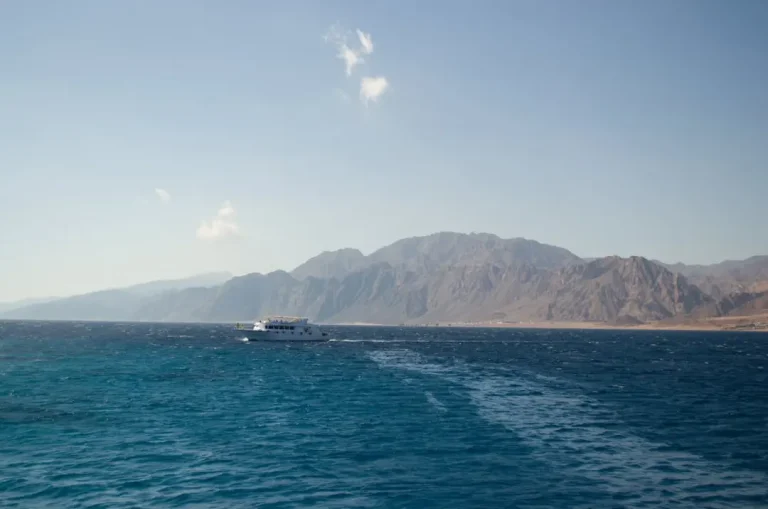
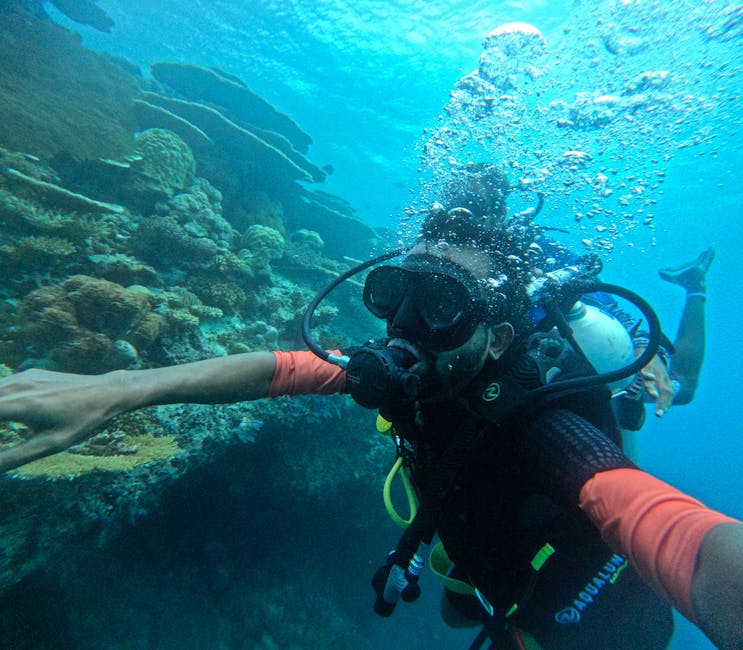
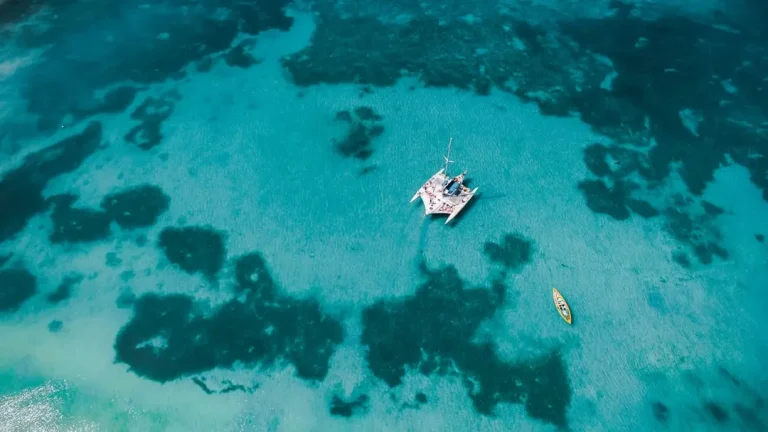
Dolphin house yacht trips paired with reef snorkeling have become a standard offering across several coastal regions, particularly in the Red Sea and similar warm-water marine environments. The appeal is straightforward: a boat ride to observe wild dolphins, followed by time in the water exploring coral formations and reef fish. In theory, it sounds seamless. In practice, the experience depends heavily on timing, sea conditions, and realistic expectations about wildlife encounters.
The morning departure is always early. Most operators push boats out between 6 and 7 AM, which means being at the dock well before dawn. This early start isn’t arbitrary – it’s when dolphins are most active and when the sea tends to be calmest. The water at that hour has a different quality than midday. It’s cooler, visibility is often clearer, and the light feels softer. You’ll notice fewer boats on the water, which changes the entire atmosphere. By 9 AM, the situation reverses. The sun climbs higher, more vessels launch, and the sea begins to show its temperament more clearly.
The Dolphin Encounter Reality
Dolphin sightings are not guaranteed, and this is the first thing to understand. Tour operators know this, but marketing materials often gloss over it. Some mornings, pods appear within the first hour. Other mornings, you spend two hours cruising without seeing anything. The dolphins don’t follow a schedule. They respond to fish movements, tidal patterns, and weather systems that shift daily.
When dolphins do appear, the experience is brief and often chaotic. A pod might surface near the boat for five to ten minutes, then vanish. The water becomes crowded with swimmers attempting to get close, which typically scatters the animals further. Experienced captains know how to position the boat to minimize disturbance, but not all do. You’ll see the difference between operators who’ve been running these trips for years versus those treating it as seasonal work. The good ones keep distance and let the dolphins move naturally. The others chase.
The actual viewing involves a lot of waiting and watching. You’re scanning the water constantly, listening for the distinctive sound of dolphins surfacing. When they do appear, the moment is genuine but fleeting. Photography becomes difficult because the animals move unpredictably. If you’re expecting extended interaction or swimming alongside dolphins, adjust that expectation. Most trips involve observation from the boat, not in-water contact.
Check real traveller reviews, prices, availability, departure points, and flexible booking options in one place.
Reef Snorkeling: Conditions and Timing
The reef component of these trips typically happens in the afternoon, after the dolphin search concludes. By this point, several hours have passed on the water. You’re tired, possibly sunburned despite reapplication, and the novelty of boat motion has worn off. The reef itself is usually a designated site that the operator knows well – often a protected area with established mooring points to prevent anchor damage.
Water clarity varies dramatically by season and recent weather. In calm periods, visibility can reach 20 meters or more, and the reef is genuinely spectacular. The coral formations are intricate, fish populations are visible and diverse, and the whole underwater landscape feels alive. But this isn’t guaranteed year-round. During rougher seasons or after storms, visibility drops to 5-8 meters. The reef is still there, but it feels compressed and less impressive. You see the immediate surroundings clearly but lose the sense of scale and depth.
The reef itself tends to be moderately crowded during peak season. Multiple boats arrive at the same site within a short window. Snorkelers spread across the reef, and the underwater experience becomes more about navigating around other people than exploring undisturbed coral. Early morning snorkeling trips avoid this, but they’re rare because operators prioritize the dolphin search first. The standard afternoon reef time means sharing the space.
Current is another practical factor. Some reefs have gentle, manageable currents. Others require active swimming to maintain position. If you’re not a strong swimmer, certain reef sites become exhausting. You’ll spend energy fighting the water rather than enjoying the marine life. Guides usually know which areas have gentler conditions, but it’s worth asking directly rather than assuming.
The Physical Reality of a Full-Day Trip
These excursions typically run 6-8 hours from start to finish. That’s a long time on a boat, in sun, with limited shade. Even with sunscreen, the cumulative exposure is significant. The motion of the boat affects people differently. Some adapt immediately. Others feel queasy for hours. Seasickness medication works for many but not everyone, and the side effects can be as unpleasant as the nausea itself.
Food and water management matters more than marketing materials suggest. Most operators provide basic lunch – often a simple sandwich and fruit – and water. It’s adequate but not generous. Bring extra water, especially if you’re prone to dehydration or traveling during hot months. The salt water, sun exposure, and physical activity of snorkeling deplete your body faster than you’d expect on land.
The boat itself varies in quality. Budget operators use older vessels with minimal shade and basic facilities. Mid-range boats have covered seating areas and decent toilets. Premium operators offer more comfort, but the dolphins don’t care about your seating arrangement. The experience in the water is largely the same regardless of boat quality. The difference is how you feel before and after the water time.
Seasonal and Regional Variations
These trips operate differently depending on location and season. Red Sea operations (Egypt, Sudan, Saudi Arabia) run year-round but with notable seasonal shifts. Winter months bring calmer seas and better visibility but also cooler water temperatures. Summer offers warmer water but rougher conditions and reduced visibility. Spring and fall tend to be sweet spots for overall conditions, though they’re also peak tourism periods.
Other regions with similar offerings – the Caribbean, Southeast Asia, parts of the Mediterranean – have their own patterns. Caribbean trips often emphasize different marine life alongside dolphins. Southeast Asian versions might focus more on coral health and biodiversity. The core experience remains consistent: a boat journey, wildlife observation, and snorkeling, but the details shift based on local marine ecosystems and seasonal rhythms.
Booking through local operators versus international tour companies produces different experiences. Local operators often have more flexibility, better knowledge of daily conditions, and lower prices. International companies provide more predictable service standards and better communication if you don’t speak the local language. Neither is inherently better – it depends on your priorities and comfort level with uncertainty.
The value of a dolphin house yacht trip with reef snorkeling comes down to what you’re actually seeking. If you want guaranteed close encounters with dolphins and pristine reef exploration, you’ll likely be disappointed. If you’re comfortable with variable wildlife sightings, enjoy extended time on the water, and appreciate reef snorkeling as a core activity rather than a secondary component, the trip delivers a genuine experience. The key is showing up with realistic expectations about timing, crowds, and the unpredictable nature of observing wild animals.
Compare top-rated tours, prices, availability, and real traveller reviews before booking. See what’s actually available for your dates and departure location.
Compare tours and check availability