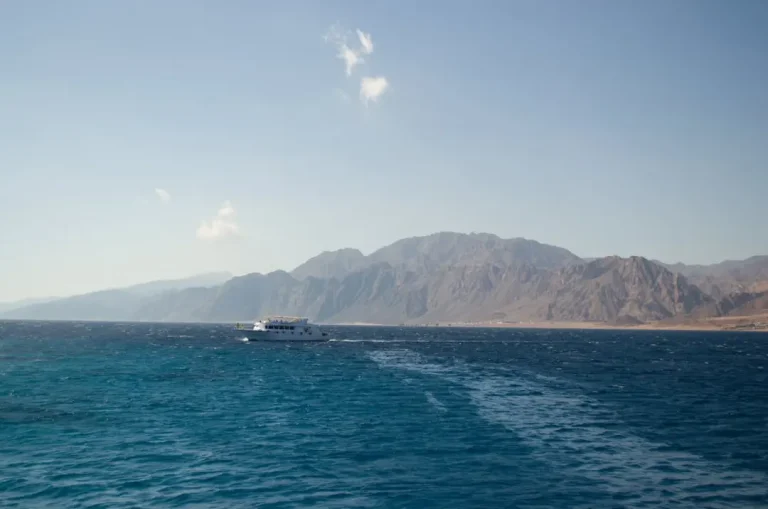
The Great Barrier Reef sits off the coast of Queensland, Australia, stretching over 1,400 kilometers along the northeastern edge of the continent. It’s the world’s largest coral reef system, and if you’re planning to see it, you’re probably imagining crystal-clear water and pristine coral gardens. That’s not entirely wrong, but the reality of getting there and experiencing it properly involves a lot more logistics than most first-time visitors anticipate.
I made nearly every planning mistake possible on my first trip. I booked tours too far in advance without understanding seasonal conditions. I arrived at the wrong time of year. I didn’t account for how long it actually takes to get from the mainland to the reef. I packed the wrong gear. I underestimated how tired I’d feel after a full day on the water. These weren’t catastrophic errors, but they shaped the experience in ways I didn’t expect. What follows isn’t a prescriptive checklist so much as a reflection on what matters when you’re actually standing on a boat deck, looking at the water, wondering if you made the right choices.
Timing and Seasonality Shape Everything
Most people think of the reef as a year-round destination. It is, technically. But the experience changes dramatically depending on when you go. I visited in late November, which sits at the tail end of the Australian spring. The water temperature was around 26 degrees Celsius, the visibility was decent, and the crowds hadn’t yet swelled to their peak summer levels. But I learned afterward that I’d missed the sweet spot by a few weeks.
April through June is genuinely the best window. The water is still warm enough for comfortable swimming without a thick wetsuit. The visibility reaches its peak because winter storms have cleared the water of sediment. The crowds are moderate. The weather is stable. If I’d known this, I would have shifted my entire trip forward by five months.
Summer, from December through February, brings heat, humidity, and stinger season. Box jellyfish move into shallow waters during these months, and while they’re not everywhere, the risk exists. You’ll need a full-body stinger suit, which adds cost and reduces the feeling of being in the water. The reef itself is fine, but the experience becomes more logistically complicated. Winter, from July through September, offers excellent visibility but colder water that requires a thicker wetsuit. Spring and autumn are genuinely the practical sweet spots.
Check real traveller reviews, prices, availability, departure points, and flexible booking options in one place.
Getting to the Reef Takes Longer Than You Think
The reef doesn’t start at the beach. The closest reef sites are typically 30 to 40 kilometers offshore. From Cairns, the most common departure point, you’re looking at a 45-minute to 90-minute boat ride depending on which site your tour operator chooses. From Port Douglas, it’s similar. From the southern reef access points like Gladstone, it’s even longer.
This matters because it means your actual time in the water is compressed. A full-day tour departs early, spends an hour or more traveling, gives you maybe three to four hours of actual reef time split across two or three snorkel sessions, and then spends another hour returning. By the time you’re back on land, you’ve been awake for ten hours but only spent a fraction of that actually underwater. Factor in the physical toll of being on a boat in open water, and fatigue becomes real.
I booked back-to-back reef tours thinking I’d maximize my time. That was a mistake. After the first day, my neck was sore from looking up at the water. My shoulders ached from swimming. The sun exposure was more intense than I’d anticipated. The second day felt like a chore rather than an experience. If I could restart, I’d do one full-day tour and use other days for different activities or simply resting.
Which Departure Point Actually Matters
Cairns is the default choice for most travelers. It has the most tour operators, the most accommodation options, and the most flights from Australia’s major cities. But it’s also the most crowded. The boats are larger. The sites are busier. The atmosphere feels more industrial.
Port Douglas, about an hour north, offers a slightly more relaxed vibe. The town itself is smaller and less hectic. The tours still depart from a commercial port, but the scale feels more manageable. The reef sites are comparable in quality to those accessed from Cairns.
The Whitsundays, further south, offer a different experience entirely. You’re not just visiting the reef; you’re visiting islands. The reef access is good, but the appeal is the combination of reef, island beaches, and coastal scenery. It requires more travel time to reach, but the overall trip feels less reef-focused and more island-focused.
None of these is objectively better. But the choice shapes your entire experience. I chose Cairns because it seemed logical, but I would have preferred Port Douglas. It’s worth thinking about what kind of trip you actually want before defaulting to the most convenient option.
Snorkeling Versus Diving Changes What You See
Most first-time visitors snorkel. It’s accessible, doesn’t require certification, and costs less. Snorkeling is genuinely rewarding. You see fish, coral, maybe sea turtles if you’re lucky. The reef is beautiful from the surface.
But snorkeling has a ceiling. You’re limited to about 10 meters of visibility downward, and you’re constrained by how long you can hold your breath. Divers go deeper, stay longer, and see different sections of the reef. They also see the reef in a fundamentally different way. The pressure changes, the light changes, the entire sensory experience is different.
If you already dive, this is straightforward. If you don’t, getting certified takes time. A full open-water certification takes three to four days and costs around 400 to 500 Australian dollars. A discover dive, which lets you dive with an instructor on a single tour, costs less but doesn’t give you the independence. I didn’t dive on my first trip and didn’t regret it. But I understood afterward that I’d experienced the reef at a particular depth and speed, and that other people were having a different experience entirely.
What You Actually Need to Bring
The standard advice is to bring reef-safe sunscreen, a rash guard, and a towel. That’s all true. But there are details that matter more than the general guidance suggests.
Sunscreen is critical, but the sun reflecting off the water is more intense than you expect. I applied sunscreen once in the morning and burned badly on my shoulders and the back of my neck. On the second day, I reapplied every two hours and wore a rash guard that covered my shoulders. The difference was dramatic. Bring more sunscreen than you think you need.
A rash guard is useful, but its primary function is sun protection, not warmth. The water is warm enough that you don’t need it for thermal insulation in spring and autumn. But it prevents the kind of painful sunburn that ruins the rest of your trip.
Bring a good pair of reef shoes or water shoes. Coral cuts are real. The reef floor is sharp. Even in designated snorkel areas, you might step on something. Proper footwear prevents injury and lets you move confidently in shallow water.
Bring seasickness medication if you’re prone to motion sickness. The boat ride out is usually fine, but the return journey, when you’re tired and the sun is lower, can be rougher. I didn’t take anything and regretted it.
Tour Operators Vary Significantly
There’s a wide range of quality among reef tour operators. Some boats are large and industrial, carrying 300 or more passengers. Others are smaller, carrying 20 to 40 people. The difference in experience is substantial.
Larger operators are cheaper and more convenient. They have fixed schedules and depart regardless of weather conditions (within safety limits). Smaller operators are more expensive but offer more personalized service, smaller group sizes, and sometimes more flexibility with where they take you.
I booked with a mid-sized operator and had a decent experience. The guide was knowledgeable. The boat wasn’t overcrowded. The sites were good. But I later spoke with someone who’d booked a premium small-group tour and had a noticeably different experience. They spent more time at each site. The guide pointed out specific fish and creatures. The overall pace felt less rushed.
Read recent reviews carefully. Look for comments about crowd size, guide quality, and how much time is actually spent in the water versus on the boat. The cheapest option often means the largest boat and the most time traveling.
Understand What You’re Actually Looking At
When you first snorkel the reef, you’re overwhelmed by the sheer amount of life. Fish everywhere, coral in every direction, colors you didn’t expect. It’s visually stunning but also disorienting. Without any framework for understanding what you’re seeing, it’s just a blur of activity.
Spending 20 minutes before your tour reading about common reef fish and coral types changes everything. You start recognizing parrotfish, damselfish, butterflyfish. You understand that some coral is branching staghorn, others are massive boulders. You notice the difference between healthy coral and bleached coral. The reef stops being abstract and becomes a place with structure and relationships.
Many tour guides are excellent at this. They point out specific creatures and explain what you’re seeing. But if you’re on a larger tour with a less engaged guide, you’ll benefit from doing some basic research beforehand. It transforms the experience from passive observation to active learning.
The Reef Looks Different Than You Expect
I expected the reef to look like an aquarium. Bright colors, clear visibility
Compare top-rated tours, prices, availability, and real traveller reviews before booking. See what’s actually available for your dates and departure location.
Compare tours and check availability