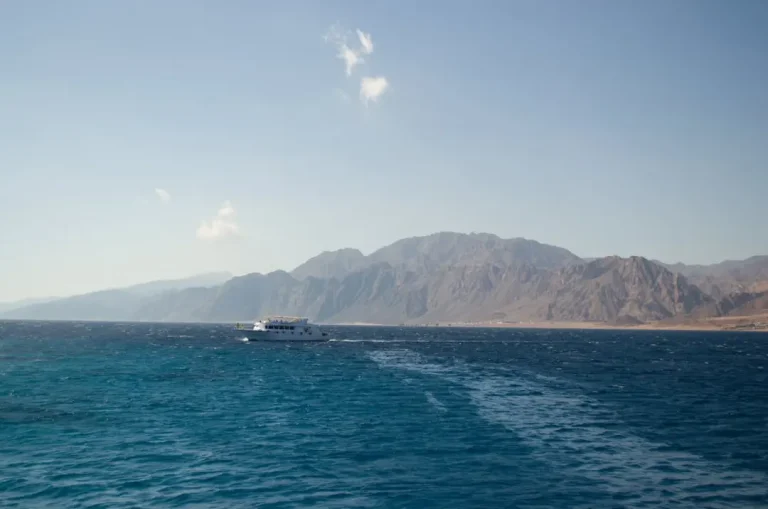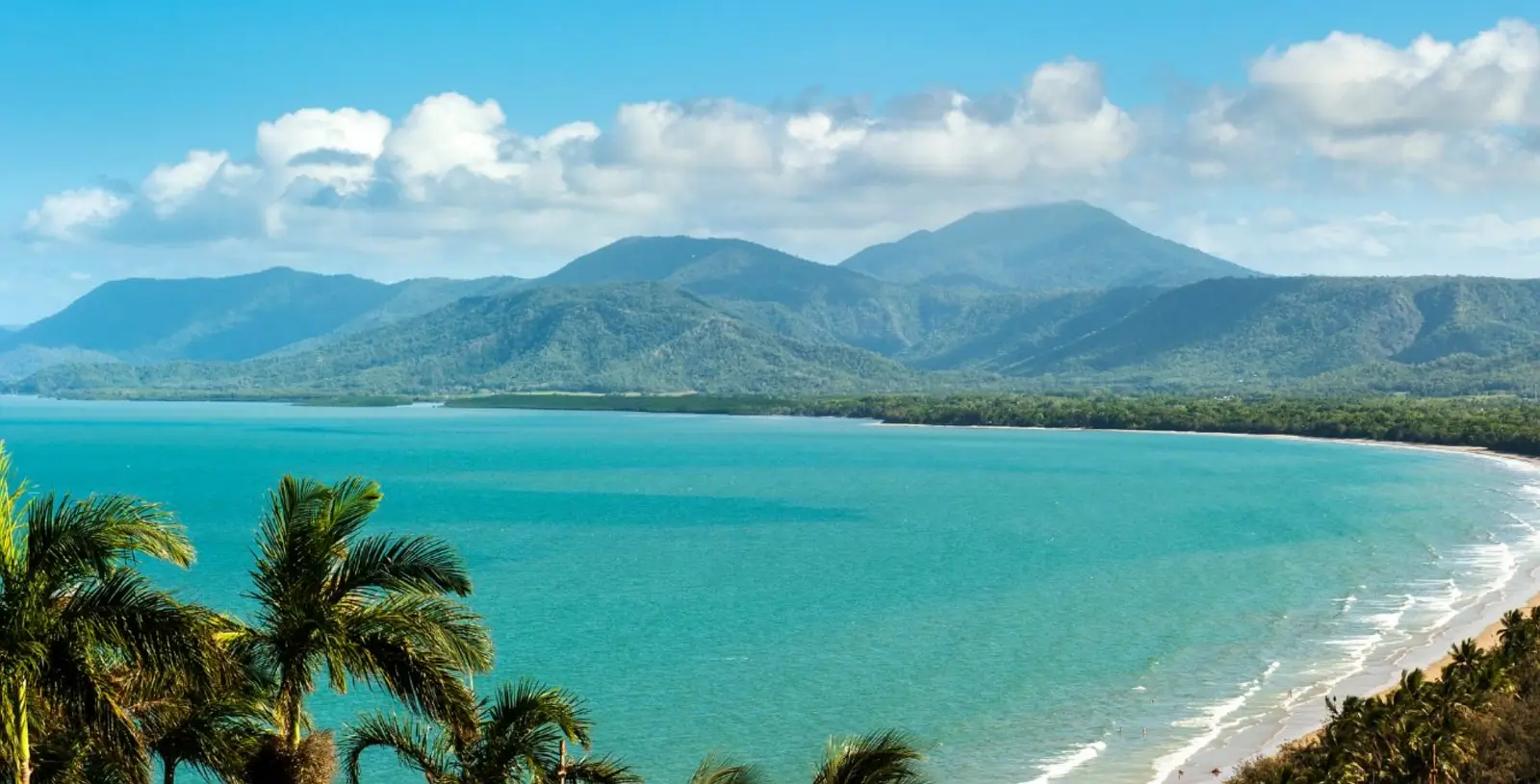
Port Douglas sits at the northern edge of Queensland’s reef system, and the Outer Barrier Reef lies roughly 60 kilometers offshore. The distance matters more than it sounds. You’re looking at a boat ride of around two hours each way, which shapes the entire experience before you even enter the water. Most operators depart early – typically between 7 and 8 in the morning – and the journey itself becomes part of the day. The reef doesn’t feel like a quick excursion. It feels like a commitment.
The actual reef structure out here differs noticeably from the inner reef systems closer to shore. The outer edge drops deeper, the coral formations are larger and older, and the water tends to be clearer because it’s further from coastal runoff. Visibility often sits between 20 and 40 meters on decent days, though this swings considerably with tides, recent weather, and seasonal patterns. The fish life is denser too. You’re more likely to encounter larger pelagic species, sharks, and groupers that simply don’t patrol the shallower inner reefs as regularly.
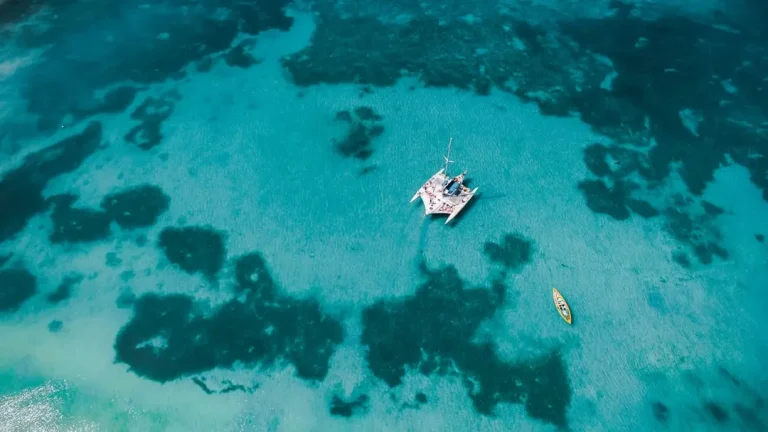
The boat ride out reveals something about the reef’s geography that maps don’t quite convey. The continental shelf drops away gradually, and for much of the journey you’re traveling over relatively shallow water – the inner reef zone – before the deeper blue announces you’re approaching the outer edge. The color change is genuine. It’s not dramatic like a trench, but the water shifts from turquoise to a deeper blue-green, and the seafloor disappears beneath you. Experienced snorkelers and divers notice this immediately and it sets expectations for what’s below.
What the snorkeling experience actually involves
Snorkeling from the outer reef boats typically works differently than snorkeling from inner reef platforms. You’re not anchored at a single site for hours. Most operators run a drift snorkel format, where you enter the water at one location, follow the current, and the boat picks you up downwind. This approach covers more reef and keeps you moving, which sounds efficient until you realize it also means you’re constantly orienting yourself, watching for the boat, and managing your position in open water rather than exploring a stationary site at your own pace.
The water temperature matters here. Even in summer months, the ocean temperature at the outer reef sits around 24-26 degrees Celsius. A thin wetsuit or rash guard becomes genuinely useful, not just optional. People who skip it often regret the decision after 45 minutes in the water, especially if there’s any wind or if you’re slightly built. The boat operators provide wetsuits, but they’re generic and often poorly fitted. Bringing your own is worth considering if you’re sensitive to cold.
Crowd management on the outer reef boats is real. A typical vessel carries 40-60 passengers, and snorkeling groups often enter the water together. You get maybe 45 minutes to an hour in the water before the boat collects everyone and moves to the next site or heads back. This isn’t leisurely exploration. It’s structured tourism with a schedule. The reef itself is vast enough that you won’t feel crushed by other snorkelers, but you’re also not alone. Early morning slots tend to feel less crowded simply because fewer people want to wake up at 6 AM to catch a 7:30 departure.
Diving conditions and site selection
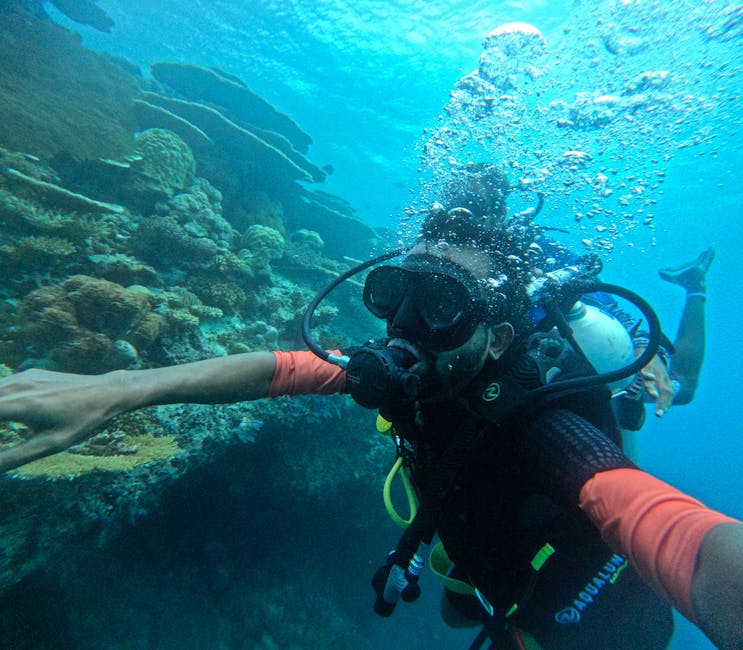
The outer reef offers more depth and variety for divers than snorkelers can access. Most dive sites operate between 12 and 30 meters, with some deeper exploration possible for experienced divers. The coral formations at these depths are substantial – brain corals, plate corals, and branching formations that create genuine structure and habitat rather than just colorful garden-like displays. The fish populations respond to this structure. You see groupers holding station in coral heads, trevally moving through the water column, and smaller reef fish in genuine abundance.
Visibility for diving tends to be better than for snorkeling, partly because you’re descending below the surface layer where particles and light scatter. On clear days, 30+ meter visibility is common. On mediocre days, you might see 15-20 meters. This variation matters because it shapes how the reef feels. Poor visibility makes everything feel closer and more claustrophobic. Good visibility opens up the reef – you can see the structure, the scale, and the movement of larger fish from distance.
The current situation at the outer reef requires attention. The reef sits in open ocean, and tidal flows and wind-driven currents are constant. Some days the water moves gently. Other days it’s noticeably strong. Operators choose sites based on conditions, but you should expect that drifting with current is standard practice, not an exception. This isn’t a problem if you’re comfortable with it, but it’s worth knowing beforehand. You’re not descending to a fixed point and staying there. You’re moving.
Seasonal patterns and timing considerations
The reef experience shifts with seasons in ways that matter more than most travel guides acknowledge. The Australian summer (December through February) brings warmer water, longer daylight, and higher humidity on the boat. It also brings occasional cyclone activity and rougher seas. The water can be murkier from increased rainfall and runoff. Winter months (June through August) offer calmer seas, better visibility, and more comfortable boat conditions, but the water is cooler and the days shorter. Spring (September through November) often represents the sweet spot – warm enough to be comfortable, calm enough for good visibility, and less crowded than peak summer.
Stinger season (November through May) affects outer reef diving and snorkeling less than it does inner reef activities, but it’s still a consideration. The outer reef is further from the coast where stingers concentrate, and the deeper water and current tend to disperse them. Still, some operators recommend stinger suits during peak months, and it’s worth asking about conditions when you book.
The actual rhythm of a reef day follows the boat schedule and the sun. Most operations run morning dives or snorkels, then a lunch break on the boat, then an afternoon session. By late afternoon, fatigue sets in – you’ve been on a boat for hours, spent time in the water, and the novelty has worn off. The ride back to Port Douglas often feels longer than the ride out, partly because you’re tired and partly because the sun is lower and the scenery feels different. This isn’t a criticism of the experience. It’s just the reality of how these days actually unfold.
Operators and the practical side
Port Douglas has several established reef operators, and they vary in approach and quality. Some run larger commercial vessels with 50+ passengers. Others operate smaller boats with 20-30 people. The smaller operations feel less industrial, but they’re also more expensive and often require minimum group sizes. The larger operators have more departures, better infrastructure, and more flexibility if weather forces a cancellation or reschedule.
Equipment rental is standard. Most operators provide snorkels, fins, and masks, plus wetsuits if you want them. The quality varies. Masks sometimes leak. Fins don’t always fit properly. Bringing your own mask is genuinely worth it – a poorly fitting mask ruins the experience. Many experienced reef visitors travel with their own mask, fins, and snorkel specifically to avoid this frustration.
Cost sits somewhere between $150-250 AUD for a snorkeling day trip and $300-400+ for a diving day trip, depending on the operator and whether you’re certified or need instruction. These prices include boat transport, lunch, and equipment. They don’t include tips, which operators expect and which most travelers provide. Budget accordingly.
The journey from Port Douglas to the outer reef involves real logistics. You need to be at the departure point early, the boat ride is substantial, and the day extends from early morning to mid-afternoon or later. This isn’t a half-day activity. It requires commitment and reasonable physical fitness. People with motion sickness should consider medication beforehand – the open ocean can be rougher than expected, and there’s no escape once you’re on the boat.
The outer Barrier Reef from Port Douglas delivers genuine reef experience – deeper water, better visibility, larger coral formations, and more substantial fish life than inner reef options. It’s not a casual snorkel in shallow water. It’s a full-day expedition to actual open ocean reef. That distinction matters when you’re deciding whether it’s worth your time and money. For people who want to see what the reef actually is, beyond the tourist-friendly inner zones, it’s worth the early wake-up and the boat ride.