The Great Barrier Reef sits in that awkward middle ground where it’s simultaneously one of the world’s most accessible coral systems and one of the most expensive to experience properly. You’ll see plenty of operators advertising reef trips under $100, and some of them genuinely deliver. Others feel like you’re paying to sit on a boat while someone points vaguely at the water. The difference comes down to understanding what you’re actually paying for and what conditions you’ll realistically encounter.
The reef stretches over 1,400 kilometers along Queensland’s coast, but the budget-friendly experiences cluster around Cairns, Port Douglas, and the Whitsunday Islands. Each region operates differently depending on tide, season, and which operators have managed to keep their costs down without cutting corners entirely. The water clarity, coral health, and fish activity vary dramatically depending on where you go and when you visit.
What Budget Reef Tours Actually Include
When you book a reef trip under $100, you’re typically getting a few hours on a boat with snorkeling access to either a platform or shallow reef section. Most operators work from established mooring points rather than taking you to pristine outer reef locations. This isn’t necessarily bad – it just means you’re seeing a different part of the system than the premium operators show their clients.
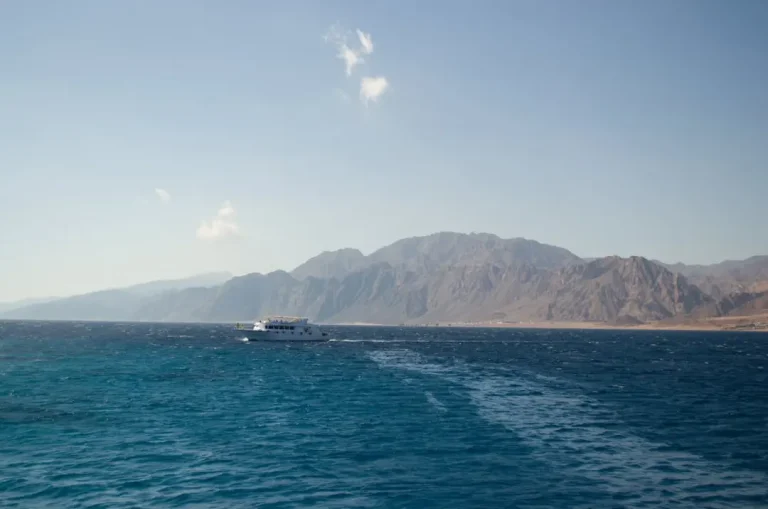
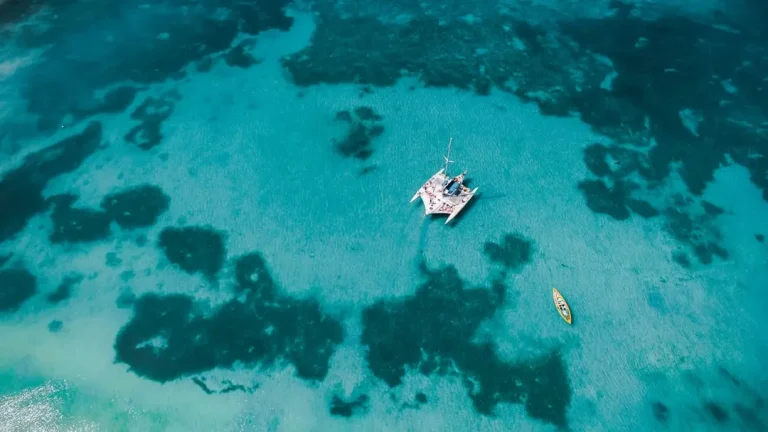
The boat itself matters more than people realize. Smaller catamarans and traditional reef boats move differently than the massive pontoons. On a smaller vessel, you feel the swell more, which can be uncomfortable if the ocean is rough, but you also get closer to the actual reef structure. The larger boats offer more stability and better facilities, but they also carry 200 people instead of 40, which changes the entire atmosphere of the experience.
Lunch is rarely included in budget packages. Some operators throw in a basic sandwich or snacks, but most expect you to bring your own food or buy overpriced items onboard. This is worth factoring into your actual cost. A decent cooler with sandwiches and fruit costs maybe $20 and makes the day significantly more comfortable than being hungry at 2 p.m. on the water.
Cairns Operators: Volume Over Exclusivity
Cairns is where most budget reef tours originate, partly because it’s the tourism hub and partly because operators have optimized the logistics to keep prices down. The downside is that you’re competing with hundreds of other tourists for the same mooring points on the same day. Early morning boats (departing around 8 a.m.) tend to be less crowded than the mid-morning departures, though the water clarity is often identical.
The Outer Barrier Reef near Cairns is genuinely worth experiencing, but the budget tours typically use platform-based operations rather than taking you to the most pristine sections. You’ll see healthy coral and a decent variety of fish, but it’s the reef equivalent of a well-maintained public garden rather than wilderness. That said, if you’ve never snorkeled on a coral reef before, this distinction matters less. The experience is still remarkable.
One practical detail: Cairns reef boats depart from the city center, which means you’re looking at a 1.5 to 2-hour journey each way. You’re spending roughly 4 hours traveling for 3 to 4 hours in the water. This affects how you feel by the end of the day. Some people find the boat time relaxing; others find it tedious. The water motion on the return journey, especially if the wind has picked up, can leave you feeling fatigued even if you didn’t exert yourself much.
Port Douglas and the Slightly Closer Option
Port Douglas sits about 70 kilometers north of Cairns and offers a different approach to budget reef access. The boat rides are shorter, typically 45 minutes to an hour, which means less time being rocked by swell and more actual reef time. The operators here tend to be smaller and slightly more personable, though prices remain competitive.
The reef around Port Douglas includes some sections that feel less crowded than the Cairns platforms, partly because fewer tourists base themselves in Port Douglas itself. The town is quieter, the accommodation is more varied, and the overall pace feels less industrial than Cairns. If you’re already staying in Port Douglas for other reasons, a reef tour here makes logistical sense.
Water clarity in this region depends heavily on season and recent rainfall. During the wet season (November to March), river runoff can reduce visibility significantly. The dry season (May to October) generally offers clearer water, though conditions vary week to week. If you’re flexible with timing, checking recent trip reports from specific operators gives you a better sense of current conditions than any general seasonal guide.
The Whitsunday Islands: Different Economics
The Whitsundays operate on a different cost structure than the Cairns region. Accommodation and general living costs are higher, which affects overall trip pricing. However, reef tours from islands like Airlie Beach can sometimes undercut Cairns operators because the boat journeys are shorter and the operational costs are lower for some companies.
The reef around the Whitsundays is closer to the islands than the outer reef near Cairns, which means less travel time and more water time. The coral health varies by location, but several sections offer good snorkeling without the industrial feel of the major Cairns platforms. You’re also more likely to encounter smaller tour groups here, which changes the experience fundamentally.
One consideration: the Whitsundays attract a different demographic of tourists – more couples, more backpackers doing island-hopping routes, fewer large family groups. This affects the social atmosphere on the boats and the overall vibe of the experience. If you prefer smaller, quieter reef experiences, this region often delivers better value than Cairns despite similar pricing.
What Makes a Budget Tour Actually Worth the Money
The best budget reef experiences share a few characteristics. The operator limits group sizes to something manageable, even if it means charging slightly more than the absolute cheapest option. The guide actually knows the reef and points out things you’d miss on your own – specific fish species, coral formations, seasonal behaviors. The boat is maintained well enough that you’re not worried about mechanical issues mid-journey.
Snorkeling skill matters more than most people admit. If you’re comfortable in the water and can breathe calmly through a snorkel, you’ll see far more than someone who’s anxious and exhausted after five minutes. Some operators offer brief training sessions; others assume basic competence. If you’re new to snorkeling, doing a trial run in a pool or calm beach water before your reef trip pays dividends.
The timing of your visit within the year affects what you see. Summer (December to February) brings warmer water and more fish activity but also higher prices and more tourists. Autumn and spring offer a middle ground – decent conditions, fewer crowds, slightly lower prices. Winter (June to August) brings the clearest water but cooler temperatures and occasional rough seas.
Where Budget Tours Fall Short
The cheapest operators often cut corners on safety equipment, guide training, or boat maintenance. This isn’t universal, but it’s common enough that checking reviews specifically mentioning safety and guide quality is worth the time. A tour $10 cheaper than competitors sometimes costs that money through poor snorkel equipment, rushed explanations, or overcrowded conditions.
Reef photography is rarely included in budget packages. If underwater photos matter to you, either bring your own waterproof camera or budget separately for a photography add-on. The quality varies dramatically depending on equipment and the photographer’s skill.
Some budget tours skip the outer reef entirely and operate only on inner reef sections or platform-based systems. These aren’t necessarily bad – the coral and fish life can be excellent – but they’re different experiences. If you’re specifically wanting to see the “real” outer barrier reef, confirm the tour actually goes there before booking.
The reef itself has changed over the past decade. Coral bleaching events have affected different sections differently. Some areas have recovered well; others are still rebuilding. Operators are generally honest about current conditions, but expectations set by older photos or descriptions don’t always match what you’ll actually see. Recent trip reviews from the current month or season give you a more accurate picture than anything else.
Spending under $100 on a reef experience is entirely feasible if you’re willing to accept that you’re getting a structured, group-based introduction to the reef rather than an exclusive or pristine experience. The value exists in the water itself – the coral, the fish, the sheer scale of the system. What you’re paying for is reliable access to that environment, and most budget operators deliver that adequately. The key is knowing what you’re actually getting and whether it matches what you’re hoping to experience.