Remote coral reefs rarely feel impressive at first glance. When boats approach them from open water, the reef may appear as little more than a faint line of breaking waves or a small strip of sand surrounded by blue sea. The true scale of these places becomes clear only after arriving and spending time exploring the surrounding water.
Many reef travelers first encounter coral ecosystems near well-known destinations where infrastructure and tourism make access relatively easy. Boats depart daily from coastal towns, and snorkeling sites are carefully chosen to provide reliable conditions for visitors.
Remote reefs are different.
Reaching them often requires longer journeys across open water. Navigation depends on weather conditions and local knowledge rather than regular tour schedules. Sometimes the journey itself becomes the most memorable part of the experience.
The Journey Across Open Water
Travel toward remote reefs often begins long before the coral itself becomes visible. Boats leave harbors early in the morning, moving steadily across open ocean toward distant reef systems.
During these hours the horizon usually remains empty except for occasional seabirds gliding above the water. The ocean surface changes gradually as the boat moves farther from the mainland.
Shallow coastal waters give way to deeper ocean colors. The sea becomes darker and more uniform, broken only by the occasional passing swell.
Eventually small changes begin appearing along the horizon. A line of white water might indicate waves breaking across a distant reef crest. Sometimes the first sign of the reef is a subtle shift in water color where the ocean becomes shallower.
These signals tell experienced captains that the reef is close.
First Impressions of a Remote Reef
Arriving at a remote reef often brings an immediate sense of space. Without nearby towns or heavy boat traffic, the surrounding ocean feels vast.
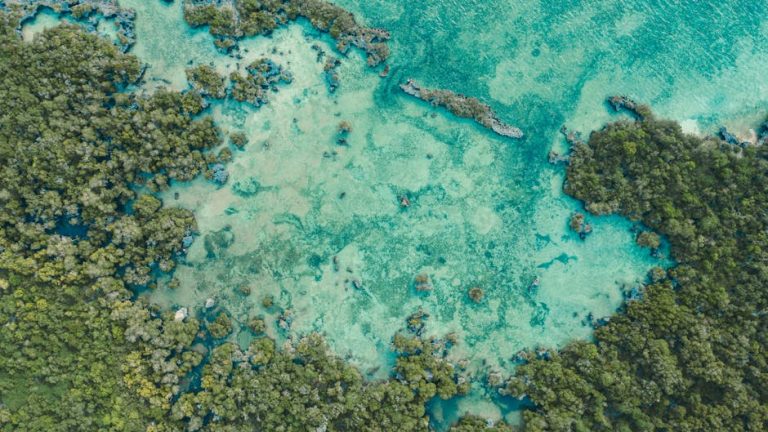
The reef itself may consist of little more than coral formations rising toward the surface with a narrow island or sand cay at its center. Yet beneath the water lies an extensive ecosystem stretching far beyond what can be seen from the boat.
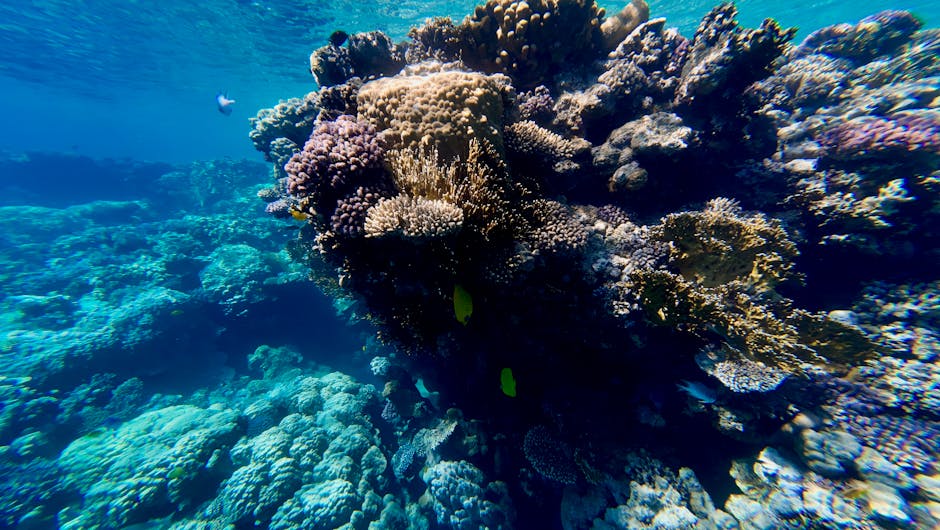
In many cases the lagoon inside the reef remains calmer than the surrounding sea. Coral gardens spread across the lagoon floor, while deeper channels cut through the reef platform toward open water.
The environment feels untouched not because it is isolated from the world, but because fewer people pass through it each day.
The Silence of Distant Reefs
One of the most striking differences between remote reefs and heavily visited locations is the sound—or rather the absence of it. Engines, voices, and distant harbor noise are replaced by wind and water.
Standing on a small reef island, the only continuous sound often comes from waves breaking along the outer reef crest. These waves create a soft but constant rhythm that carries across the lagoon.
Closer to shore, the lagoon water moves more gently. Small ripples slide across the coral rubble beaches, leaving faint patterns in the sand before retreating again.
The overall atmosphere feels calm and spacious.
Marine Life in Less-Visited Reefs
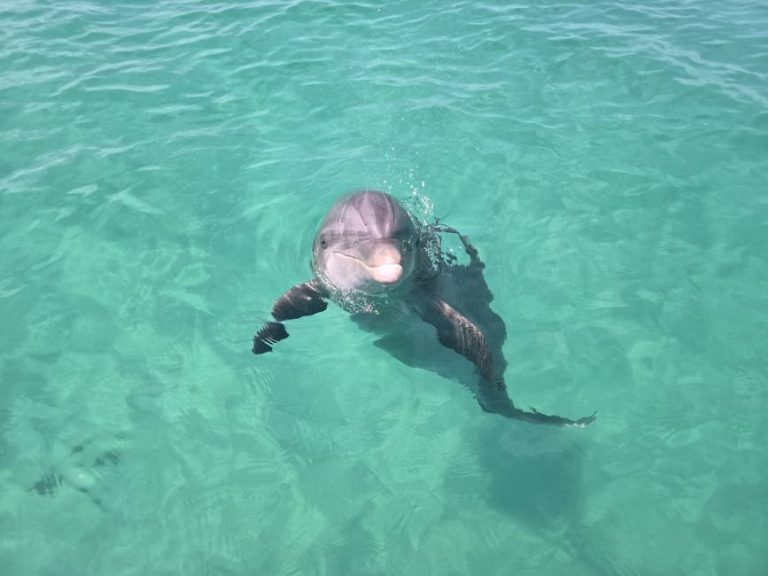
Remote reefs sometimes support marine life populations that behave differently from those near busy tourist areas. Fish may remain less cautious around swimmers because they encounter fewer disturbances.
Large schools of fish occasionally gather along reef slopes where currents bring food from deeper water. Turtles appear in lagoon areas grazing on algae growing across coral surfaces.
These encounters rarely feel staged or predictable.
Instead they unfold naturally, as if the reef continues following its normal rhythm regardless of the observer’s presence.
The Role of Weather
Weather becomes particularly important when traveling to remote reef locations. Without nearby shelter or alternative destinations, boats must carefully consider wind and wave conditions before making the journey.
Calm seas allow vessels to cross open water comfortably and anchor within reef lagoons. Strong winds can make those same routes difficult or even unsafe.
For this reason travelers often remain flexible when planning trips to distant reefs. The schedule may shift slightly depending on conditions.
This unpredictability becomes part of the experience rather than an inconvenience.
The Feeling of Distance
Perhaps the most memorable aspect of remote reefs is the sense of distance they create. Standing on a small coral island surrounded by open ocean can produce the impression of being far removed from ordinary life.
Yet the reef itself remains full of activity. Fish move constantly through coral formations. Currents carry nutrients across the reef slopes. Seabirds circle above the lagoon searching for small fish near the surface.
The environment feels both peaceful and alive at the same time.
Travelers who spend time in these places often find that the quiet atmosphere changes how they perceive the ocean.
Leaving the Reef
Departing from a remote reef usually feels different from leaving more familiar destinations. As the boat begins moving away, the coral formations gradually shrink into the distance.
The reef that felt so large while exploring it becomes a small shape surrounded by open sea.
Eventually the line of breaking waves disappears entirely behind the horizon.
Yet the memory of the place remains surprisingly vivid. Remote reefs have a way of leaving lasting impressions not because of dramatic events, but because of the quiet experience of being surrounded by ocean.
In the end, it is often that sense of space and stillness that travelers remember most.