Osprey Reef exists at a threshold. It’s not quite part of the Great Barrier Reef system, though it sits within the Coral Sea Marine Park. The reef rises from the continental shelf roughly 60 kilometers northeast of Cairns, far enough offshore that the journey alone becomes part of the experience. Most divers who make the trip describe it differently than they expected. The remoteness isn’t romantic in the way tourism copy suggests. It’s genuinely isolating, and that isolation is precisely what makes the diving remarkable.
Getting there means committing to a full day on the water. A liveaboard vessel or day boat leaves Cairns in the early morning, and the crossing takes between four and six hours depending on sea conditions and which part of the reef you’re heading toward. The Coral Sea can be rough. On days when the wind picks up from the south, the boat pitches enough that seasickness becomes a real concern for people who don’t usually suffer from it. The horizon stays empty for most of the journey. No islands appear. No other boats. Just the open water and the sky, which can feel either meditative or claustrophobic depending on your temperament.
Why the Distance Matters
The remoteness isn’t incidental to what makes Osprey special. It’s the reason the reef feels untouched. Commercial fishing pressure, anchor damage, and casual diver traffic that affects many parts of the Great Barrier Reef barely registers out here. The coral formations look healthier. The fish populations behave differently. Schools of barracuda and trevally move through the water with less wariness than they do in areas where they’ve learned to associate divers with potential threats.
The reef itself is a dramatic structure. It’s not a gentle slope but a steep wall that drops into deep water. The top of the reef sits in relatively shallow water, while the sides plunge down past 40 meters. This topography creates distinct diving experiences depending on where you enter the water. The wall dives offer encounters with larger pelagic species. The shallower coral gardens attract different fish and provide better light for photography. Most operators run multiple dives during a visit, allowing divers to experience different sections.
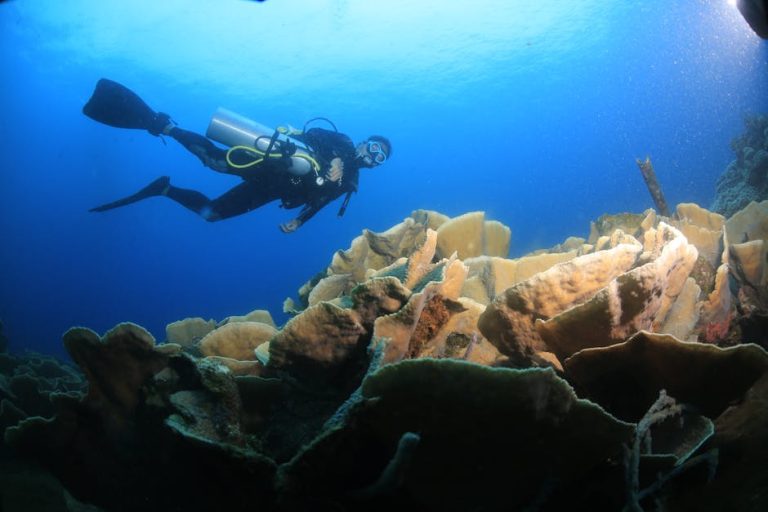
The coral coverage varies across the reef. Some areas feature dense branching corals and dense table formations. Other sections show more scattered growth, with larger boulders and sand patches between coral heads. The variation means you’re not just repeating the same dive repeatedly. The second dive feels genuinely different from the first, even if you’re entering the water from the same boat.
Check real traveller reviews, prices, availability, departure points, and flexible booking options in one place.
What You Actually See Below
Osprey’s reputation rests partly on shark encounters. The reef is known for wobbegongs, which are carpet sharks that rest on the bottom during the day. They’re not aggressive, and they’re genuinely beautiful to observe if you spot them. Reef sharks appear regularly, though the frequency depends on the season and the specific day. Some divers visit and see multiple sharks. Others complete their dives without encountering any. The expectation of constant shark action is one area where reality diverges from the marketing narrative.
The fish life is what stands out most consistently. Humphead wrasse, which are large and relatively uncommon in many reef areas, appear regularly here. Schools of fusiliers move through the water column in coordinated patterns. Groupers and snappers shelter in coral crevices. The abundance feels genuine rather than concentrated for viewing purposes. You’re observing fish behavior that hasn’t been altered by years of diver interaction.
Visibility varies significantly. On good days, you can see 30 to 40 meters. On less favorable days, it drops to 15 or 20 meters. The Coral Sea is less protected than the reef lagoon, so water clarity depends on recent weather patterns and tidal movements. Divers planning a trip should understand that visibility is never guaranteed, even at this remote location. The reef’s reputation sometimes creates an expectation of perfect conditions that doesn’t always materialize.
The Physical Reality of Getting There
The boat journey creates a specific kind of fatigue that’s worth acknowledging. Spending four hours on a moving vessel, then gearing up to dive, then spending another four hours returning to Cairns adds up to a long day. You’re not just tired from the diving itself. The motion of the boat, the sun exposure, and the general intensity of the experience combine to create a particular exhaustion. Divers who are used to reef dives closer to shore sometimes underestimate how much the journey contributes to overall fatigue.
Sea conditions determine whether the trip even happens. If the Coral Sea is too rough, boats don’t depart. This isn’t a rare occurrence during certain seasons. From November through March, cyclone season brings unpredictable weather. Even outside cyclone season, the Coral Sea can generate significant swells. Divers planning a trip need flexibility in their schedules. Booking a single day trip and hoping for the best is a gamble. Liveaboard trips of three to five days improve the odds that you’ll get at least one or two good diving days.
The cost reflects the distance and logistics. Day trips from Cairns run between $400 and $600 per person. Liveaboard trips cost significantly more. This isn’t a casual dive destination for budget travelers. The expense is worth considering honestly before committing to the journey.
Seasonal Patterns and Timing
The best diving window runs from April through October. During these months, the weather is more stable, visibility tends to be better, and the sea state is generally calmer. Water temperature sits around 24 to 26 degrees Celsius, which is warm enough that most divers use a light wetsuit or rash guard rather than a full suit. The light is strongest in the morning dives, which is when operators typically schedule the deeper wall dives.
The dry season in northern Australia creates a different atmosphere at Osprey than what you experience during other times of year. The water feels different. The air feels different. The rhythm of the boat and the divers aboard shifts. If you’ve dived the reef during the wet season, returning during the dry season will feel like visiting a different location, even though it’s the same reef.
Osprey Reef demands respect for distance and conditions. It’s not a destination where you show up expecting a predictable experience. The remoteness that makes the diving exceptional also means you’re accepting uncertainty about weather, visibility, and sea state. Divers who understand this going in tend to have better experiences than those expecting a polished, controlled encounter. The reef rewards preparation, flexibility, and genuine interest in what remote diving actually feels like.
Compare top-rated tours, prices, availability, and real traveller reviews before booking. See what’s actually available for your dates and departure location.
Compare tours and check availability