There are wrecks you dive because they’re historically significant, and there are wrecks you dive because the marine life is extraordinary. The SS Yongala is one of the very few in the world that earns both labels simultaneously – and then exceeds them.
The Yongala sank on 23 March 1911 during Cyclone Leonta, taking 122 passengers and crew to the bottom of the Coral Sea, 17 kilometres from Cape Bowling Green off the coast near Townsville. She was found by chance in 1958. She is now protected under the Historic Shipwrecks Act and is considered one of the top wreck dives on the planet. I’d go further than that. I’d say she’s one of the top dives, full stop.
What You’re Actually Diving
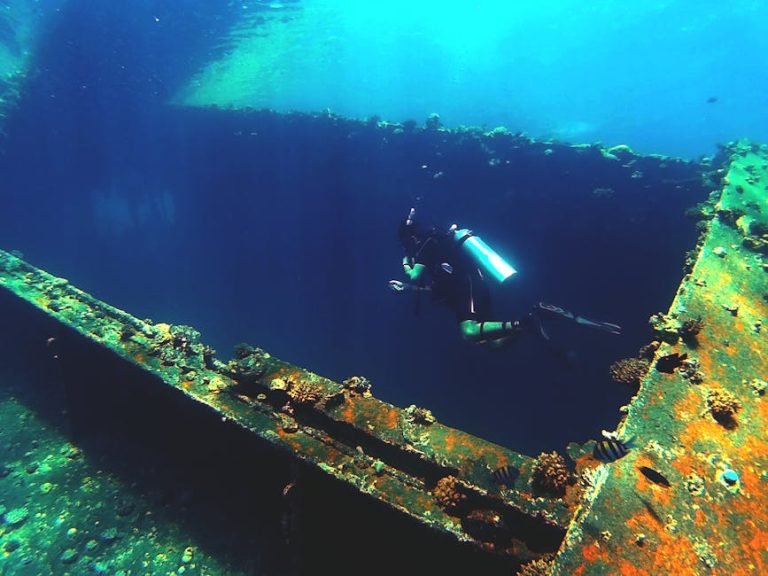
The Yongala lies on a sandy bottom at 14 to 28 metres, perfectly upright, her hull intact, her superstructure collapsed but recognisable. She’s 109 metres long – a substantial vessel, big enough that you won’t cover her in one dive, big enough that you can lose yourself in the exploration of it.
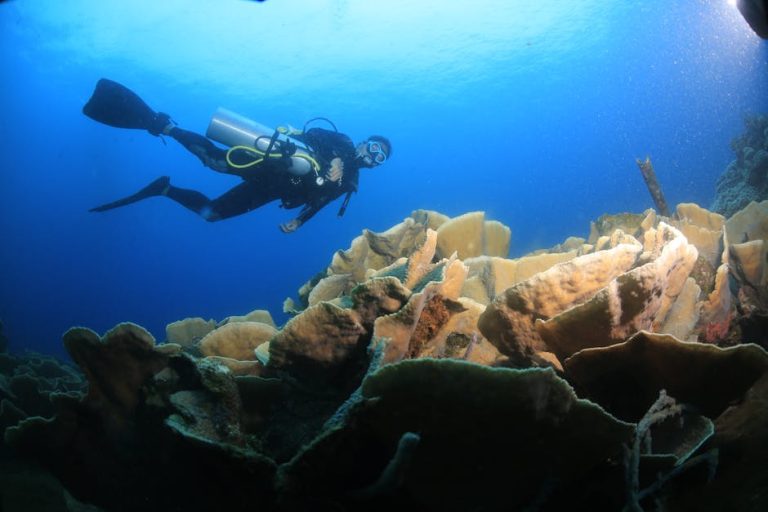
But the hull is almost secondary. What makes the Yongala extraordinary is what has colonised it in the 115 years since she went down. The wreck is so densely covered in marine life that in some sections you can barely make out the steel beneath. Giant grouper the size of coffee tables hover in the shadows of the hull. Enormous sea turtles rest against the wreck with the proprietorial calm of animals that have been there a long time. Bull sharks and tiger sharks cruise the blue water beyond the bow. Massive schools of barracuda hang in formation over the stern.
On a single dive, it is entirely possible to see more large marine animals than most divers encounter in a month of tropical diving.
Check real traveller reviews, prices, availability, departure points, and flexible booking options in one place.
Getting to the Yongala
The wreck sits about 90 kilometres from Townsville and is accessible as a day trip, typically from either Townsville or Ayr, though some operators run from Magnetic Island. The boat journey takes roughly 90 minutes from the closest departure points. Weather is the primary variable – the site is exposed, and if the Coral Sea is running big, trips are cancelled. Visibility on the wreck can range from 5 metres on a bad day to 25 metres on a perfect one. Most days land somewhere comfortably in between.
The dive itself is not technically demanding, but it carries a few conditions that newer divers need to understand. There is often current on the wreck, sometimes significant current, and the depth reaches 28 metres which puts it at or beyond the comfortable range for Open Water certified divers on their first few ocean dives. Most operators recommend Advanced Open Water certification or at minimum 20 logged dives before diving the Yongala. This isn’t gatekeeping – it’s practical. The current and depth combine to make buoyancy control genuinely important here.
Two Dives Are Better Than One
Most day trips include two dives on the wreck, and I’d argue both are necessary to do it justice. The first dive almost always involves a period of adjustment – you’re processing what you’re seeing, managing the current, orienting yourself to a 109-metre wreck in open water. The second dive is where the real experience happens. You’ve relaxed into it. You know where the grouper live. You find the cleaner stations where turtles queue patiently for wrasse to work on their shells. You slow down and let the wreck show you what you’ve missed.
Between dives, operators typically moor on the surface above the wreck. Surface intervals on a gentle Coral Sea swell, surrounded by nothing but water, are their own particular pleasure.
The History Beneath the Marine Life
It’s easy to get lost in the biology and forget what you’re actually looking at. The Yongala was a passenger steamer on the Melbourne to Cairns run. The 122 people who died on her – immigrants, tourists, a travelling circus and their animals – were never recovered. The wreck is their tomb, and diving it carries a weight that goes beyond wildlife counting.
I think about this every time I descend the mooring line and the hull comes out of the blue. It’s not a sad feeling, exactly. More a particular kind of reverence. The reef has absorbed this tragedy completely, transformed it into something else entirely – a sanctuary, a nursery, one of the densest concentrations of marine life on the Queensland coast. The Yongala is a reminder that nature has a very long memory and very particular ideas about what belongs to it.
Practical Information
The Yongala is dived year-round, with the dry season months of May to October generally offering the best conditions. Water temperature ranges from around 20 degrees Celsius in winter to 29 degrees in summer. A 3mm wetsuit covers most of the year comfortably; some divers go to 5mm in the cooler months.
No penetration diving is permitted inside the wreck – it’s protected heritage and the structure is not stable enough to enter safely. All diving is external, which is still more than enough. The Yongala doesn’t need to be entered. Everything worth seeing is already on the outside, watching you back.
Compare top-rated tours, prices, availability, and real traveller reviews before booking. See what’s actually available for your dates and departure location.
Compare tours and check availability