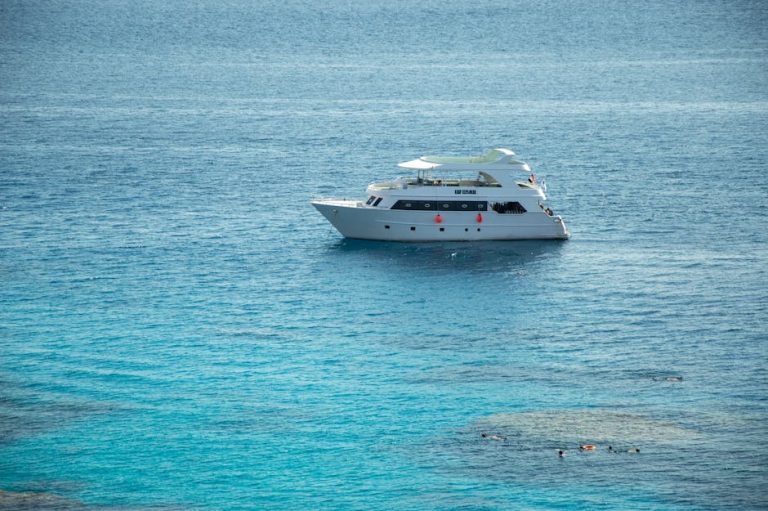
The most expensive liveaboard I’ve ever been on was not the best liveaboard I’ve ever been on. The best liveaboard I’ve ever been on was a mid-range vessel out of Cairns with twelve guest berths, a dive guide who had been working the Coral Sea for eleven years, and a cook who somehow produced food better than most restaurants I’ve eaten at on land, despite working in a galley the size of a large wardrobe.
What made it good was not the quality of the mattress or the size of the cabin. It was the guide’s knowledge of where to look and the cook’s decision to take the job seriously. Both of those things are invisible in the promotional material. Finding them requires research that goes beyond the brochure photographs.
The Vessel Categories
Australian liveaboard vessels fall into four broad categories, each with its own cost range, accommodation style, and character.
Budget dive boats are the functional end of the market: vessels where the accommodation is dormitory-style (four to eight bunks per cabin, shared bathrooms), the food is sufficient rather than good, and everything about the operation is optimised for diving rather than comfort. These boats attract divers who are primarily on the reef and consider the surface interval a necessary interruption. The diving is identical to more expensive vessels. The nightly rate is considerably lower. If you sleep well in communal spaces and don’t require privacy, these represent the best value in liveaboard diving.
Mid-range vessels typically offer smaller shared cabins (two to four berths) or private twin/double cabins, individual or shared bathrooms depending on layout, and a noticeable step up in food quality. This is the largest segment of the Australian market and contains the widest range of actual quality — some mid-range boats are genuinely excellent, others are budget boats that have been superficially upgraded. The details that distinguish them are discussed below.
Premium liveaboards offer private cabins with en suite bathrooms, high-quality food, smaller guest numbers (typically twelve or fewer), and a higher staff-to-diver ratio that translates to more personalised diving guidance and longer time on interesting sites. The price difference from mid-range is substantial — often double. The justification depends on how much the non-diving elements of the trip matter to you. For a seven-day trip where you’ll spend significant time in your cabin, at the dining table, and on the sun deck, quality of these spaces is not trivial.
Sailing liveaboards are a separate category — monohulls and catamarans where the travel between sites is as much a part of the experience as the diving. Common in the Whitsundays and increasingly in the Coral Sea. The trade-off is speed (sailing vessels are slower than motor vessels, which limits how far you can travel per day) versus character (there is something genuinely different about arriving at a reef site under sail versus under motor).
What Actually Determines Trip Quality
After more than forty liveaboard trips across Australia and the Indo-Pacific, these are the factors that consistently determine whether a trip is excellent or merely good:
Dive guide experience and knowledge. This is the single most important variable. A guide who has been diving the specific itinerary for years knows where the unusual animals are, what time of day the specific behaviour occurs, which section of wall is best in which current condition, and where to position the group for the best angle on an approach. A guide on their first season has none of this. It’s not about enthusiasm — young guides are often enthusiastic. It’s about accumulated site-specific knowledge that takes years to develop.
Ask, before booking, who your dive guide will be and how long they’ve been working that particular itinerary. Operators who know the answer to this question and answer it specifically are operators worth booking with.
Group size. A dive group of eight shares a site differently from a dive group of twenty-four. At the North Horn on Osprey Reef, twenty-four divers surrounding a shark creates a fundamentally different encounter from eight divers hovering at the edge of the site while the guide observes. Most things that make reef diving good — proximity to animals, the stillness of waiting, the sense that you’re witnessing something rather than participating in a performance — improve with smaller groups.
Maximum group sizes vary from eight to thirty-six across the Australian market. This is not a proxy for quality across all dimensions, but for the specific quality of underwater encounters, smaller is consistently better.
Food. You eat three meals a day on a liveaboard. The quality of those meals — their freshness, their variety, the care taken with them — shapes the entire surface-interval experience. This sounds mundane but it isn’t. After four dives and a night crossing, a well-made dinner is not a minor thing. Read reviews specifically for food quality before booking.
Dive equipment facilities. Camera rinse tanks (separate from the general equipment rinse to prevent flooding housings with tank spray), charging stations for dive computers and camera batteries, adequate space to kit up without queuing, and reliable nitrox fills if you’re a certified Nitrox diver. These seem like logistics but they determine how much friction exists in your diving day.
Nitrox availability. Enriched Air Nitrox — typically 32% oxygen versus air’s 21% — extends your no-decompression limits at depths between 15 and 30 metres. On a trip where you’re doing four dives a day over five days, this is meaningful. Most modern liveaboards offer Nitrox fills; confirm before booking and ensure your Nitrox certification is current.
Reading Reviews
Online reviews of liveaboards are useful but require calibration. The reviews most worth reading are: recent (conditions and staff change; a five-star review from three years ago is limited information), specific (mentions specific guides by name, describes specific sites and conditions), and written by people whose dive experience level matches yours.
Ignore reviews that primarily discuss the non-diving experience from divers who seem to have expected a cruise ship. Ignore reviews written during unusual weather conditions (cyclone-delayed trips, exceptional visibility reports) that may not reflect typical conditions. Weight heavily the reviews that discuss guide knowledge and site quality at length.
The forums worth searching before booking: ScubaBoard has an active Australian liveaboard discussion section with candid operator assessments. Undercurrent (subscription) publishes detailed independent liveaboard reviews. Facebook groups for Australian divers have real-time operator assessments from people who have been aboard recently.
Booking Logistics
Most Australian liveaboard operators accept bookings directly via their websites or through aggregator platforms (Diviac, Liveaboard.com). Aggregators offer price comparison across operators but occasionally have pricing that differs from the operator’s direct rate — check both.
Deposits are typically required at booking (30–50% of the trip cost), with the balance due some weeks before departure. Cancellation policies vary significantly — understand them before you pay, and consider trip insurance for a multi-day liveaboard booking.
For Coral Sea trips during peak season (June through September), book four to six months in advance. The best vessels at the best price points sell out. The itineraries you most want don’t hold availability for last-minute bookers.
Choose the guide more than the boat. Choose the group size more than the cabin. Get on the water. The rest, as every liveaboard veteran will tell you, takes care of itself.