Magnetic Island sits in the waters off Townsville, Queensland, about twenty minutes by ferry from the mainland. It’s one of those places that exists in a strange middle ground – close enough to a major city that it’s technically accessible, far enough away that it hasn’t been fully consumed by the tourism machine. The island has a reef, decent diving and snorkeling, a small permanent population, and a rhythm that feels more like a working community than a resort destination.
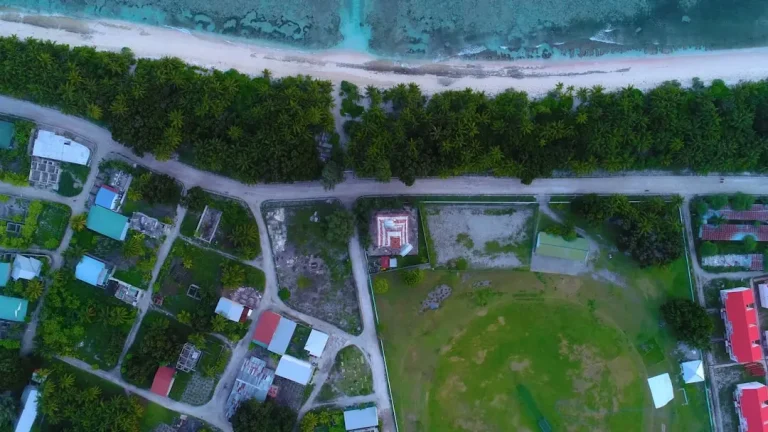
What strikes you first when you arrive isn’t the postcard scenery. It’s the ordinariness of it. The ferry terminal opens onto a modest jetty. There’s a general store, a few cafes, some weathered accommodation scattered across the island. The roads are narrow and winding. The beaches aren’t pristine white sand – they’re functional, sandy, backed by bushland that actually looks like it belongs there rather than something manicured for photographs. This is what makes the place feel different. It doesn’t perform tourism. It just exists, and tourism happens around the edges.
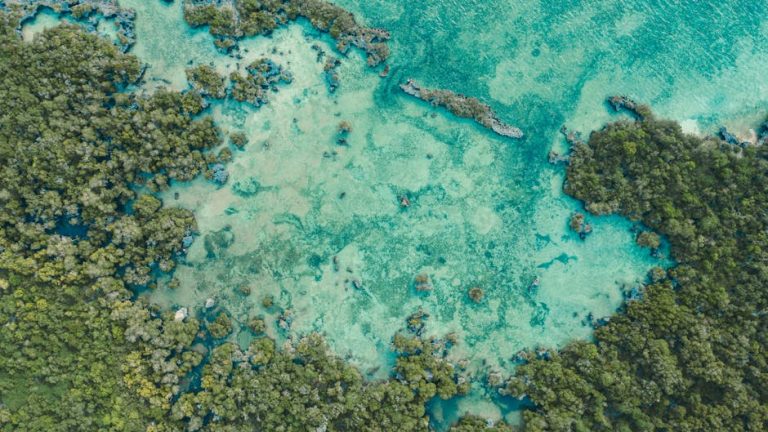
The reef system here is part of the Great Barrier Reef, but it’s not the dramatic, crowded snorkeling experience you might expect from that name. The coral is present and alive, but the water clarity varies significantly depending on the season and tide. During the dry season – roughly May through September – visibility tends to be better, and the water feels cleaner. In the warmer months, particularly November through March, the water can be murky, and the heat becomes genuinely oppressive. The island sits in a region where cyclone season is a real consideration, not just a footnote in a travel guide. Most serious visitors time their trips to avoid the wet season entirely.
What Actually Happens Here
The main activity is water-based. Snorkeling from the beaches is possible, though you’re often sharing the reef with fish and sea turtles that are going about their business, not performing for an audience. The visibility from shore varies. Some days the water is clear enough to see the coral structure clearly. Other days you’re squinting through a haze of plankton and sediment. This inconsistency is part of the reality of reef tourism that brochures don’t mention.
There are dive operators on the island, and the diving is solid without being exceptional. The sites are accessible and suitable for various skill levels, but this isn’t a world-class diving destination like some of the outer reef locations. The appeal is more about convenience and the fact that you can do it without a major expedition. You can also take a glass-bottom boat tour, which is exactly what it sounds like – a practical way to see the reef without getting wet, popular with families and people who don’t swim.
Beyond the reef, the island itself has walking trails through bushland. They’re pleasant, shaded, and genuinely quiet. You’ll encounter locals more than tourists on these paths. The island has a small population of permanent residents who treat it like home, not a theme park. This creates an atmosphere that feels lived-in rather than performed.
The Timing Question
When you visit matters more than most travelers realize. The island is busiest during Australian school holidays and weekends, when day-trippers from Townsville arrive on the ferry. If you’re staying overnight, you’ll notice the difference between daytime crowds and the quieter evenings. Early morning on the beaches is genuinely peaceful. By mid-morning, especially on weekends, there are noticeably more people.
The weather shifts dramatically across the year. The dry season offers consistent, warm days with lower humidity and clearer water. The wet season brings heat, humidity, occasional heavy rain, and the possibility of stingers in the water – marine creatures that make swimming unpleasant or dangerous depending on the species. Most visitors avoid this period entirely, which means the island feels even quieter if you do happen to visit then, though the infrastructure is less geared toward visitors during these months.
Getting Around and Staying
The island is small enough to navigate without a car, though having one gives you more flexibility. The main town area is walkable. Accommodation ranges from budget hostels to mid-range resorts and holiday rentals. Nothing here is luxury or particularly expensive by Australian standards. The places to eat are casual – cafes, fish and chips shops, a few restaurants. The food is standard Australian coastal fare, not refined or particularly memorable, but adequate.
The ferry journey itself is worth noting. It’s a genuine working ferry, not a tourist boat with commentary. The crossing takes about twenty minutes and costs around fifteen dollars each way. The water can be rough depending on conditions, and some people do get seasick. It’s worth knowing this before you commit to the trip, especially if you’re prone to motion sickness.
What you won’t find here is nightlife, shopping, or the kind of entertainment infrastructure that larger resort islands offer. There’s a pub, a few cafes that stay open in the evening, and that’s largely it. If you’re looking for activity and distraction, you’ll be disappointed. If you’re looking for a place to sit, swim, walk, and exist without constant stimulation, it works.
The Actual Experience
Spending time on Magnetic Island feels less like a vacation and more like being somewhere that happens to have water and reef access. You wake up, you might go snorkeling or diving. You might walk a trail. You eat lunch. You sit and read. The rhythm is slow. The place doesn’t push experiences at you.
The reef itself is worth the visit if you’re interested in marine life, but manage your expectations about clarity and abundance. You’ll see fish, coral, probably a sea turtle or two. It’s not a world-changing experience. It’s a functional, pleasant encounter with a reef ecosystem that’s still alive and functioning, which is worth something in itself.
The island works best as a short stay – two or three days – rather than a week-long destination. It’s close enough to Townsville that you could do it as a day trip, though staying overnight gives you access to the quieter hours and a slower sense of place. It’s the kind of destination that appeals to people who want to be near reef and water without the intensity of a dedicated diving trip or the resort experience of a major island destination.
Magnetic Island doesn’t feel like a secret in the sense of being unknown. Plenty of people visit. But it does feel like a place that hasn’t been packaged and resold as a tourism product. It’s still a working town where tourists happen to come. That distinction matters if you’re looking for somewhere that feels real rather than designed.