The Great Barrier Reef doesn’t announce itself gently. You walk into the water from a beach somewhere north of Cairns or off an island in the Whitsundays, and within a few meters the bottom drops away. The water temperature is warm enough that you don’t feel the shock. The light shifts. Suddenly you’re surrounded by the kind of density and color that photographs never quite capture – not because photos lie, but because they can’t convey the actual sense of being suspended in a living system.
Shore dives along the reef exist in a particular pocket of accessibility. You don’t need a boat. You don’t need to coordinate with an operator or wake up at dawn for a charter. You walk in, and the reef is there. This simplicity is deceptive. The actual experience depends heavily on tide, season, weather, and which section of the reef you’re accessing. The reef is not uniform, and neither are the conditions that allow you to safely enter it from the shore.
Where You Can Actually Walk In
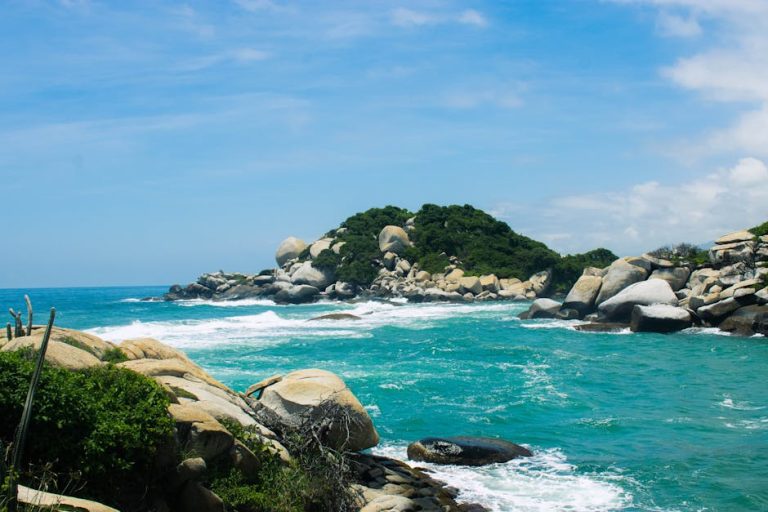
The northern section of the reef, particularly around the Cairns area and the islands that sit within it, offers the most straightforward shore access. Spots like the beach at Fitzroy Island have a defined entry point where the slope is gradual enough that you can wade out, check conditions, and descend without fighting the bottom. The water clarity here varies dramatically depending on whether rain has recently moved through the region. Dry season – roughly May through October – tends to bring clearer water, though this isn’t guaranteed.
The Whitsunday Islands present a different scenario. Islands like Hayman and Daydream have reef access, but the entry is often more technical. The bottom composition changes, and you’re more likely to encounter stronger currents depending on the tide cycle. Magnetic Island, closer to Townsville, has accessible shore dives, though the visibility can be inconsistent. The reef here sits closer to the mainland, which means river discharge affects water clarity more directly.
One thing that becomes apparent after a few dives is that “accessible” doesn’t mean “easy” or “always safe.” A shore dive site might be walkable at low tide and hazardous at high tide. The same reef that feels calm at dawn might have developed a noticeable current by midday. The visibility that was excellent yesterday can drop to eight or ten meters after a weather system passes through.
What the Water Actually Feels Like
Early morning dives have a particular quality. The light is still diffuse, and the reef feels less crowded – not because there are fewer fish, but because you’re moving through it at a different pace. The water is usually clearer in the early hours, before any wind has stirred up the bottom or before the day’s boat traffic has created disturbance. By mid-morning, particularly during peak season, the water can feel busier, though “busy” on the reef is still less congested than a popular dive site in Southeast Asia or the Caribbean.
Temperature-wise, the reef is warm year-round, but there’s a difference between June and January. Winter months – June through August – mean water temperatures around 22 to 24 degrees Celsius. You’ll want a thicker wetsuit, or at least a 3mm. Summer, particularly December through February, pushes into the high 20s, and a 2mm or even skin diving becomes feasible. The warmer months also bring higher humidity and occasional stinger season, which affects where you can safely enter the water and whether you need additional protection.
Tides, Currents, and Timing
Tides on the reef are not subtle. A four-meter tidal range is common, and that changes everything about how a shore dive feels. At low tide, you might walk out over exposed reef flat for a hundred meters before the water deepens enough to dive. The bottom is visible, the light is bright, and the reef feels exposed. At high tide, the same entry point might have three meters of water directly off the beach. The current can shift from slack to noticeable in the space of an hour.
The strongest currents tend to run during the middle of the tide change, when water is moving most rapidly. This is when a shore dive can become complicated. You might plan to descend and explore a particular section, but the current has other ideas. Experienced divers learn to read the water before entering – the slight discoloration that indicates movement, the way the surface texture changes. Beginners often don’t notice until they’re already in the water and finding it harder to maintain position than expected.
Slack water – the brief window when the tide has turned but hasn’t yet built momentum – is when shore diving feels most controlled. This window is typically 20 to 40 minutes, depending on the site and the size of the tidal range. Planning a dive around slack water isn’t always possible, but when it is, the dive is noticeably more relaxed.
Visibility and Seasonal Patterns
Reef visibility is a function of several variables working simultaneously. Dry season generally means clearer water because there’s less rainfall running off the land. But dry season also means lighter winds, which can mean less wave action, which can mean more suspended particles settling and clearer conditions. It’s not a simple equation. A calm, hot day in September might have visibility of 25 meters. A windy day in July might drop to 12.
The wet season – November through March – brings higher rainfall, stronger winds, and more cloud cover. Visibility often sits in the 10 to 15-meter range, sometimes better, sometimes worse. This isn’t necessarily a reason to avoid wet season diving. The reef is less crowded, accommodation is cheaper, and the water is warmer. You just need to accept that you’re not going to have the crystalline visibility of a dry season morning.
Stinger season – roughly November through May – adds another layer of consideration. Box jellyfish and other stinging creatures move into shallow water during warmer months. This affects which beaches are safe for entry and whether you need to wear protective clothing beyond a wetsuit. Some shore dive sites become effectively closed during peak stinger season. Others remain accessible but require additional precautions.
The Reef Itself
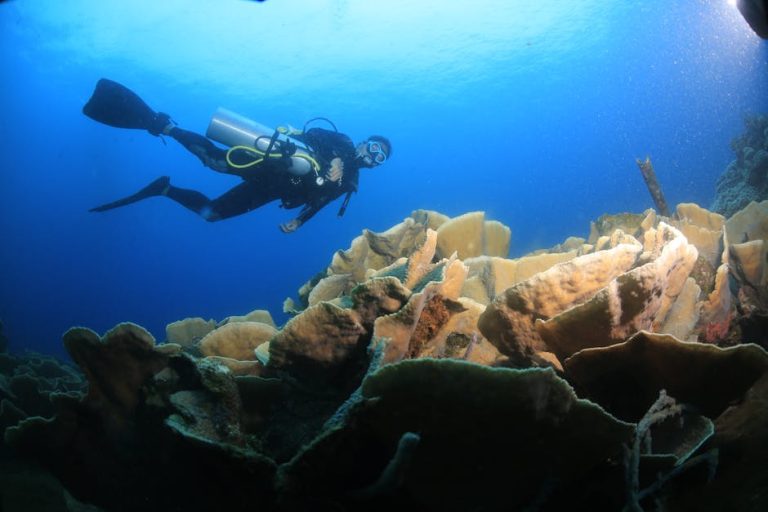
The actual marine life and reef structure varies considerably depending on where you’re diving. The outer reef, where the deeper water begins, tends to have more dramatic coral formations and larger fish. The inner reef and reef flats, where many shore dives take place, are shallower and often dominated by coral gardens interspersed with sandy areas. The biodiversity is still remarkable, but the character is different.
Macrolife – nudibranchs, shrimp, small fish hiding in coral – is often more visible on reef flats than the larger pelagic species. You’re more likely to spend time examining a small section of reef than scanning the blue for sharks or rays. This appeals to some divers and frustrates others. It depends on what you’re looking for and how much patience you have for small-scale observation.
Coral health varies by location and season. Some sections of the reef have recovered well from past bleaching events. Others show visible damage. This is not hidden information – it’s visible to anyone diving the reef. The reef is not a static postcard. It’s a dynamic system that changes visibly over years and even seasons.
Shore dives on the Great Barrier work best when you approach them with realistic expectations. You’re not going to have the dramatic blue water and visibility of a Caribbean dive. You’re going to have a warm, accessible entry into a complex and living reef system. The conditions will change based on tide, weather, and season. Some days will be exceptional. Others will be adequate. The reef itself will be worth the attention regardless of visibility or current, because it’s genuinely one of the most biodiverse marine environments accessible from the shore anywhere in the world.