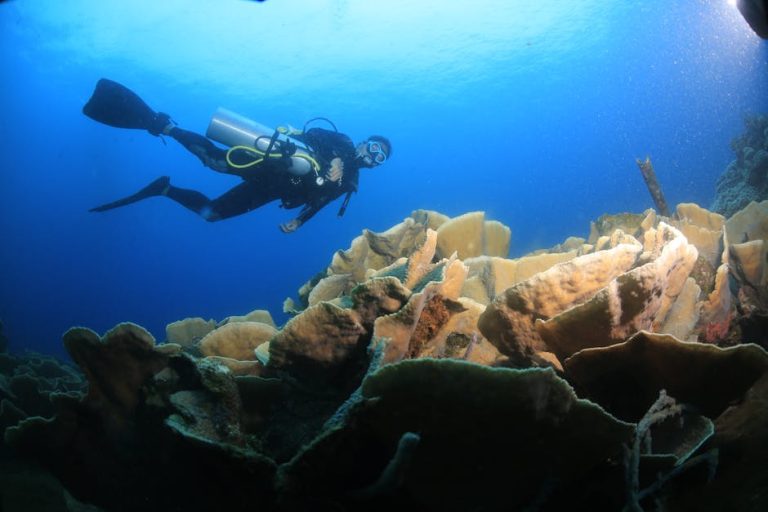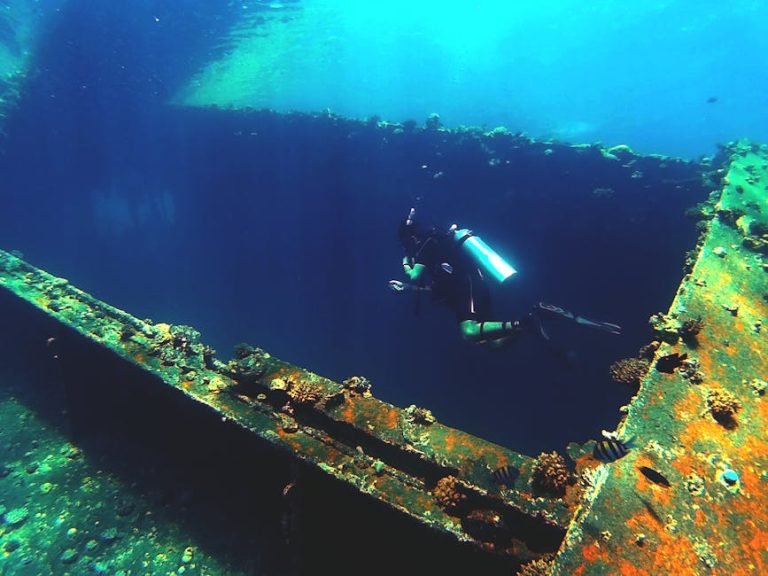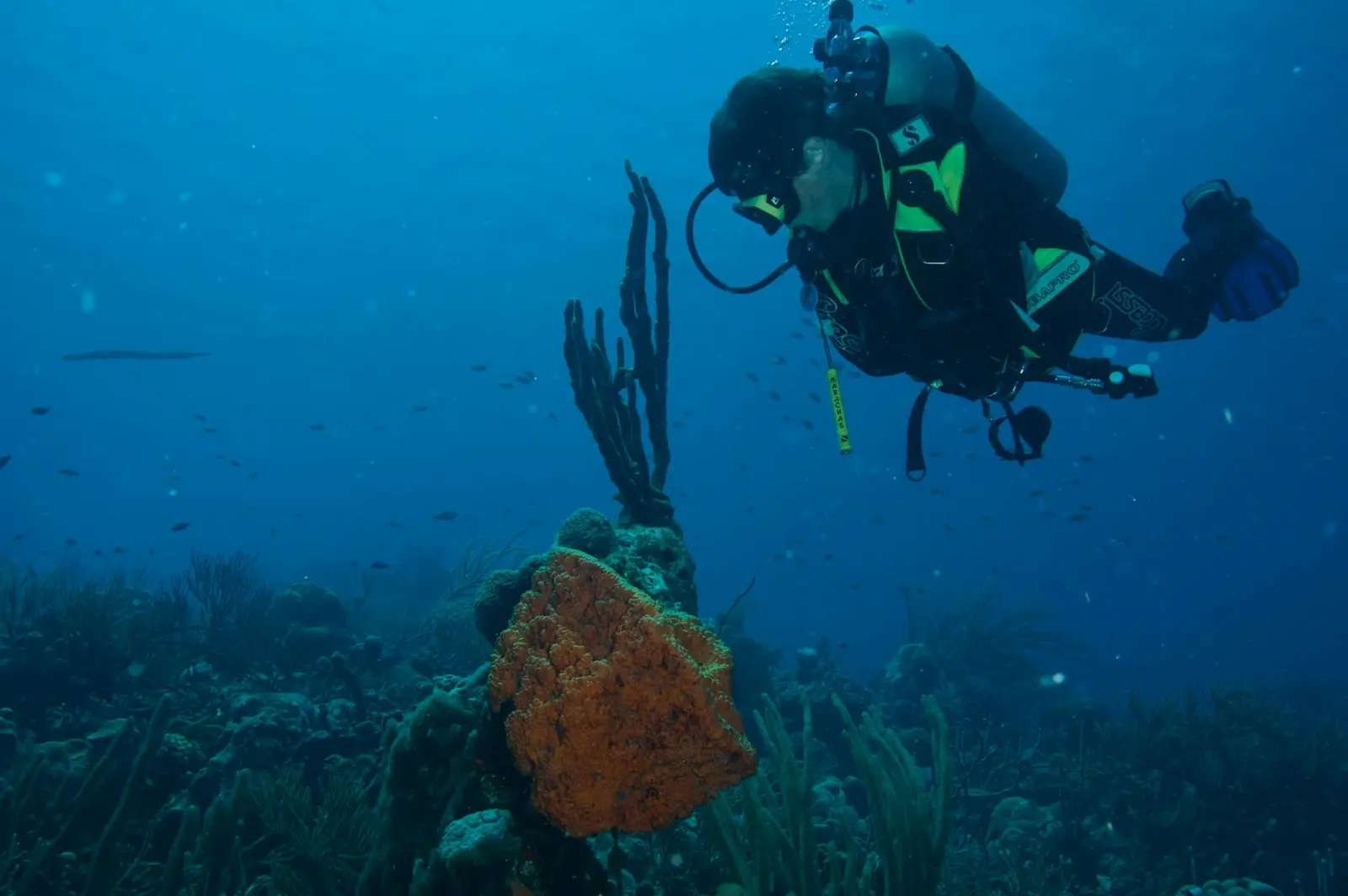
Diving alone on a reef sounds romantic until you’re underwater and realize your air consumption is slightly off, or the current picked up faster than the dive shop mentioned. The ocean doesn’t care about your solo travel narrative. It’s indifferent, powerful, and unforgiving in ways that become obvious only after you’ve spent time in it.
Most recreational divers learn early that the buddy system exists for practical reasons, not tradition. When something goes wrong underwater – equipment failure, disorientation, nitrogen narcosis at depth – a second person becomes your lifeline. Solo diving removes that safety net entirely. It’s not impossible, and plenty of experienced divers do it, but the decision to dive alone requires honest assessment of your skills, the conditions you’re entering, and what happens if something goes wrong far from shore.
The appeal is real, though. There’s a particular kind of freedom in moving through water without coordinating with someone else, without checking gauges in sync, without the constant awareness of another person’s air supply and comfort level. You move at your own pace, focus on what interests you, and don’t have to surface because someone else is anxious. But that freedom comes with responsibility that many divers underestimate.
What Actually Changes When You’re Alone
The first difference is psychological. Underwater, your mind processes risk differently than it does on land. Nitrogen narcosis – a disorienting effect from breathing compressed air at depth – becomes more dangerous without a buddy to notice if you’re acting strangely. You might miss warning signs in yourself that another diver would catch immediately. Anxiety, which is normal, can spiral into panic faster when you’re alone. There’s no one to signal, no one to share the moment of fear with, no one to help you regain control.
Equipment failures happen rarely, but they happen. A regulator free-flowing, a BCD (buoyancy control device) malfunctioning, a mask flooding – these are manageable problems with training and a calm mind. They become serious problems when you’re alone and stressed. The standard response to most underwater emergencies is to ascend slowly and reach the surface. That’s easier said than done when panic is setting in and you’re trying to manage your buoyancy and breathing simultaneously.
Navigation changes too. With a buddy, you have two sets of eyes and two people watching the dive computer and time. Alone, you’re entirely responsible for tracking depth, time, air consumption, and direction. It’s easy to lose track of how far you’ve gone or how long you’ve been down. Nitrogen narcosis affects judgment at depth, making time feel strange and distances seem shorter than they are. Many solo diving incidents involve divers going deeper or staying longer than they intended.
The Rules Actually Matter
Most dive shops and resorts won’t rent equipment to solo divers. This isn’t bureaucracy – it’s liability and experience talking. In places like Southeast Asia, the Caribbean, and the Red Sea, dive operators have seen enough accidents to be cautious. Some will rent to certified divers with significant logged dives, but they’ll ask questions. How many dives do you have? Have you done solo diving before? What’s your experience with the specific site?
Technical diving certifications like solo diving courses exist, but they’re not the same as recreational diving certification. A solo diving course teaches specific skills: managing your own air supply more conservatively, dealing with equipment problems without a buddy, navigating independently, and making decisions underwater with more caution. If you’re genuinely interested in solo diving, this certification is worth the time and money. It’s not just a credential – it’s training that changes how you approach the water.
Regulations vary by location. Some countries and marine parks have rules against solo diving altogether. Others allow it only for advanced divers with specific certifications. Thailand, for instance, has seen enough accidents that many operators simply refuse. The Philippines is more flexible, but conditions vary dramatically between islands and seasons. Before you arrive at a destination, research what’s actually permitted. A dive shop telling you “no solo dives” isn’t being difficult – they’re following local regulations and protecting themselves legally.
The Reality of Finding People to Dive With
If solo diving feels too risky or isn’t permitted, finding reliable dive partners becomes your actual challenge. This is where the travel experience gets complicated. You arrive at a dive shop as a solo traveler looking for a buddy, and you’re immediately placed with whoever else booked that day. Sometimes it works. Sometimes you’re paired with someone inexperienced, anxious, or moving at a completely different pace than you are.
The dive shop experience varies wildly. In tourist-heavy areas like Bali, Phuket, or the Great Barrier Reef, you’ll find organized group dives with multiple divers and a guide. This is safer in some ways – the guide is responsible, there are other people around, and the site is usually well-known. It’s less safe in others – you might be one of six divers on a line, following someone who’s never been to this particular reef, in conditions that aren’t ideal. The guide has liability concerns but also profit motives. They want to take you out, take your money, and move to the next group.
Smaller operations, especially on less-touristy islands, often do one-on-one or small group dives. The guides tend to know the reefs better, the pace is more flexible, and there’s more attention to individual divers. But these operations are also less regulated, sometimes less professional, and occasionally run by people who prioritize the experience over safety. You have to evaluate them carefully – ask about their certifications, their experience with your skill level, what happens if conditions change, and whether they’ll abort the dive if something feels wrong.
The most reliable way to find a good dive partner is to spend time at a place. Stay for several days, do a few dives, and notice which guides and fellow divers you trust. Talk to other travelers at your accommodation. Ask the dive shop staff which guides they’d recommend for your specific interests and skill level. This takes time, but it’s time well spent. A good dive partnership – someone who moves at your pace, communicates clearly, and stays calm – makes everything better.
What Conditions Actually Feel Like
Reef conditions change constantly, and what the dive shop tells you about the site might not match what you experience. Water clarity, current strength, and marine life presence vary with season, time of day, and recent weather. In the Red Sea, winter brings calmer seas but cooler water. Summer offers warmer water but stronger currents and occasional thermoclines that reduce visibility. The Caribbean hurricane season runs June through November – you’ll find fewer divers and cheaper prices, but conditions are unpredictable.
Morning dives are typically calmer and clearer. By afternoon, especially on popular reefs, the water has been stirred up by multiple groups of divers. Visibility drops, current picks up, and fish behavior changes. If you’re diving with a guide, ask what time they usually go out and why. If they always do afternoon dives, it might be because they’re fitting in multiple groups, not because it’s better diving.
Current is the variable that changes everything. A dive site described as “easy” becomes difficult in strong current. Your air consumption increases, fatigue sets in faster, and navigation becomes harder. A good guide will read the current before you enter the water and decide whether to dive. A mediocre guide will take you out anyway because you’re paying. If you’re diving solo, you need to be the person making that call, and you need to be honest about your ability to handle it.
Building Trust Takes Time
The people you dive with become important quickly. You’re trusting them with your safety in an environment where communication is limited and problems can escalate fast. This isn’t like hiking with someone or traveling to a museum together. This is someone whose attention and judgment directly affects whether you surface safely.
When you find a good guide or dive partner, book multiple dives with them. They’ll learn your pace, your comfort level, and your limits. You’ll learn to read their signals and trust their judgment. This relationship – built over several dives – is what transforms diving from a transactional tourist activity into something that actually feels safe and enjoyable.
Solo travel and diving don’t have to be contradictory. You can travel alone and still dive safely by being selective about where you dive, who you dive with, and what conditions you accept. The key is honesty. Be honest about your skill level, your experience, and what you’re comfortable doing. Be honest about the risks. And be willing to skip a dive if something doesn’t feel right, even if you’ve paid for it. The reef will be there next time.