Heron Island has a quality that’s difficult to articulate and impossible to photograph adequately: the coral begins at the waterline. Not 500 metres offshore, not after a boat ride to a pontoon, not at the end of a swim through sandy shallows. You walk off the beach, take three steps into the water, and you’re above reef. The island sits on its own coral platform, a coral cay built over millennia from the accumulated skeletons of the very organisms it hosts, and the diving here is as intimate and direct as reef diving gets anywhere in the world.
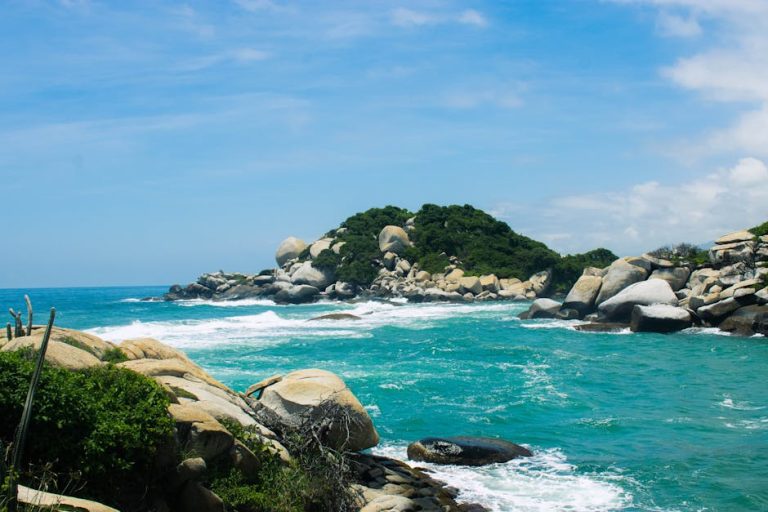
Heron Island lies at the Tropic of Capricorn, 72 kilometres offshore from Gladstone in the southern Great Barrier Reef. It is one of only a handful of true coral cays on the entire reef – islands composed entirely of coral rubble and sand, built up by wave action, held together by vegetation, dependent on the reef beneath them for their existence. The island is tiny – 800 metres long, 300 metres wide – and almost entirely occupied by pisonia forest, a research station run by the University of Queensland, and one eco-resort that has been operating here since 1932.
Shore Diving
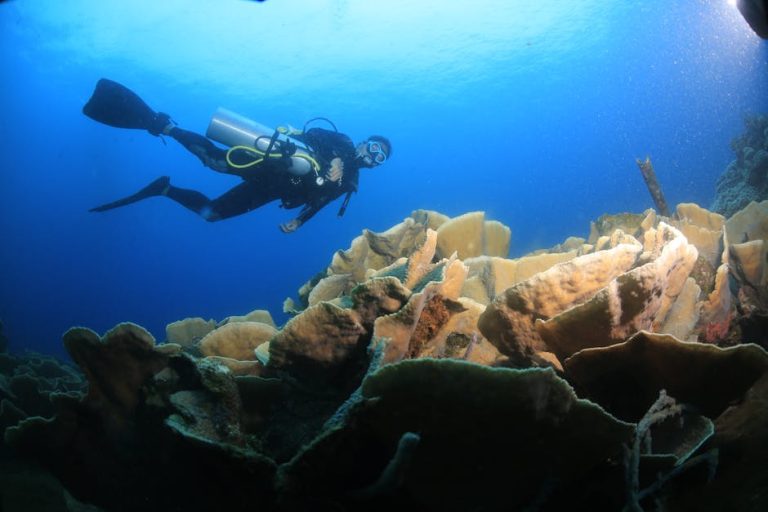
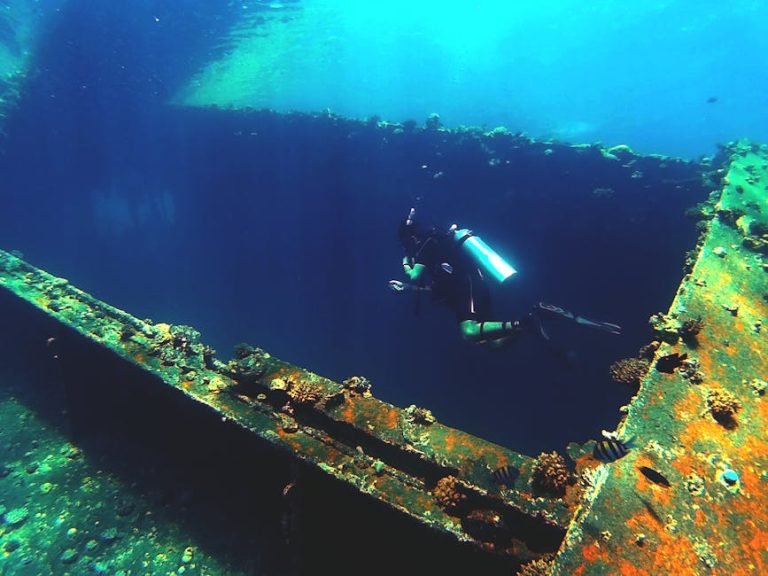
The ability to shore dive directly from the beach is Heron Island’s defining characteristic as a dive destination. There are more than 20 named dive sites accessible from the island, most of them within a short swim of the beach. The Bommie, perhaps the most famous site, is a coral pinnacle rising from 22 metres to within 2 metres of the surface, located a 10-minute swim from the resort jetty. Manta rays use it as a cleaning station. Turtles rest on the sandy bottom beneath it. The coral coverage is dense, healthy, and far less disturbed than sites that receive daily boat traffic.
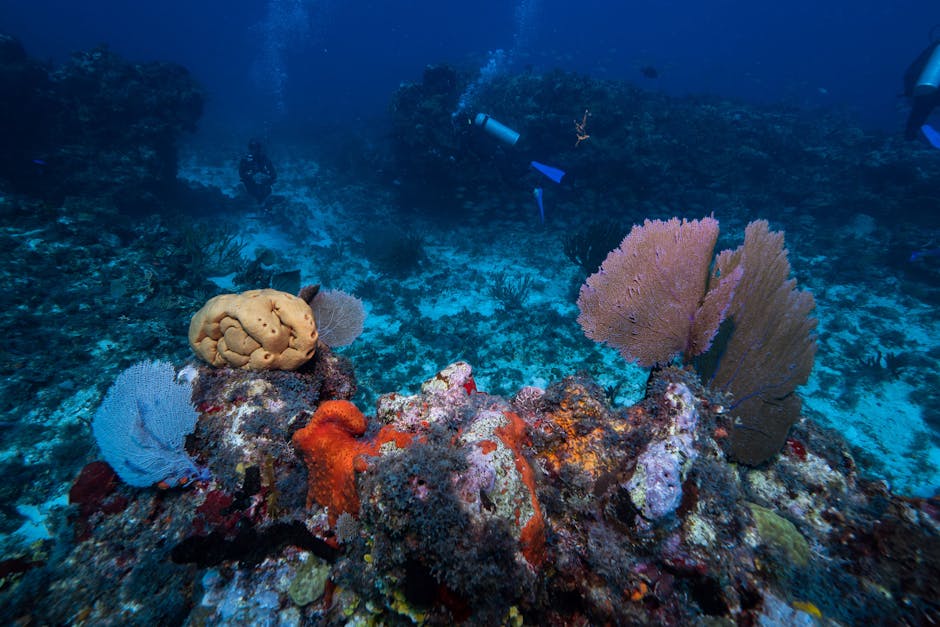
Coral Cascades, located on the windward side of the island, offers a wall dive down to 28 metres with large sea fans and black coral trees in the deeper sections. The current that runs along this face concentrates pelagic life and the fish density here is exceptional. Tenements, a series of coral ridges and gutters on the leeward side, is the site that Heron divers tend to return to repeatedly – the visibility is reliable, the coral coverage extraordinary, and the resident fish population includes the kind of large, curious Maori wrasse that have been seeing divers since the resort opened.
Turtles
Heron Island hosts one of the most significant green turtle nesting sites on the southern Great Barrier Reef. Turtles nest on the island’s beaches from November to March, with hatching occurring from January to April. During peak nesting season, the beach at night is crossed by female turtles hauling themselves up to lay eggs, sometimes dozens in a single night. Rangers conduct nightly turtle interpretation walks during the season.
In the water, turtles are present year-round – resting on the reef, grazing on seagrass in the shallows, or hovering at cleaning stations where small wrasse work their shells and skin. A dive at Heron without a turtle encounter is unusual. A dive with three or four simultaneous turtle sightings is entirely normal.
Manta Rays
Reef manta rays visit Heron Island’s cleaning stations regularly, particularly at The Bommie and at a site on the island’s southern side. The cleaning stations – specific coral structures where small wrasse and cleaner shrimp remove parasites from larger fish – function as predictable encounter points. Mantas that use these stations become individually recognisable to researchers and regular divers, identifiable by the unique spot patterns on their undersides.
Encounters with mantas at cleaning stations are different from pelagic manta sightings in open water. The animals are stationary, or nearly so, hovering while being cleaned. This stillness allows close observation at distances that open-water encounters rarely permit.
Getting to Heron Island
Heron Island is reached by helicopter from Gladstone – a 30-minute flight – or by launch, a 2-hour crossing that can be rough in poor conditions. The helicopter is significantly more comfortable and the aerial view of the coral platform on approach is a genuine experience in itself.
Accommodation is exclusively through the Heron Island Resort, which also manages dive operations. Packages typically include accommodation, meals, and a set number of dives. The resort has been operating long enough that the staff know the reef in considerable detail – dive guides who have been working here for years are a resource worth using.
The best diving season at Heron is September to December when visibility peaks and turtle activity is building toward nesting season. The winter months of June to August offer cooler water but excellent visibility and the chance to see humpback whales in the waters around the island.