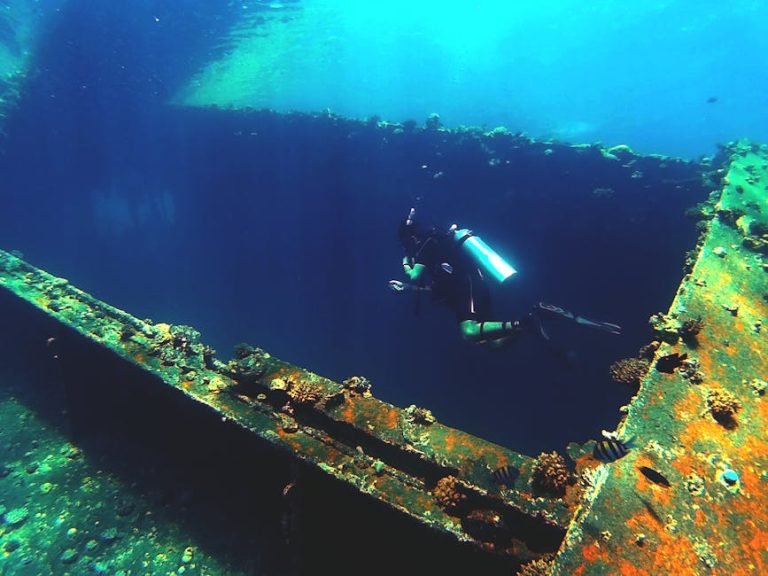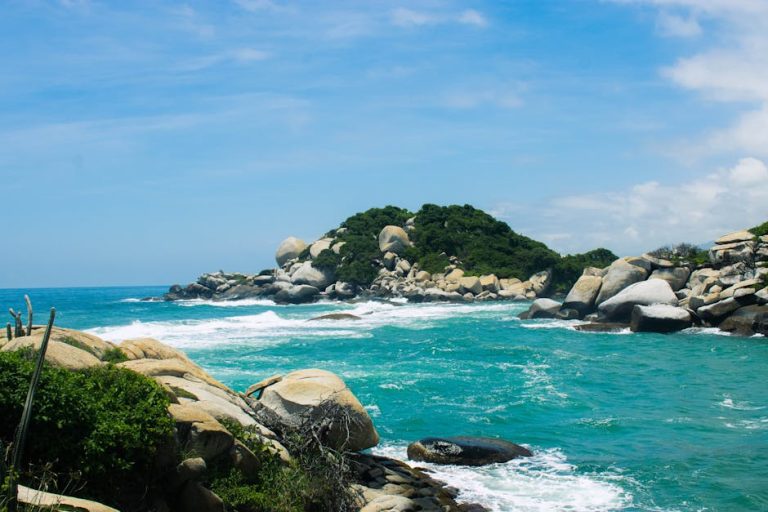
The boat from Rosslyn Bay to Great Keppel Island takes 30 minutes and deposits you on a beach that looks more like the Caribbean than most people’s mental image of Queensland. White sand, turquoise water, fringing reef visible from the shoreline, and – crucially – almost nobody else there. Great Keppel is one of the Capricorn Coast’s best-kept secrets, partly because it sits south of the destinations that dominate reef tourism marketing, and partly because the dive operators who work here seem to prefer it that way.
Great Keppel Island lies 15 kilometres off Yeppoon in central Queensland, roughly 700 kilometres north of Brisbane. It’s a continental island – granite bedrock covered in eucalypt forest – ringed by fringing reef that, in the absence of the visitor numbers that characterise the northern reef, has recovered well from previous disturbance events and now offers genuinely good diving in conditions most Queensland visitors never encounter.
The Reef
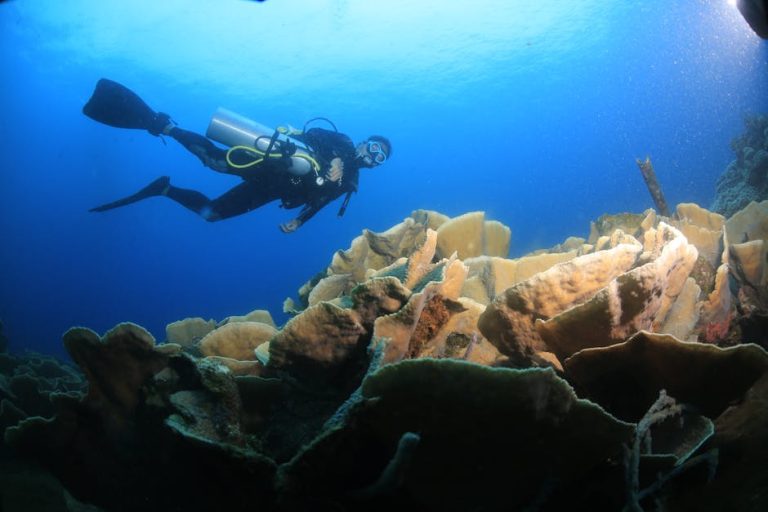
Great Keppel’s fringing reef wraps around much of the island’s coastline, with the best diving concentrated on the eastern and northern sides where the reef drops to 15 to 20 metres before meeting the sandy substrate. The reef structure here is predominantly bommie systems – isolated coral heads and ridges rising from the bottom, with sandy channels and gutters between them. This creates a different diving landscape from the continuous wall structures of the outer northern reef.
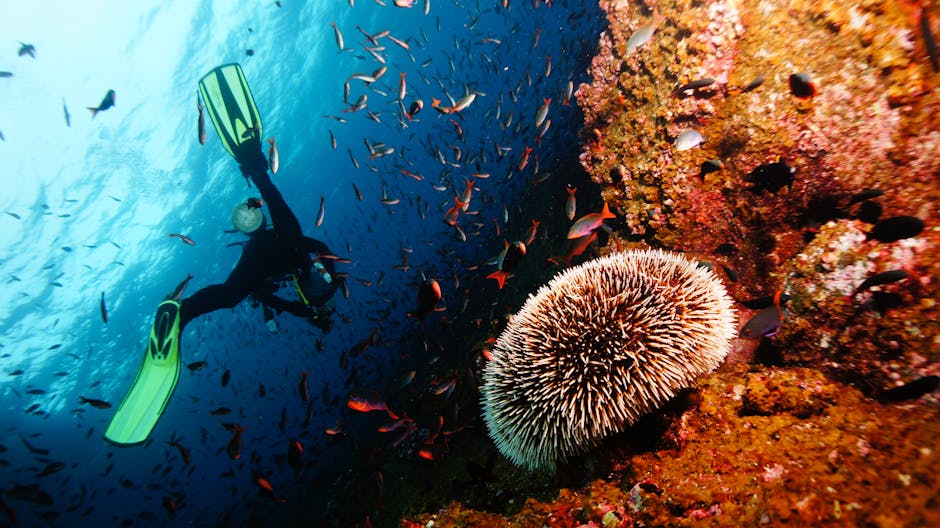
Coral coverage on the Great Keppel fringing reef has benefited from the island’s relatively low visitor numbers. Hard coral gardens dominate the upper sections, with soft corals and sea fans in the deeper gutters. The fish population reflects the undisturbed nature of the site – larger individuals, less habituation to human presence, more natural behaviour. Coral trout, parrotfish, and large sweetlips move through the bommies with the confidence of animals that have never been pressured.
Leopard Sharks
Great Keppel’s most distinctive wildlife feature is its resident leopard shark population. Leopard sharks – Stegostoma tigrinum, also called zebra sharks in their juvenile form – are among the most visually distinctive sharks on the reef, their spotted adult pattern and long, trailing tail making them immediately recognisable. They spend most of the day resting on the sandy substrate between bommies, perfectly stationary, seemingly unperturbed by divers who approach slowly and from below.
The combination of sandy channels between the bommies and the island’s sheltered eastern side creates ideal leopard shark habitat, and encounters on most dives are reliable rather than occasional. For divers who want a shark encounter without the current and depth of sites like Osprey or the Ribbon Reefs, Great Keppel’s leopard sharks offer something equally impressive at depths between 8 and 15 metres.
PADI Courses
Great Keppel Island is one of the southern GBR’s better options for learn-to-dive courses, precisely because its conditions are consistently gentle and the dive sites are accessible to genuinely beginner-level divers. PADI Discover Scuba Diving experiences run regularly from the island, using the shallow bommie sites on the island’s sheltered western side.
The low diver density means that a PADI course at Great Keppel involves learning in conditions that more heavily visited sites can’t offer – calm water, no crowds, patient guides who can give genuine individual attention. For Queensland visitors who want to try diving for the first time in a relaxed environment rather than a large pontoon operation, Great Keppel is a serious option.
Getting There
Fast ferries to Great Keppel Island depart from Rosslyn Bay Harbour, 7 kilometres south of Yeppoon. Yeppoon is accessible from Rockhampton, which has a regional airport with flights from Brisbane. The ferry crossing takes 30 minutes. Day trips and overnight accommodation are available on the island, with the Keppel Bay Marina and several island accommodation operators running regular services.
Dive charters depart daily in good weather, with most operators offering half-day and full-day options. The island’s sheltered western side means that diving is possible in most conditions – when the eastern sites are affected by swell or wind, operators can generally find shelter somewhere around the island’s extensive coastline.
For divers working their way down the Queensland coast or looking for a reef experience away from the Cairns-Whitsundays axis, Great Keppel Island offers something that’s become increasingly rare in Australian reef tourism: a genuinely quiet, genuinely good dive in a place where you’re unlikely to share the water with more than a handful of other people.