In June, on the northern ribbon reefs, something unusual happens. Dwarf minke whales — small, curious, improbably friendly baleen whales — appear around liveaboard vessels and stay. Not for minutes. For hours.
They come to the boats. They approach divers in the water. They hover, roll, observe — making eye contact in a way that requires you to reconsider what you thought you knew about wild animal behaviour. These are wild whales choosing to interact with humans, and the interaction, when you’re in the water watching a four-metre whale approach to within touching distance and look at you, is one of the most affecting wildlife encounters available anywhere on Earth.
The dwarf minke whale aggregation on the northern GBR is found nowhere else in the world in this form. Scientists don’t fully understand why it happens. The whales are not being fed. They’re not trapped or habituated in any conventional sense. They seem, for reasons that remain genuinely mysterious, to be interested in us.
The Biology
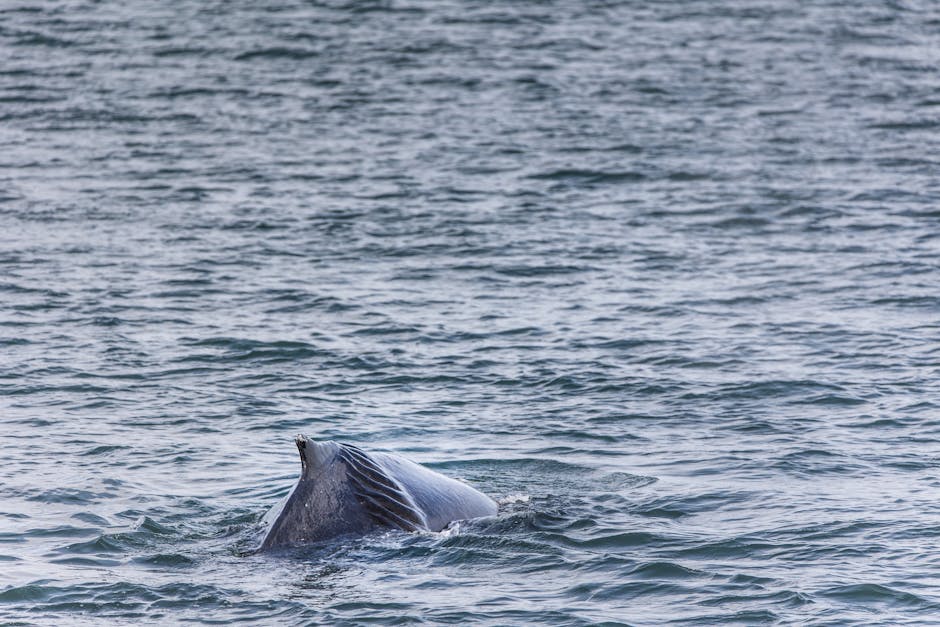
Dwarf minke whales (Balaenoptera acutorostrata subspecies) are the smallest of the baleen whales — adults reach four to five metres, making them roughly the size of a large great white shark, though the resemblance ends there. They are fast, acrobatic, and vocal, producing a complex series of calls that have been recorded at close range during the GBR encounters.
The northern GBR aggregation is a winter phenomenon. The whales begin appearing around the Cod Hole area and the northern ribbon reefs in late May and peak in June and July, typically disappearing by August. Where they go and why they come here is not fully resolved — research continues, partly driven by the unusual accessibility of these animals to scientific observation during the aggregation period.
The Interaction Protocol
Australia has strict regulations governing interactions with all cetaceans, and the dwarf minke whale interactions on the GBR operate under a specific Reef Authority permit system. The interaction protocol has been developed by researchers at James Cook University in partnership with operators over many years, and it is designed to keep the whales in control of the encounter.
The rules: no swimming toward the whales. Divers enter the water and hold a rope trailed behind the vessel, remaining stationary. The whales approach on their own terms. No touching. No chasing. If a whale moves away, you don’t follow.
This protocol exists because the whales can leave at any time. The fact that they stay — and return, sometimes spending multiple hours around a single vessel over multiple days — is a consequence of the interaction remaining on their terms. The moment humans start chasing or crowding, the dynamic changes.
Which Operators Run Minke Trips
The June–July window is specific enough that liveaboards running the northern ribbon reefs during this period market explicitly around the minke encounter. The main operators are Quicksilver Connections, Spirit of Freedom, and Mike Ball Dive Expeditions, all running dedicated minke season itineraries from Cairns and Port Douglas.
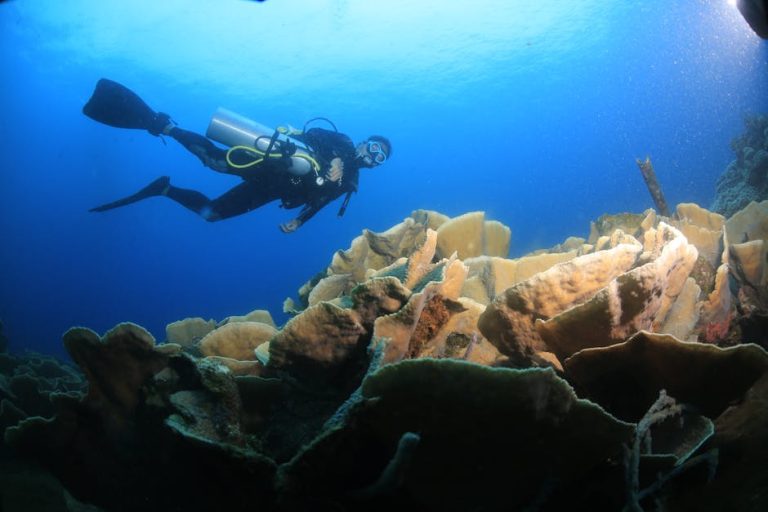
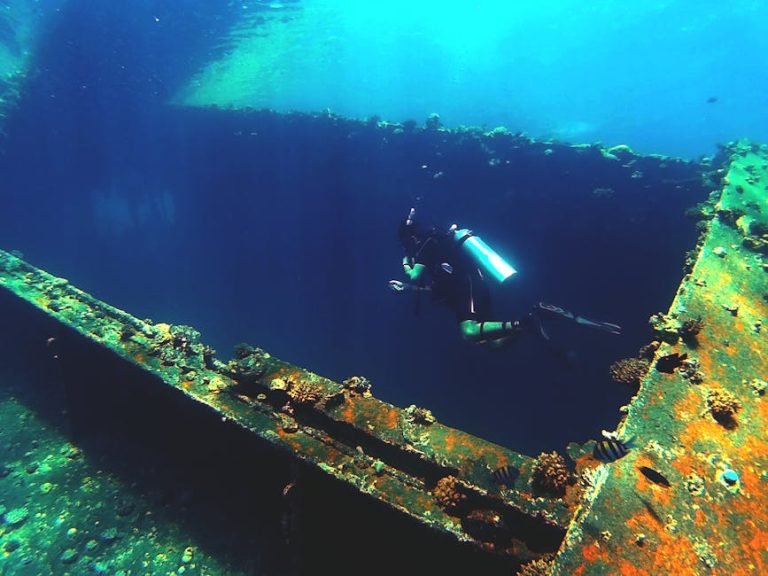
These trips typically combine the ribbon reef diving — Cod Hole and the northern ribbon reefs are among the best dive sites in Australia regardless of the whales — with the passive minke interaction protocol during the aggregation period.
Certification: Advanced Open Water is standard for ribbon reef liveaboards. The minke interactions themselves happen at the surface and in shallow water, so the diving component of the experience is accessible to relatively new divers.
What to Expect
An honest account: not every trip produces dwarf minke encounters. The whales are wild animals and their appearance depends on factors you can’t control. A good liveaboard operator will be honest about this and will have planned the trip to be excellent diving regardless.
When the encounters do happen — and in peak season, June to early July, on reputable operators, they happen far more often than not — they are unlike anything else in the GBR experience. The whale that spends forty minutes circling you while you hang from the rope, that surfaces to breathe and returns, that makes direct eye contact at close range, is doing something voluntary and considered. You feel, in those moments, less like a tourist and more like a participant in something that the animal has chosen.
That feeling, which the science doesn’t fully explain and which you don’t fully forget, is what draws divers back to the northern ribbon reefs in June, year after year.