The first time I put a snorkel mask on, I was seven years old, standing in a swimming pool in Brisbane, and I kept lifting my head out of the water every twenty seconds because I didn’t quite believe the tube would keep working.
It took about ten minutes before I stopped checking. And then I floated there, face down, watching the light patterns on the pool floor, and understood that I had found something.
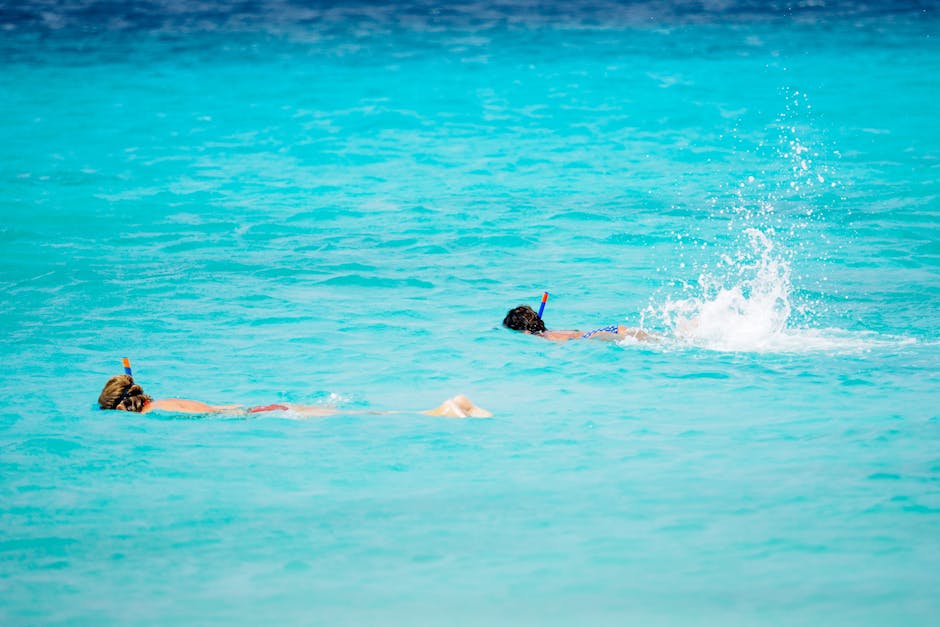
Snorkelling is the most accessible form of marine exploration there is. You need three pieces of equipment, a body of water, and the ability to float. Everything else is refinement. But that refinement — the technique, the gear choices, the sites, the approach — makes an enormous difference between a frustrating experience and an extraordinary one.
The Three Pieces of Equipment
The mask. Everything starts here. A mask that doesn’t fit your face will flood constantly, fog regardless of treatment, and make the whole experience miserable. The fit test is simple: place the mask on your face without the strap, inhale gently through your nose, let go. If the mask stays on your face under the gentle suction, it fits. If it falls, it doesn’t, no matter how much you want it to.
Lens quality matters. The glass in cheap masks distorts peripheral vision in a way that isn’t obvious until you compare it to a better mask underwater. Tempered glass is the minimum standard; low-iron tempered glass produces noticeably less colour distortion. You don’t need to spend a fortune — decent masks start at around $40 — but you should try them on before you buy.
Check real traveller reviews, prices, availability, departure points, and flexible booking options in one place.
Anti-fog treatment is essential. A new mask has a film of silicone oil on the lenses from the manufacturing process, and this film causes fogging. The standard treatment is toothpaste: apply a small amount to the inside of each lens, rub vigorously with a finger, rinse. Repeat a few times before the first use. After that, a small amount of baby shampoo diluted in water — applied to the inside of the lens, spread around, then given a single quick rinse that leaves a thin film rather than removing it entirely — prevents fogging on every subsequent use.
The snorkel. The classic J-shaped tube is fine for calm, surface snorkelling. A dry snorkel — which has a floating valve at the top that closes when submerged, preventing water entry when a wave washes over — is useful in choppier conditions. Semi-dry snorkels have a splash guard rather than a closing valve and are a middle option.
The purge valve at the bottom of most snorkels — a one-way valve that lets you blow water out without fully clearing the tube — is genuinely useful and worth having. Clearing a flooded snorkel by exhaling sharply sends the water out through the purge valve. Without it, you need to tip your head back while blowing, which is less efficient.
Fins. The difference between snorkelling with and without fins is the difference between being a competent swimmer and being a fish. Fins multiply your propulsive efficiency, allow you to maintain position in mild current, and free your hands entirely from swimming duties, which matters enormously for photography, pointing things out to companions, and the general posture of someone exploring rather than someone trying to stay afloat.
Full-foot fins — worn on bare feet — are appropriate for tropical water. Open-heel fins with adjustable straps are used with booties and suit cold water snorkelling. For reef snorkelling in warm water, a lightweight full-foot fin in the correct shoe size is the standard choice.
The Basic Technique
Breathing. Slow and controlled. The common mistake of new snorkellers is breathing too rapidly, which produces a carbon dioxide buildup in the snorkel tube, which produces a mild feeling of breathlessness, which triggers faster breathing, which makes the whole thing worse. Breathe at roughly 60% of your normal breathing rate — long, slow inhales, full exhales. You will not run out of air.
Body position. Horizontal, face down, arms at your sides or extended forward. The instinct for non-swimmers is to angle the body slightly upright — head high, feet low — but this creates drag, requires continuous kicking to maintain position, and exhausts you. Flat and horizontal is efficient. Your feet and fins should be just below the surface, finning with a slow kick from the hip rather than from the knee.
Fin kick. From the hip, not the knee. Bent-knee kicking produces the characteristic “bicycle” motion that churns the water behind you, is inefficient, and — critically on a reef — sends the fins sweeping unpredictably toward the coral below you. Straight-leg kicks, moving from the hip with a gentle up-and-down motion, keep the fins low-profile and well-controlled.
Clearing the mask and snorkel. The mask: tilt your head back slightly, press the top of the mask frame against your forehead, and exhale through your nose. The air exits at the bottom of the mask, taking the water with it. The snorkel: a short sharp exhale sends water out through the purge valve or the top of the tube.
Reading the Water Before You Get In
This is the piece of snorkelling advice that I think makes the biggest difference and gets discussed the least. Before you enter the water at any unfamiliar site, spend five minutes watching it.
Watch for current: is the surface moving consistently in one direction? Are floating particles drifting? If so, note the direction and plan your entry so that you start your snorkel heading into the current and return with it behind you. Starting against the current and finishing with it means you snorkel hard when you’re fresh and return easily when you’re tired. Starting with the current means the opposite.
Watch for surge: is the water moving back and forth near the reef? Surge is the oscillating motion caused by swell interacting with shallow reef structure, and it’s disorienting and physically demanding to snorkel in. If the surge is significant, snorkel further from the reef structure, where the movement attenuates.
Watch for other people in the water: where are they looking, where are they pointing? Experienced local snorkellers who know the site know where the animals are.
What to Do When You See Something
The universal mistake is to approach too quickly, from directly above, and in doing so cause the animal to leave before you’ve properly seen it.
Instead: stop your forward movement. Let your breathing slow completely. If the animal is on the reef surface, hover at the surface above it rather than diving down immediately — many animals will continue their natural behaviour while something is floating quietly above them and flee when that something descends toward them.
If you do dive down, approach at an angle rather than directly from above, move slowly, and don’t exhale bubbles toward the animal. Bubbles are alarming. Silence and slow movement are not.
Then wait. A turtle that has paused its grazing will usually resume it. A fish that has retreated slightly will usually return. The reef rewards patience in a way that active pursuit never does.
This is the essential truth of snorkelling: you are a visitor, and visitors who move quietly and wait tend to see more than visitors who chase.
Compare top-rated tours, prices, availability, and real traveller reviews before booking. See what’s actually available for your dates and departure location.
Compare tours and check availability