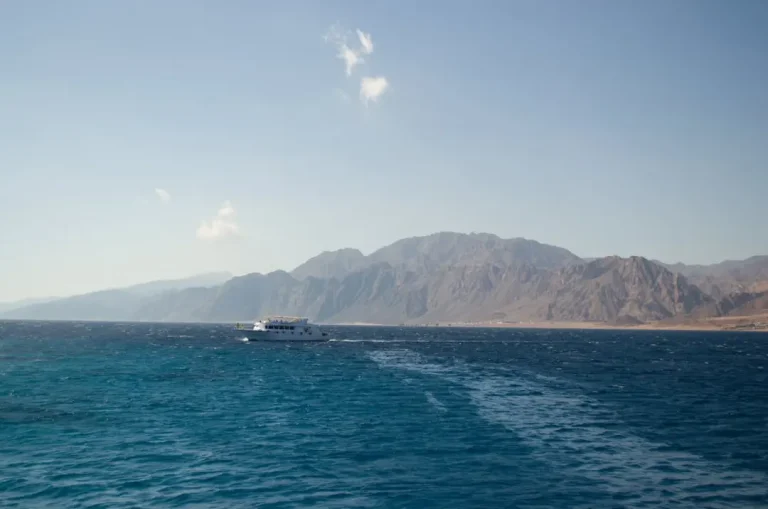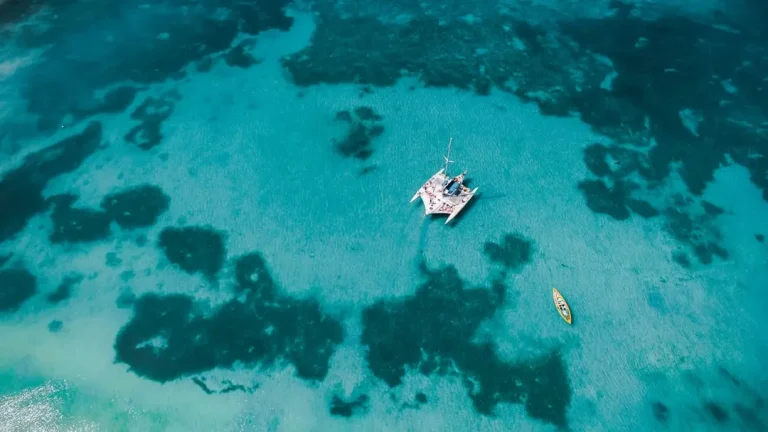
The choice between snorkelling and diving often comes down to a single moment: you’re standing on a boat or beach, mask in hand, and someone asks which one you’re actually going to do. Most travellers assume it’s about the depth or the equipment, but after spending time in places like the Red Sea, the Philippines, and various Caribbean islands, the real difference is far more about how you experience your day and what you’re willing to invest in the experience.
Snorkelling is immediate. You wade in, adjust your mask, and within minutes you’re watching fish move beneath you. There’s no certification required, no lengthy safety briefing, no equipment rental process that takes longer than the actual activity. You can decide on a whim. I’ve snorkelled in places where I simply walked off a beach in Zanzibar and saw more marine life in thirty minutes than I expected to see in a day. The water was clear, the reef was close to shore, and I was back in time for lunch.
Diving, by contrast, is a commitment. It requires training, a certification card, and a structured experience. You’re underwater longer, going deeper, and seeing a different world entirely. But you’re also spending half your morning on logistics before you ever enter the water.
The Physical Reality of Each Activity
Snorkelling demands less from your body, but not nothing. You’re floating on the surface, breathing through a tube, and using your fins to move around. Your neck gets tired from looking down. Your shoulders burn if you’re not used to the fin motion. If the current is strong or the water is choppy, snorkelling becomes exhausting quickly. I’ve watched people get frustrated in places like the Maldives when the tide was wrong or the swell was up – snorkelling in rough conditions is genuinely uncomfortable, and there’s no way to escape it except to get out of the water.
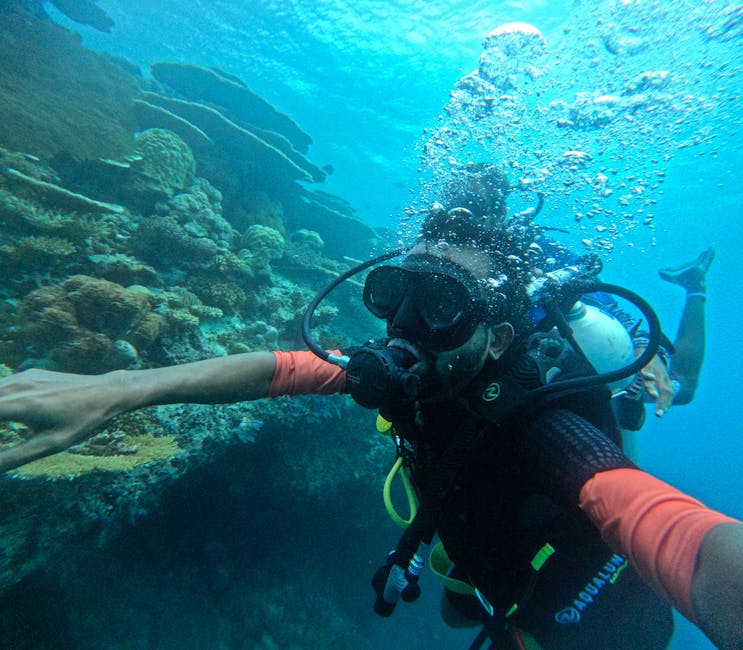
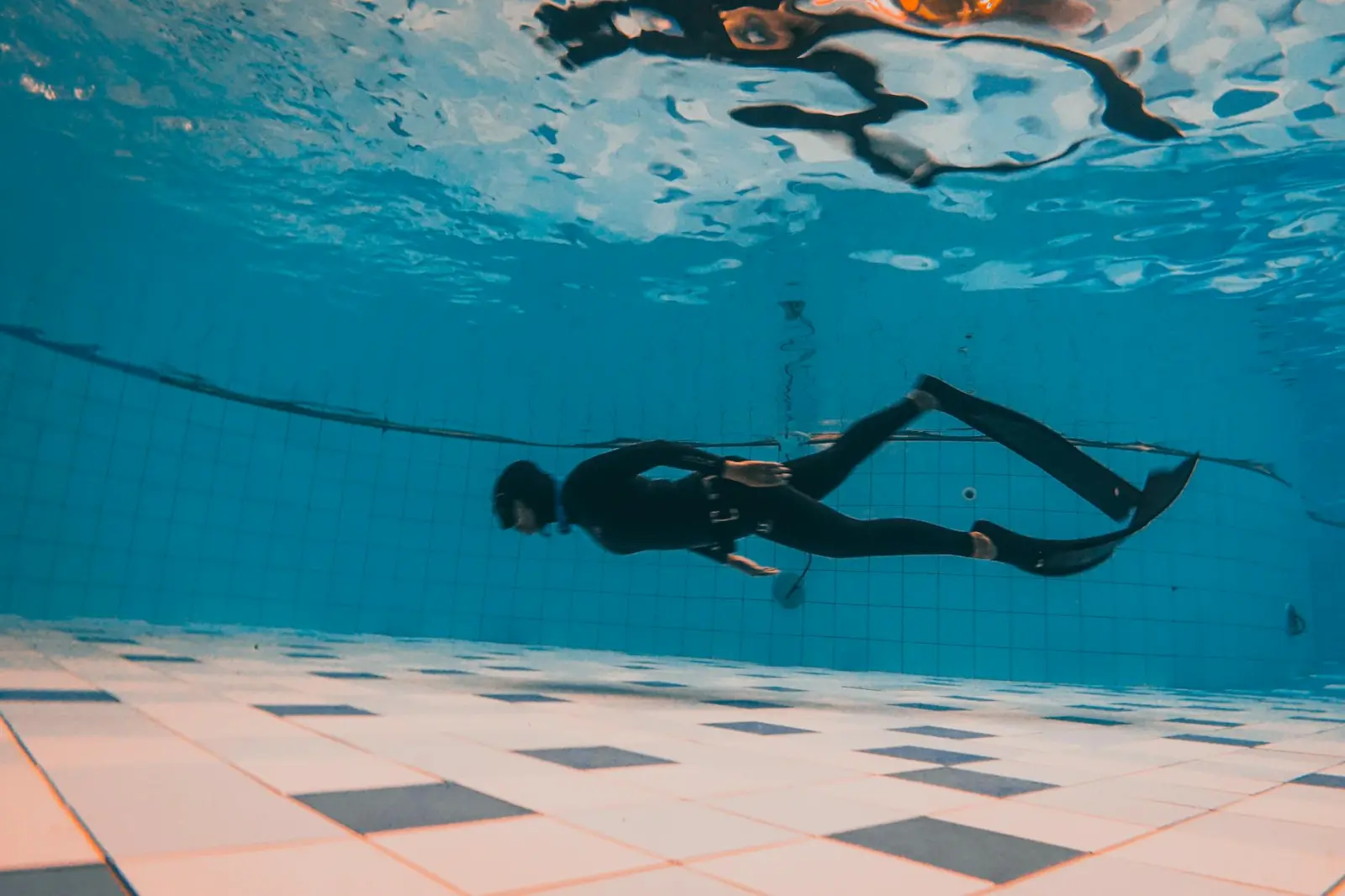
Diving is physically demanding in a different way. You’re carrying weight, managing buoyancy, and controlling your breathing underwater. The first dive of the day, especially if you haven’t dived in months, leaves you tired. Your legs ache from the fins. Your arms feel heavy from the equipment. But once you’re underwater, the physical effort changes. You’re moving slowly, conserving energy, and the weightlessness takes pressure off your joints. People with back problems sometimes find diving more comfortable than snorkelling because the water supports your body weight.
Fitness matters for both, but in different ways. Snorkelling suits people who want minimal training and can handle surface swimming. Diving requires reasonable cardiovascular fitness and comfort with confined spaces. If you have any anxiety about breathing or being underwater, snorkelling is the safer starting point.
What You Actually See Underwater
The depth difference is real, but it’s not always the deciding factor. In places like the Great Barrier Reef or the reefs around Palau, snorkelling puts you right where the action is. The shallow coral gardens are where most of the colorful fish live. You’ll see parrotfish, angelfish, clownfish, and sea turtles from the surface. The light is better in shallow water. The colors are more vibrant. If you’re there for the visual experience, snorkelling often delivers exactly what you came for.
Diving takes you to different reef structures. You see larger fish, different species, and ecosystems that exist only at depth. In the Red Sea, I’ve seen hammerhead sharks and groupers on deep dives that I never would have encountered snorkelling. The experience feels more exploratory, less like watching an aquarium. But you’re also spending more time on the boat and less time actually underwater. A typical dive might be 40 minutes on the bottom, whereas snorkelling lets you spend two or three hours in the water if you want to.
The Time and Money Question
Snorkelling is cheap and fast. A beach snorkel costs nothing if you’re already there. A guided snorkel tour runs 30 to 50 dollars and takes a couple of hours. You can do it on a lazy morning and still have the afternoon free. You can snorkel multiple days in a row without fatigue.
Diving is expensive. Certification courses run 300 to 500 dollars. A single guided dive costs 60 to 150 dollars depending on location and whether it’s a boat dive or shore dive. A full day of diving – two dives with a guide – takes six to eight hours and costs 200 to 400 dollars. You need rest days between dives. If you only have a week at the beach, diving eats into your schedule and your budget quickly.
I’ve met travellers who came to places like Thailand specifically to dive and found themselves spending more on diving than on accommodation. If you’re on a tight budget or a short trip, snorkelling is the practical choice.
Comfort and Accessibility
Snorkelling is accessible to almost everyone. Children as young as four or five can snorkel with supervision. Older travellers can snorkel without age limits. Pregnant women can snorkel. People with mild asthma or other conditions can often snorkel, though they should check with a doctor first. You’re never far from the surface. If something feels wrong, you simply stand up or swim back to shore.
Diving has restrictions. You need to be at least 10 years old for most courses, though some organizations offer younger dives with limitations. Pregnancy is a contraindication – you shouldn’t dive while pregnant. Certain medical conditions disqualify you. The deeper you go, the more risk involved, even with proper training. It’s a safe activity when done correctly, but it’s not risk-free.
Claustrophobia and anxiety about breathing underwater affect divers more than snorkellers. You can’t just pop your head above water and catch your breath while diving – you have to manage your breathing underwater. Some people discover mid-course that they’re not comfortable with this, and they’ve already paid for certification.
Seasonality and Water Conditions
Where you travel matters enormously. In the Caribbean during hurricane season, the water gets murky and rough. Snorkelling becomes unpleasant. Diving might be cancelled entirely. In the Red Sea during winter, the water is cooler but clearer. Both activities work, but the experience differs. In tropical places during monsoon season, visibility drops. You might snorkel and see only ten meters ahead instead of thirty.
I’ve snorkelled in places where the conditions were so poor that I could barely see the reef beneath me. I’ve also snorkelled in places where the visibility was so good that I felt like I was floating in an aquarium. The same reef, different seasons, completely different experiences. Diving in poor visibility is actually harder because you’re managing more variables underwater.
If you’re flexible with your travel dates, researching the best season for underwater visibility is worth your time. The difference between visiting during peak season and off-season can mean the difference between seeing a vibrant reef and seeing mostly murk.
The Social Element
Snorkelling is often solitary or done with people you already know. You can snorkel alone or with a friend. You set your own pace. There’s no group dynamic beyond basic safety.
Diving is inherently social. You’re paired with a dive buddy. You’re part of a dive group with a guide. You’re communicating underwater with hand signals. Some people love this. Others find it constraining. If you’re an introvert or prefer solo travel, snorkelling aligns better with that style. If you enjoy meeting other travellers and being part of a structured group, diving offers that naturally.
The diving community is real. People who dive regularly develop friendships through dive shops and dive trips. If you’re interested in that social aspect, diving creates those connections more easily than snorkelling.
After years of choosing between these two activities in different parts of the world, the honest answer is that neither is objectively better. Snorkelling suits people who want immediate access to underwater life, limited time, lower costs, and minimal training. It’s what you do when you want to see something beautiful without much fuss. Diving suits people who want deeper exploration, are willing to invest time and money, enjoy structured group experiences, and want to develop a skill. It’s what you do when you want to make underwater exploration a real part of your travel identity. Most experienced ocean travellers end up doing both, at different times, in different places, depending on what the moment calls for.