Cold Water, Warm Reef: Diving the Southern Great Barrier Reef
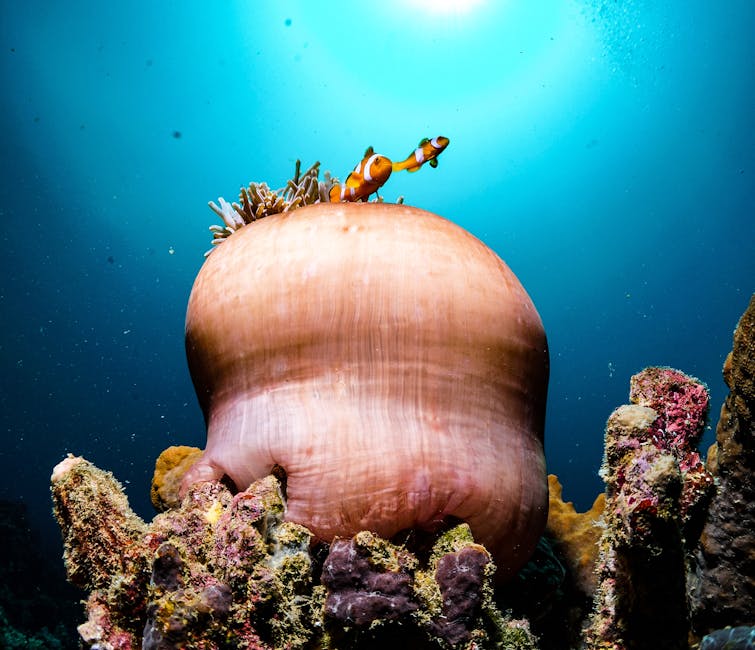
The southern Great Barrier Reef — Lady Elliot's mantas, Heron Island's turtles, the wild Swain Reefs — is the part of the reef the brochures forget to mention.


The southern Great Barrier Reef — Lady Elliot's mantas, Heron Island's turtles, the wild Swain Reefs — is the part of the reef the brochures forget to mention.
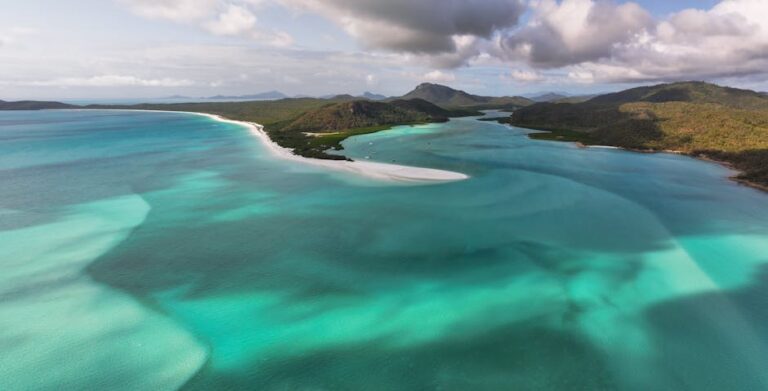
The Whitsundays are famous for sailing. The diving — from Bait Reef's sharks to Hook Island's muck — deserves equal billing.
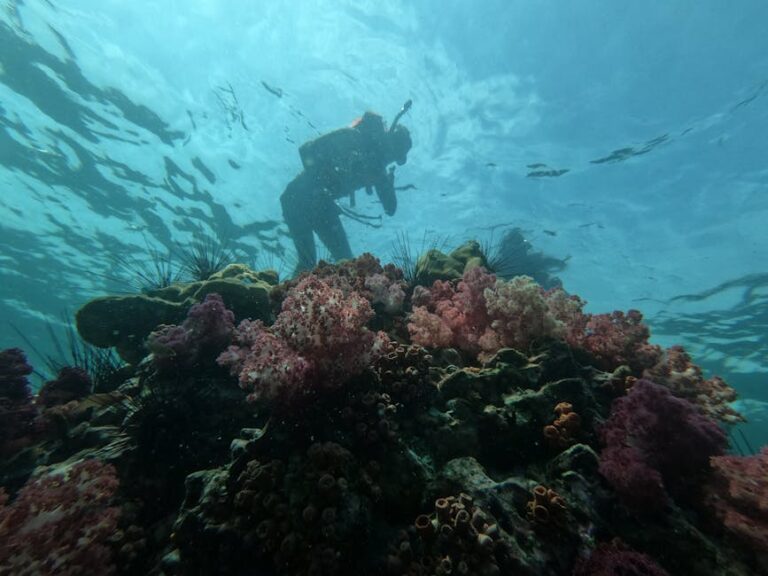
The GBR's sandy muck zones look unremarkable — until you find the frogfish, ghostpipefish, and camouflage artists hiding in plain sight.
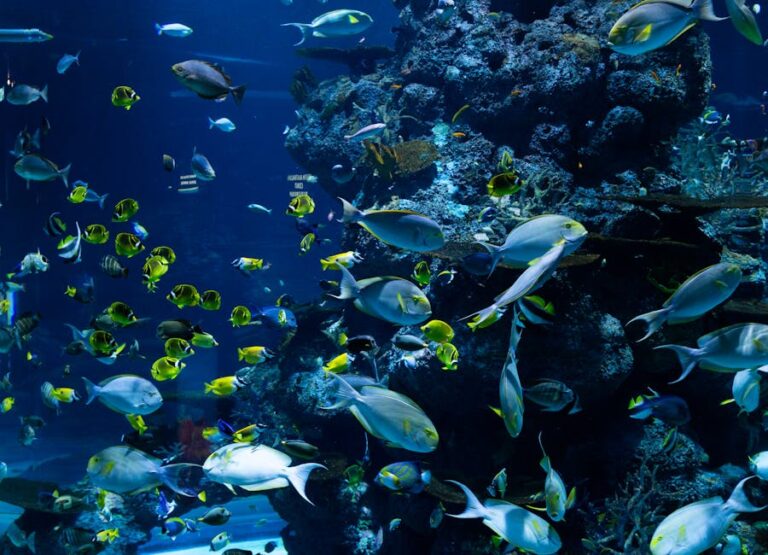
Getting lost underwater is easy. Finding your way back is a skill — here's how to navigate the Great Barrier Reef using natural cues, compass, and common sense.
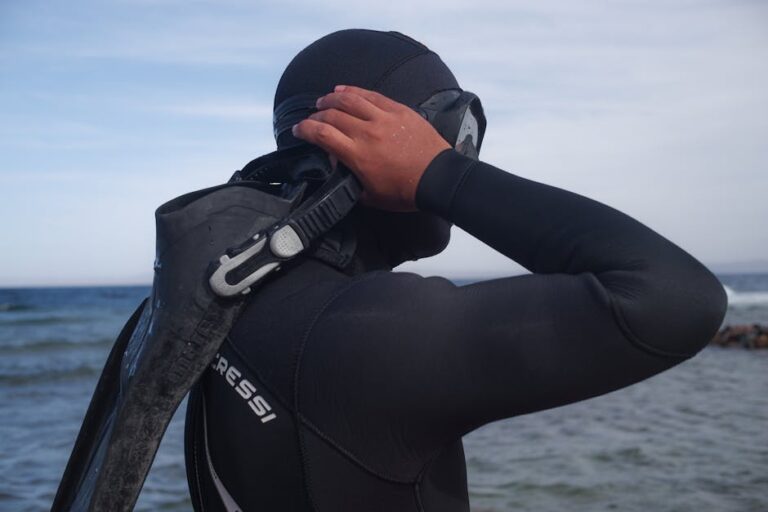
Not every great GBR dive requires a boat. From Geoffrey Bay's nurse sharks to Bundaberg's marine park, here are Queensland's best shore dives.
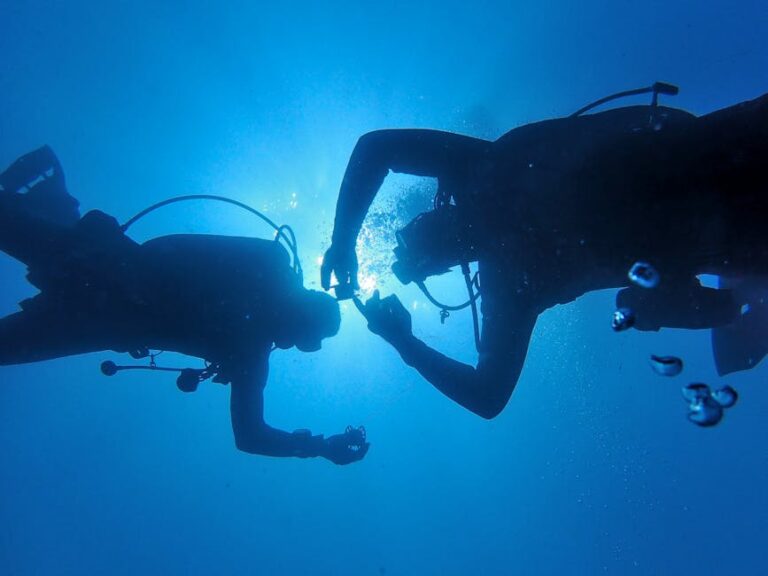
The dive industry says never dive alone. The reality is more nuanced — here's what solo diving actually requires, and when it makes sense on the GBR.
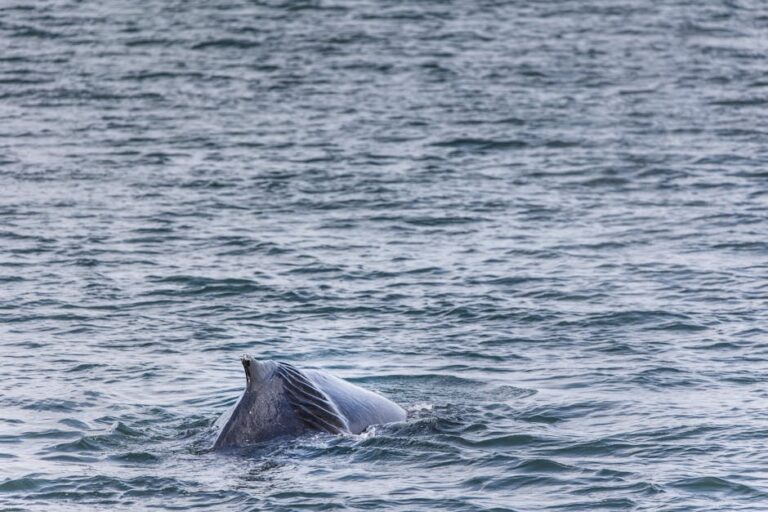
Every June, dwarf minke whales gather on the northern ribbon reefs and seek out divers. It's the only place on Earth this happens — and no one fully knows why.
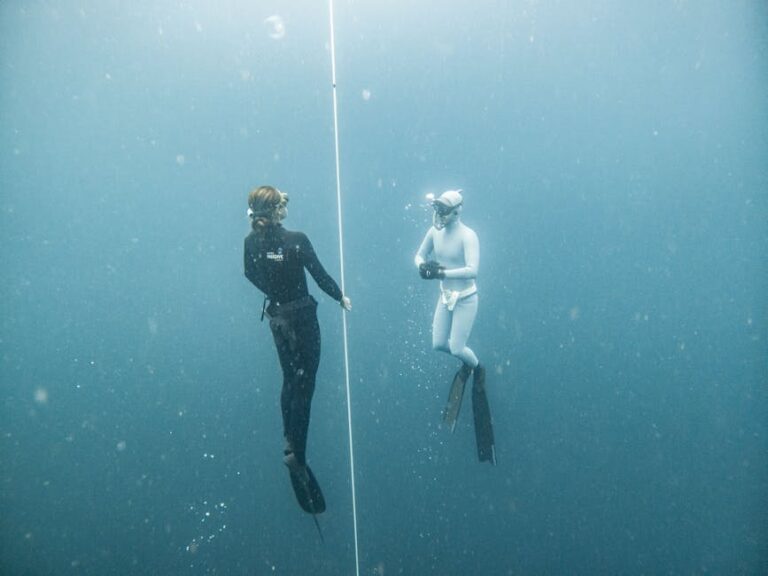
Below 40 metres, the rules change — and the reef does too. A guide to technical diving on the Great Barrier Reef's mesophotic zone.
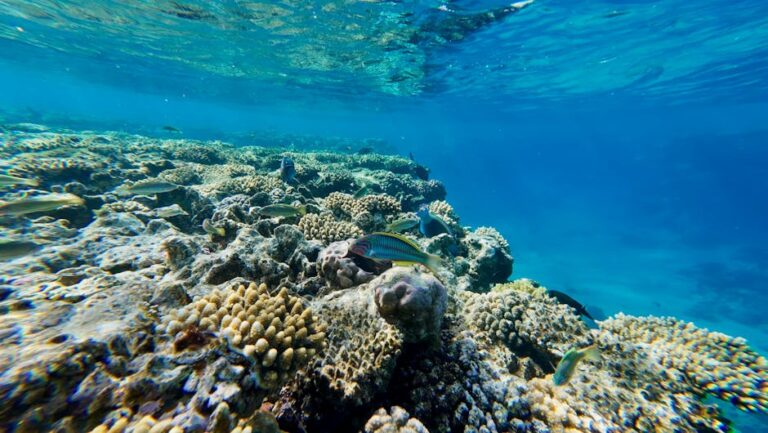
East of the ribbon reefs, the continental shelf drops into an open-ocean wilderness. Here's what it takes to reach the Coral Sea — and what you'll find when you do.
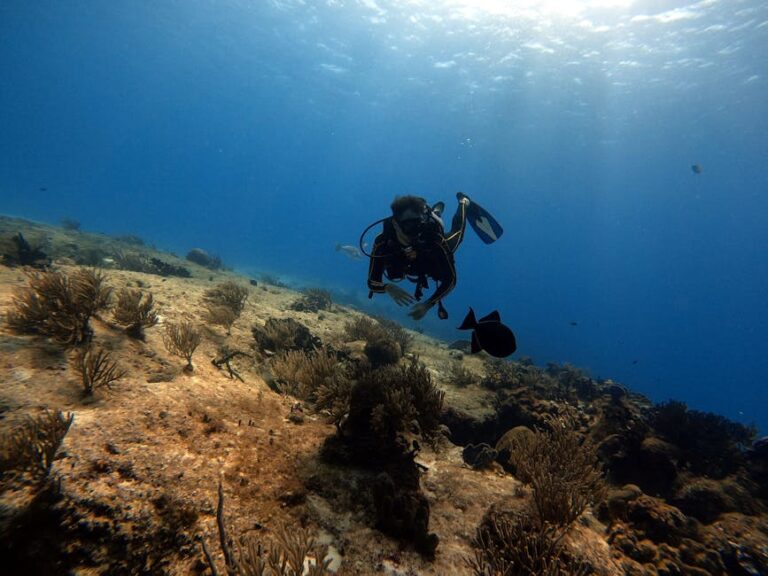
Neutral buoyancy is the foundation skill of reef diving — and the one most divers never fully master. Here's how to change that, and why it matters for the Great Barrier Reef.