Port Douglas sits on Queensland’s far north coast, about an hour’s drive from Cairns, and it’s become the de facto launching point for reef cruises heading out to the Great Barrier Reef. The town itself has a particular rhythm – quiet in the early morning, bustling by mid-morning when tour operators begin loading boats, then settling back into a slower pace by afternoon. If you’re planning a catamaran reef cruise from here, you’re looking at a specific type of experience that’s worth understanding before you commit time and money.
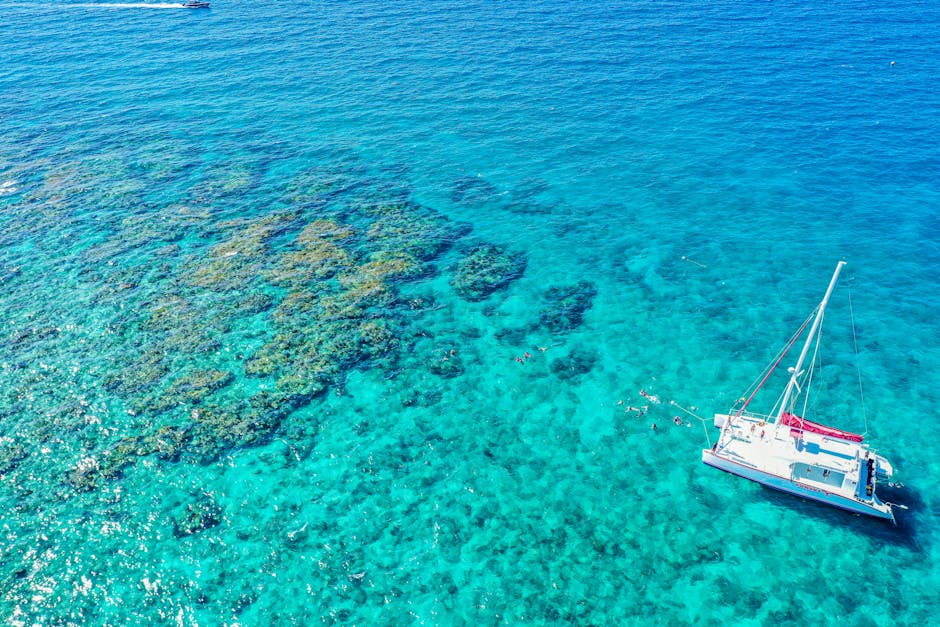
The appeal of a catamaran over a monohull or speedboat comes down to stability and comfort. A catamaran’s twin hulls mean less pitching and rolling, which matters more than you’d think when you’re spending six to eight hours on the water. The wider deck space also means you’re not packed shoulder-to-shoulder with other passengers, though during peak season – roughly June through August and school holidays – the boats do fill up. The ride itself feels smoother, especially in the first hour when you’re crossing the inner reef shelf before reaching the outer reef.
What the Reef Actually Looks Like from the Water
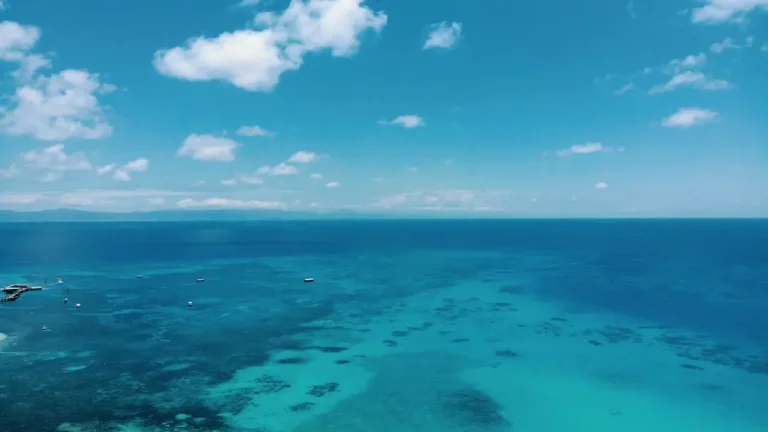
The outer reef sits roughly 40 to 50 kilometers offshore, and the journey out takes about 90 minutes depending on sea conditions. The water changes color as you move from the continental shelf toward deeper water – it shifts from murky green-brown to a clearer blue-green. This isn’t because the reef is suddenly more beautiful; it’s because you’re moving over deeper water with less sediment suspension.
When you arrive at the mooring site, the reef itself isn’t visible from deck level unless you’re leaning over the rail looking down. This catches some people off guard. The reef is underwater, sometimes 15 to 25 meters down depending on tide and location. You don’t see the famous colorful coral formations unless you get in the water or use the glass-bottom boat platform that most catamarans have. The glass-bottom experience is useful for getting a sense of what’s down there without committing to snorkeling or diving, though the view is compressed and the water clarity on any given day affects what you’ll actually see.
Water clarity varies significantly. In dry season (roughly May to October), visibility tends to be better – sometimes 20 to 30 meters on good days. During wet season (November to April), visibility drops, often to 10 to 15 meters, and the water can look greenish. This isn’t a reason to avoid wet season entirely, but it’s worth knowing. The reef is still there, the corals are still colorful, but you’re seeing it through a slightly hazier lens. Wind and recent weather also affect conditions day-to-day, so even booking a week in advance doesn’t guarantee perfect visibility.
Check real traveller reviews, prices, availability, departure points, and flexible booking options in one place.
The Snorkeling Reality
Most catamaran cruises include snorkeling time, and this is where the experience becomes personal. The operators typically give you a briefing on how to use the equipment, where you can and can’t go, and what to watch for. The actual snorkeling happens in designated areas around the mooring, not across the entire reef. You’re confined to a zone, which makes sense for safety and environmental management, but it means you’re not exploring as freely as you might imagine.
The fish are there – plenty of them. You’ll see parrotfish, butterflyfish, wrasse, and various other species. Larger animals like turtles and sharks are less common than the marketing suggests, though you might see them. The coral itself is what you’ll spend most time observing. Some of it is healthy and vibrant; some shows bleaching or damage. The reef is a working ecosystem, not a static aquarium, and it shows signs of stress in various places.
Snorkeling itself requires a baseline of comfort in water and reasonable fitness. If you’re not a confident swimmer, the experience can feel stressful rather than enjoyable. The water temperature is warm enough that you won’t get cold quickly, but the sun exposure is intense, and the salt water will fatigue you faster than you expect. Most people manage 30 to 45 minutes of actual snorkeling before needing a break. The catamaran provides shade, fresh water, and rest areas, which matters more than it sounds when you’re spending the day on the water.
Timing and the Rhythm of the Day
A typical catamaran cruise departs Port Douglas around 8:00 or 8:30 AM and returns by 5:00 PM. The first hour is the journey out. You’ll have maybe two to three hours at the reef itself, with breaks for meals and rest. The return journey takes another 90 minutes. This structure is consistent across most operators because it’s dictated by tidal windows, passenger logistics, and operational efficiency.
The best snorkeling window is usually mid-morning to early afternoon, when the sun is high and the light penetrates the water better. By late afternoon, the light angle changes and underwater visibility feels diminished. If you’re planning to dive rather than snorkel, the timing shifts slightly – many operators schedule diving in the morning to take advantage of the clearest conditions.
Seasickness is worth mentioning. The journey out to the reef is usually calm, but conditions can change. If there’s a swell running or wind picks up, the catamaran’s stability helps, but you might still feel movement. The return journey in late afternoon sometimes feels rougher than the morning departure, partly because of wind patterns and partly because you’re tired. Dramamine or ginger tablets help some people; others find they adjust after the first 30 minutes on the water.
The Practical Side of Luxury
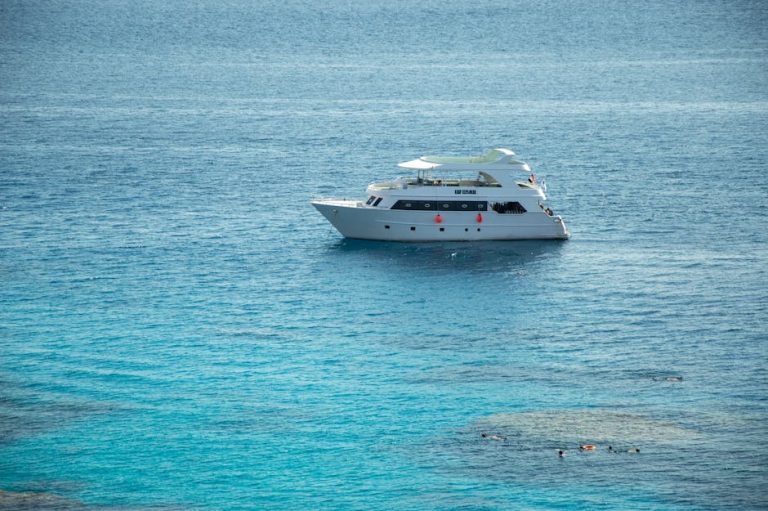
Luxury catamarans differ from standard reef cruises in several ways. The cabins are more spacious, the food is better quality, there’s more attentive service, and the passenger-to-crew ratio is higher. You’re paying for comfort and a less crowded experience. The reef itself is the same, but the journey to and from it feels different. You’re not rushing between activities or standing in queues for the bathroom.
Most luxury catamarans include lunch, snorkeling equipment, and the glass-bottom boat tour in the price. Some offer optional diving for an additional fee. Drinks are sometimes included; sometimes they’re available for purchase. It’s worth checking what’s included before booking, because the difference between an all-inclusive experience and one where you’re buying drinks and extras throughout the day affects both cost and comfort.
The crew on these boats are usually experienced. They know the reef, they understand weather patterns, and they’ve dealt with every type of passenger imaginable. They’re not there to make the experience feel like a resort – they’re there to manage logistics and keep people safe. This distinction matters because some travelers expect resort-level pampering on a boat, which isn’t realistic.
Seasonal Patterns and When to Go
Dry season (May to October) is peak season for reef cruises from Port Douglas. The weather is more predictable, the water is clearer, and the boats run on schedule more reliably. Wet season (November to April) brings occasional cyclones and more unpredictable conditions, but it’s also warmer, less crowded, and prices are lower. Neither season is bad for reef cruising; they’re just different experiences.
School holidays in Australia create predictable surges in bookings – Easter, July, and December through January. If you’re traveling during these periods, expect fuller boats and need to book further in advance. If you have flexibility, traveling in shoulder seasons like May or September gives you better conditions than peak season without the extreme crowds.
The reef itself changes subtly through the year. Coral spawning happens at specific times, usually in spring. Certain fish species are more visible during breeding seasons. These variations matter if you’re a serious snorkeler or diver, but for most casual visitors, the reef looks and feels similar year-round.
Port Douglas itself is a small town, and the catamaran industry is well-established. The operators are professional, the boats are maintained to high standards, and the experience is reliable. What you’re actually paying for is access to a living reef system and a day on the water. The luxury aspect makes the logistics smoother and the environment more comfortable, but it doesn’t fundamentally change what the reef is or how it feels. Go with realistic expectations about what you’ll see, how long you’ll be active, and what the water conditions might be on your particular day. The reef is remarkable, but it’s not a theme park – it’s a real marine ecosystem, and that’s what makes it worth the trip.
Compare top-rated tours, prices, availability, and real traveller reviews before booking. See what’s actually available for your dates and departure location.
Compare tours and check availability