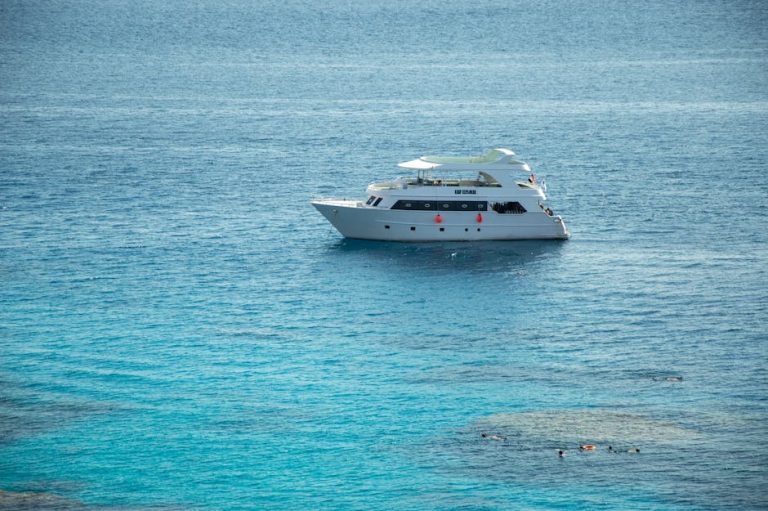
The boat ride from Bali’s southern coast to Nusa Lembongan takes somewhere between 45 minutes and two hours, depending on which operator you use and how the Badung Strait decides to behave that morning. Most people book these reef cruises thinking they’ll be stepping onto a sleek speedboat with cold towels and a welcoming smile. The reality is more textured than that. You’re standing in a crowded harbor at dawn, surrounded by dozens of other travelers, all waiting for boats that look more functional than luxurious. The air smells like diesel and salt. Crew members are checking passenger lists, adjusting life jackets that have seen better years, and moving with the practiced efficiency of people who do this every single day.
What strikes you first about these cruises isn’t the destination – it’s the crossing itself. The Badung Strait has moods. On calm days, the water sits flat and gray-blue, and the ride feels almost meditative. On rougher days, which are more common than the tourism websites suggest, the boat pitches and rolls in ways that make you understand why some travelers take seasickness medication before boarding. The spray hits the windows. Your stomach registers every swell. If you’re sitting on the upper deck for the view, you’ll be soaked within ten minutes. Most experienced travelers learn to sit inside, near the middle of the boat where the motion is least noticeable, and accept that they won’t see much of the crossing except through slightly salt-stained windows.
The Reef Experience Between Islands
Once you arrive at Nusa Lembongan, the actual reef work begins. The island sits roughly 12 kilometers southeast of Bali’s coast, and the waters around it have become a central hub for snorkeling operations. Multiple reefs surround the island – the most visited being the areas near Mangrove Point, Mushroom Bay, and the deeper waters toward Penida. The coral here is genuinely worth seeing, but you need to manage expectations about what “reef” means in this context.
The coral is recovering, not pristine. You’ll see healthy sections with decent fish life, but you’ll also see bleached patches, areas where the coral has been damaged by boat anchors or careless swimmers, and stretches where the water clarity isn’t what the brochures promised. The best visibility happens during the dry season, roughly May through September, when the water can reach 15 to 20 meters of clarity. During the wet months, especially November through March, visibility drops to 8 to 12 meters, and the water temperature feels noticeably cooler. Rain and runoff from the island affect the water quality, something that becomes obvious the moment you slip into the water.
The snorkeling itself is straightforward but crowded. Cruise operators typically take groups of 20 to 40 people to the same reef spots. If you’re on a mid-morning departure, you’ll be sharing the water with multiple other groups. The fish are accustomed to human presence – they’re neither aggressive nor particularly interested in you. You’ll see parrotfish, wrasse, surgeonfish, and the occasional small reef shark, usually a blacktip that moves away from the noise and activity. Larger marine life is rare. Sea turtles appear occasionally, but spotting one is genuinely lucky rather than routine.
Timing and the Rhythm of Crowds
The early morning boats leave Bali around 7:00 or 7:30 AM, arriving at Nusa Lembongan by 8:30 or 9:00 AM. These trips tend to be less crowded because fewer tourists want to wake up that early. The water is calmer in early morning, and you get first access to the reef before the midday boats arrive. By 10:30 AM, the reef areas are noticeably busier. The late-morning and afternoon departures from Bali bring larger groups, and the reef can feel genuinely packed.
Most cruises include two snorkeling stops, a lunch break, and sometimes a third stop or a visit to a beach area on Nusa Lembongan itself. The lunch is usually served on the boat or at a beach club – it’s functional food, designed to fill you up quickly so the group can move to the next activity. Quality varies by operator. Some provide decent grilled fish and fresh fruit. Others serve something closer to mass-produced sandwiches and canned pineapple. The time between snorkeling sessions is when fatigue starts to show. You’ve been wet, you’ve been in the sun, and your body is asking for rest rather than more activity.
What Operators Actually Offer
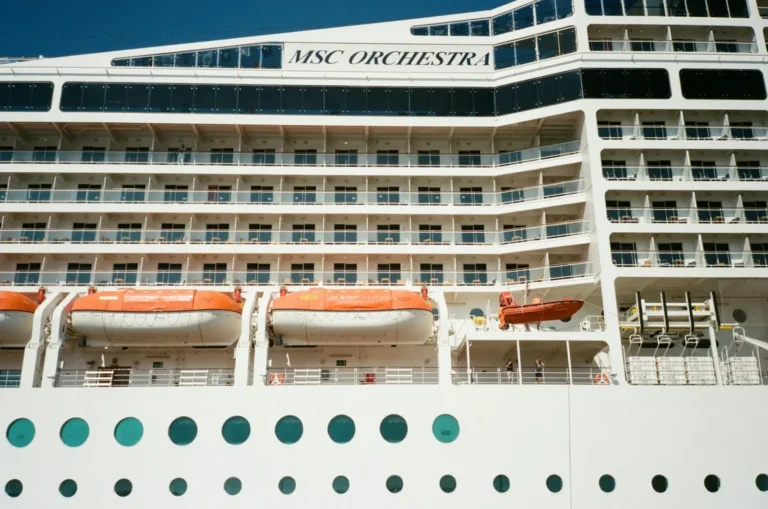
There are roughly three tiers of reef cruise operations running this route. Budget operators cram as many people as possible onto larger boats, keep costs low, and prioritize speed and efficiency. Mid-range operators offer smaller groups, slightly better food, and more time at each reef site. Premium operators provide smaller boats, more personalized attention, and access to less-trafficked reef areas, though these trips cost significantly more.
The difference between them is noticeable but not revolutionary. Even premium operators are still taking you to the same reefs that everyone else visits. The main advantage is fewer people in the water with you and a slightly more relaxed pace. If you’re prone to seasickness, the smaller boats can actually feel worse because they rock more noticeably in rough water.
Most operators include snorkeling equipment in the price, though the quality of masks and fins varies. If you have your own gear, bring it. Rental equipment is often uncomfortable or poorly maintained. Life jackets are mandatory, and the crew will insist you wear them even if you’re a confident swimmer. This is standard safety protocol, and it’s worth respecting even if it feels unnecessary.
The Island Itself
Nusa Lembongan has developed significantly over the past decade. The main settlement around Jungutbatu Beach is now a functioning tourist infrastructure with warungs, guesthouses, and dive shops. If your cruise includes time on the island, you’ll have a few hours to walk around, grab coffee, or explore the beach. The island feels less developed than Bali but more commercialized than it probably was five or ten years ago. The beaches are narrow and rocky in places. The water near the shore can be murky from runoff and local boat traffic.
Some cruises include visits to Penida or other nearby islands as part of the package. These add travel time but can offer different reef experiences and slightly less crowded snorkeling. The trade-off is more time on the boat and less time actually in the water.
The return journey to Bali mirrors the outbound crossing. You’ll be tired by then, the novelty of the boat ride has worn off, and most people spend the return journey sleeping or staring out windows. The boat arrives back at the Bali harbor by late afternoon, and you’ll need to arrange transport back to your accommodation. If you’ve booked through a hotel or tour operator, they typically handle this. If you’ve booked independently, you’ll be negotiating with taxi drivers or waiting for a shuttle.
These reef cruises work best if you approach them as a practical way to see marine life and experience the waters around Bali and Nusa Lembongan rather than as a luxury experience. The reefs are worth visiting, the snorkeling is legitimate, and the islands themselves have character. But the experience is fundamentally a group activity, shaped by logistics, crowds, and the practical constraints of moving large numbers of people safely across open water. Manage those expectations, and you’ll have a solid day on the water. Expect something more refined or exclusive, and you’ll likely feel disappointed.