There’s a particular rhythm to reef snorkeling in the Caribbean that most first-time visitors don’t anticipate. You wake early, the water is calmest and clearest, and the reef feels almost empty compared to midday. By the time you’re thinking about drinks – whether that’s a rum punch at a beach bar or a cold beer back at your accommodation – you’ve already spent three or four hours in the sun and salt water. The combination sounds romantic in theory. In practice, it requires some deliberate planning.
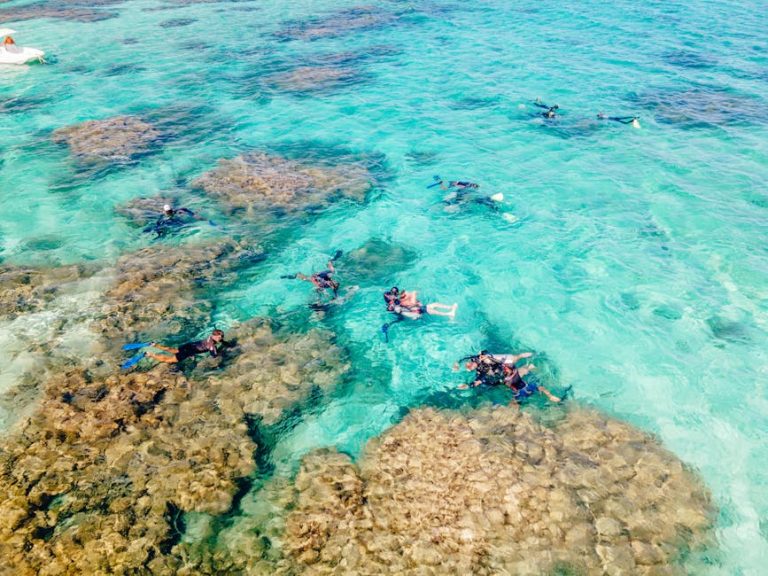
The Caribbean’s reef systems stretch across hundreds of islands, from the Bahamas down through the Lesser Antilles. Most snorkeling happens in shallow waters within a few hundred meters of shore, where coral formations and fish populations are densest. Places like Belize, the US Virgin Islands, Cozumel, and Bonaire have become popular specifically because their reefs are accessible without boats or deep diving certifications. What ties these destinations together isn’t just the marine life – it’s the local drinking culture that’s evolved around beach and water tourism.
The Physical Reality of Water Time and Alcohol
Spending four hours in the water, even at a relaxed snorkeling pace, depletes your body’s hydration reserves faster than you’d expect. The sun reflects off the water surface, intensifying UV exposure. Salt water dries your skin. Your core temperature stays regulated by the ocean, so you don’t sweat visibly, but you’re still losing fluids through respiration and minor perspiration under your wetsuit or rash guard. By the time you exit the water, your thirst is genuine, and your judgment about alcohol consumption is already compromised by dehydration and sun exposure.
This is where the Caribbean drinking culture meets practical reality. Local bars and beach shacks know exactly when snorkelers emerge – usually between 11 AM and 1 PM – and they have cold drinks ready. A painkillers (rum, pineapple juice, orange juice, nutmeg) or a dark and stormy tastes incredible when you’re overheated and thirsty. The problem is that alcohol accelerates dehydration, and the Caribbean sun doesn’t forgive poor hydration choices. Tourists who snorkel in the morning and drink heavily by early afternoon often find themselves with headaches, nausea, or worse by evening.
Timing That Actually Works
The most sustainable approach involves separating these activities more deliberately than the Instagram aesthetic suggests. Early morning snorkeling – 6:30 to 10 AM – gives you the best water conditions and the least crowded reefs. Fish are more active in cooler water. Visibility is typically superior because there’s been less boat traffic and wave action overnight. You finish while the sun is still manageable, and your body hasn’t yet hit the wall of fatigue.
After snorkeling, a shower and a solid meal matter more than most travelers admit. Fresh water rinses salt from your skin and hair. Food stabilizes your blood sugar and slows alcohol absorption. Sitting in shade for an hour or two lets your body recover. Then, in the late afternoon when the sun’s intensity drops, drinks become part of a social rhythm rather than a desperate rehydration attempt. A rum punch at 4 PM feels different from one at noon.
Some islands have adapted to this naturally. In places like Bequia or Tobago Cays, small beach bars operate on island time – they’re not necessarily open at 11 AM, but they’re lively by 4 or 5 PM. Other destinations, particularly those heavily developed for cruise ship tourism, have bars open constantly, which can actually work against your own body’s needs. The availability of drinks doesn’t mean the timing is ideal.
What Caribbean Drinks Actually Taste Like After Reef Time
There’s a difference between how a rum punch tastes when you’re properly hydrated and seated in shade versus how it tastes when you’re dehydrated and sun-drunk. The first scenario allows you to taste the actual ingredients – the citrus, the spice, the quality of the rum. The second scenario is just cold liquid hitting your throat, and you’ll drink too much of it without realizing.
Local drinks vary by island. Grenada’s spiced rum is heavier and more complex. Barbados produces lighter rums suited to punch and cocktails. Jamaica’s offerings skew toward darker, funkier profiles. The Dominican Republic and Puerto Rico have their own traditions. If you’re genuinely interested in Caribbean rum culture, you’ll want to experience it when your palate isn’t already overwhelmed by salt, sun, and exhaustion.
Many islands also have non-alcoholic drinks worth experiencing – fresh coconut water straight from the nut, tamarind juice, sorrel (a hibiscus-based drink), or simple limeade. These are what locals actually drink in volume, and they’re far more effective at rehydration than alcohol. A traveler who snorkels in the morning and drinks fresh coconut water and lime juice in the afternoon, then has a rum punch at dinner, tends to feel significantly better than one who goes straight from reef to bar.
Reef Conditions and Seasonal Patterns
Caribbean reef health varies considerably by season and location. Dry season (December to April) typically offers the calmest water and best visibility. Wet season (May to November) brings heavier rainfall, occasional rough seas, and sometimes reduced visibility from river runoff. Hurricane season overlaps with wet season, which affects both reef conditions and bar operations – some seasonal establishments close entirely.
Water temperature ranges from about 78°F in winter to 84°F in summer. Cooler water in early morning and winter months means you’ll spend less time overheating, which directly impacts how much you’ll want to drink afterward. Warmer water in summer means more aggressive sun exposure and faster dehydration. A snorkeling trip in February feels completely different from one in August, not just in comfort but in how your body responds to the combination of water time and subsequent drinking.
Some reefs are more crowded than others. Popular sites near cruise ports – particularly in places like St. Thomas or Cozumel – can feel like underwater parking lots by midday. Smaller, less-developed islands or sites accessible only by private boat tend to be quieter. A crowded reef experience is more stressful, burns more energy, and leaves you more depleted by the time you’re thinking about drinks. A peaceful reef experience, by contrast, feels restorative even after several hours in the water.
Practical Combinations That Work
The most successful reef-and-drinks experiences tend to follow a loose pattern. Snorkel early, when water conditions are best and your body is fresh. Return to your accommodation or a nearby restaurant by late morning. Eat something substantial – fresh fish, rice, plantains, whatever’s available. Drink water, coconut water, or juice. Rest in shade for a couple of hours. Around 4 or 5 PM, when the sun’s intensity drops, head to a bar or beach shack for drinks and conversation. By dinner time, you’re back to eating and drinking water again.
This rhythm respects both the reef environment and your body’s actual needs. You’re not rushing from one experience to another. You’re not forcing yourself to drink alcohol when you’re already compromised by dehydration and sun exposure. And you’re actually present for the drinks experience rather than just consuming them mechanically.
Some islands make this easier than others. Places with good infrastructure – hotels, restaurants, bars spread throughout the island – allow flexibility. Remote island destinations require more planning because your options are limited once you’re there. Bringing your own water and snacks is always worth considering, regardless of how developed the island is.
The Caribbean’s reef snorkeling and drinking culture exist in the same geography, but they don’t have to happen simultaneously. The travelers who seem most satisfied are those who experience both fully, but separately, allowing each to be what it actually is rather than forcing them into a single compressed experience.